
An Africa safari offers an opportunity to experience some of the world's most diverse landscapes and wildlife environments.
From open grasslands and vast savannas to wetlands, forests, deserts, and coastal regions, the African continent provides a remarkable variety of destinations for travelers interested in nature, wildlife, culture, and outdoor exploration.
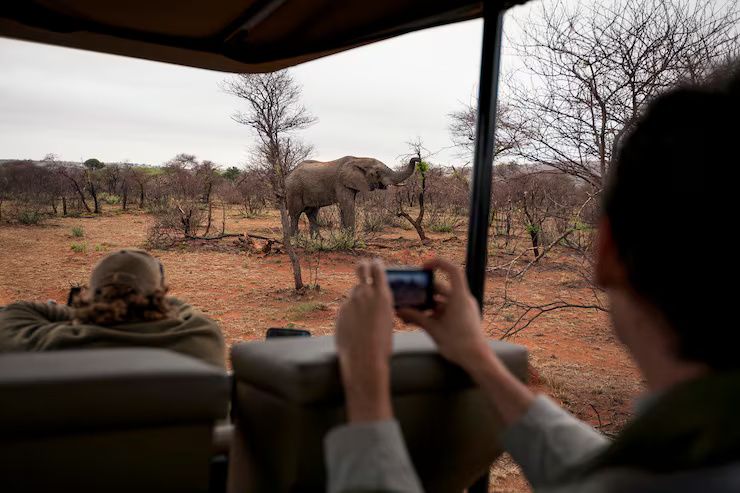
A safari is more than simply observing animals from a vehicle. Depending on the destination, visitors may experience guided wildlife drives, walking excursions, birdwatching, conservation activities, cultural encounters, photography, and carefully planned stays in natural environments. The experience can also vary significantly by season, location, accommodation style, and the type of wildlife a traveler hopes to see.
This guide explores the main safari destinations, wildlife experiences, travel styles, and planning considerations that can help travelers understand what an African safari can involve.
What Is an Africa Safari?
An Africa safari is a nature-focused travel experience centered on observing wildlife in natural or protected environments. Safaris commonly take place in national parks, private conservancies, game reserves, and other conservation areas.
Depending on the destination, travelers may explore these environments by:
- Open safari vehicle
- Guided walking excursion
- Boat or canoe
- Hot-air balloon
- Specialized wildlife vehicle
- Horseback riding in selected areas
The type of experience depends heavily on local regulations, environmental conditions, and the specific destination.
Unlike traditional sightseeing trips, safaris often emphasize patience and observation. Wildlife movements are unpredictable, so each day can bring a different experience.
Popular Safari Africa Destinations
Africa is a large continent with numerous safari regions, each offering its own landscapes, wildlife, and cultural characteristics.
Kenya
Kenya is widely associated with classic savanna landscapes and diverse wildlife. The Maasai Mara ecosystem is particularly known for large concentrations of wildlife and seasonal movements of grazing animals.
Other areas provide opportunities to observe elephants, lions, cheetahs, giraffes, zebras, and many bird species.
Kenya can be appealing to travelers seeking a combination of traditional game drives, scenic landscapes, and opportunities to learn about local communities.
Tanzania
Tanzania is another major destination for African Wildlife Safari experiences. The Serengeti is famous for its expansive grasslands and large-scale wildlife migrations.
The Ngorongoro Conservation Area offers a different environment, with a dramatic volcanic landscape supporting a wide range of wildlife.
Tanzania is often considered by travelers who want to combine extensive wildlife viewing with varied landscapes and conservation-focused experiences.
South Africa
South Africa offers a broad range of safari environments and is known for combining wildlife experiences with diverse travel opportunities.
Kruger National Park is one of the country's best-known wildlife destinations. Visitors may encounter elephants, rhinos, lions, leopards, buffalo, and numerous other species.
South Africa can also provide a convenient combination of safari experiences with coastal destinations, cities, scenic routes, and cultural attractions.
Botswana
Botswana is known for its distinctive wilderness environments, including the Okavango Delta and surrounding conservation areas.
Water-based exploration is an important feature in parts of the region, with traditional boats providing a different perspective on wildlife and landscapes.
Botswana can be particularly appealing to travelers interested in quieter wilderness settings and specialized wildlife experiences.
Namibia
Namibia offers a very different safari landscape, with desert environments, rugged mountains, and vast open spaces.
The country's wildlife destinations demonstrate how animals adapt to challenging environments. Etosha National Park is well known for wildlife viewing around water sources, while other areas offer opportunities to explore desert-adapted ecosystems.
Understanding African Wildlife Safari Experiences
Wildlife viewing is usually the central focus of a safari, but the experience varies depending on the ecosystem.
Commonly observed species may include:
- Lions
- Elephants
- Leopards
- Rhinoceroses
- Buffalo
- Giraffes
- Zebras
- Wildebeests
- Hippos
- Cheetahs
- Antelope species
- Numerous birds and reptiles
Seeing particular animals is never guaranteed because wildlife moves freely through natural environments. Experienced guides generally help visitors understand animal behavior, habitat, tracks, and environmental conditions.
This uncertainty is part of what makes a safari different from visiting a conventional wildlife attraction.
The Importance of Safari Seasons
Seasonality can significantly influence an African safari.
Dry seasons often make wildlife easier to observe because animals may gather around remaining water sources and vegetation becomes less dense. However, these periods can also be busier in some destinations.
Wet seasons can transform landscapes with fresh vegetation and increased bird activity. Some animals give birth during particular periods, creating opportunities to observe young wildlife, although conditions may be more challenging for travel.
Travelers should consider their priorities before selecting travel dates. Wildlife viewing, weather, landscape appearance, birdwatching, and seasonal migrations can all influence the ideal timing.
African Safari Holidays: Choosing a Travel Style
African Safari Holidays can be designed around different interests and levels of comfort.
Classic Safari
A traditional safari generally focuses on daily game drives through national parks or conservation areas.
This format works well for travelers who want to spend much of their time observing wildlife and exploring natural landscapes.
Walking Safari
Walking experiences provide a closer connection with the environment. Rather than focusing only on large animals, walking guides often explain plants, insects, tracks, birds, and smaller ecological details.
Walking safaris are subject to local regulations and safety requirements and are not available in every destination.
Family Safari
Family-oriented safari trips may include shorter activities, educational experiences, and accommodations designed for different age groups.
Planning should consider travel distances, activity schedules, and the needs of younger travelers.
Photography Safari
Photography-focused trips allow travelers to spend additional time observing wildlife behavior and working with guides who understand photography conditions.
Factors such as vehicle positioning, lighting, seasonal conditions, and patience can all influence photographic opportunities.
Luxury African Safari Experiences
A Luxury African Safari generally emphasizes comfort, personalized service, privacy, and carefully designed accommodation within or near wildlife areas.
Depending on the destination, travelers may stay in:
- Luxury tented camps
- Wilderness lodges
- Private-use villas
- Eco-focused camps
- Remote safari properties
Luxury does not necessarily mean the experience is centered only on accommodation. Many travelers choose this style because it allows them to combine comfortable surroundings with immersive access to nature.
Sustainability is also an important consideration. Responsible safari operators and conservation-focused properties may support habitat protection, local employment, and community initiatives.
Private Safari Africa Experiences
A Private Safari Africa itinerary typically provides greater flexibility in how daily activities are organized.
Private arrangements may allow travelers to spend more time observing a particular animal, adjust departure times, or focus on specific interests such as photography or birdwatching.
However, the quality of a private experience depends on the destination, guide expertise, conservation policies, and overall planning.
Travelers should consider whether flexibility and personalization are more important to them than joining shared activities.
Beyond Wildlife: Adventure and Cultural Experiences
Safari travel can extend beyond traditional game drives.
Depending on the location, experiences may include:
- Guided nature walks
- Birdwatching
- Canoe excursions
- Hot-air balloon flights
- Stargazing
- Photography
- Conservation education
- Cultural visits
- Scenic landscape exploration
Cultural experiences should be approached respectfully and responsibly. Travelers benefit from learning about local traditions and communities without treating cultural encounters as entertainment alone.
Responsible and Sustainable Safari Travel
Responsible tourism plays an increasingly important role in safari travel.
Travelers can support responsible practices by considering:
- Conservation policies
- Wildlife protection standards
- Community involvement
- Environmental management
- Responsible waste practices
- Respect for wildlife viewing distances
- Ethical photography practices
Visitors should avoid disturbing animals, feeding wildlife, or encouraging guides to disregard local regulations for closer encounters.
A responsible safari prioritizes the long-term health of ecosystems over short-term visitor experiences.
Planning an African Safari
Planning a safari involves several important decisions.
First, identify the primary objective. Travelers interested in large wildlife migrations may choose a different destination from those focused on desert landscapes or gorilla trekking.
Next, consider the season, travel duration, accommodation style, transportation, and activity preferences.
It is also important to review entry requirements, health recommendations, travel insurance, and local conservation regulations before departure.
Packing should generally include lightweight clothing, comfortable footwear, sun protection, binoculars, insect protection where appropriate, and camera equipment if photography is a priority.
Frequently Asked Questions
What is the best destination for an African safari?
There is no single best destination for everyone. Kenya, Tanzania, South Africa, Botswana, and Namibia each offer different ecosystems, wildlife experiences, and travel styles.
When is the best time for an African safari?
The ideal season depends on the destination and travel goals. Dry periods often provide favorable wildlife viewing, while wet seasons can offer greener landscapes, bird activity, and seasonal wildlife events.
What animals can be seen on safari?
Depending on the destination, travelers may see lions, elephants, leopards, rhinoceroses, buffalo, giraffes, zebras, cheetahs, hippos, antelope, and many bird species.
Is a private safari better than a group safari?
The choice depends on personal preferences. Private safaris generally provide greater flexibility and personalization, while shared experiences can provide a structured way to explore with other travelers.
Are African safaris suitable for families?
Yes, many destinations accommodate families, although planning should consider children's ages, activity durations, transportation, accommodation policies, and destination-specific safety guidelines.
Conclusion
An Africa safari combines wildlife observation, natural landscapes, cultural understanding, and outdoor adventure in ways that vary widely across the continent. From the grasslands of Kenya and Tanzania to the wetlands of Botswana and the desert landscapes of Namibia, each destination offers a distinct perspective on African ecosystems.
Whether travelers choose a classic African Wildlife Safari, a Luxury African Safari, or a Private Safari Africa experience, thoughtful planning can help create a meaningful journey. Considering seasonal conditions, conservation practices, local communities, and personal interests ensures that the experience is not only memorable but also respectful of the environments and people that make safari travel possible.