Agriculture has evolved significantly over the years, with modern equipment helping farmers improve efficiency, reduce manual labor, and manage crops and livestock more effectively.
From preparing the soil to harvesting mature crops, agricultural equipment plays an important role at every stage of farming. Understanding the purpose of different farm machines and implements is valuable not only for farmers but also for students, researchers, landowners, and anyone interested in agricultural practices.
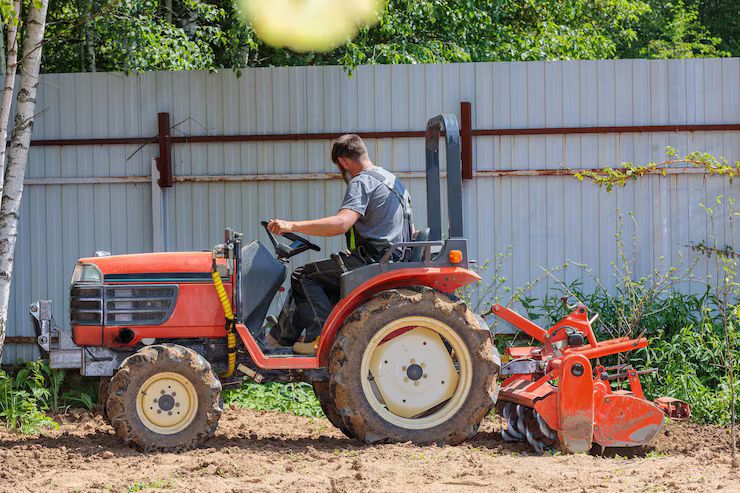
Agricultural equipment ranges from simple hand tools to sophisticated machines designed for large-scale farming. Each piece of equipment serves a specific purpose, making farming operations more organized, productive, and sustainable. Choosing the right equipment depends on factors such as farm size, crop type, soil conditions, and available resources.
This guide explains the basics of agricultural equipment, explores the most common farm machines and implements, and highlights how modern technology is shaping the future of farming.
What Is Agricultural Equipment?
Agricultural equipment refers to the machines, tools, and implements used to perform various farming activities. These include land preparation, planting, irrigation, crop maintenance, harvesting, transportation, and livestock management.
Some equipment is powered by engines or motors, while other implements are attached to larger machines such as tractors. Together, they help improve efficiency, reduce physical effort, and support consistent farming practices.
Agricultural equipment is used in many types of farming, including:
- Crop farming
- Fruit cultivation
- Vegetable production
- Dairy farming
- Livestock farming
- Mixed farming
- Organic agriculture
- Commercial agriculture
Each farming system relies on equipment suited to its specific needs and operational scale.
Why Agricultural Equipment Is Important
Modern agriculture depends on equipment to improve productivity while making farm operations more manageable.
The use of appropriate farm machinery can help:
- Reduce manual labor
- Improve operational efficiency
- Increase planting accuracy
- Support timely harvesting
- Enhance soil preparation
- Improve irrigation management
- Reduce crop losses
- Promote better resource utilization
Although traditional farming methods remain valuable in many regions, agricultural equipment enables farms to meet growing food demands more effectively.
Main Categories of Farm Equipment
Agricultural equipment can be grouped according to the stage of farming in which it is used.
Land Preparation Equipment
Preparing the soil is one of the first steps before planting.
Common equipment includes:
- Tractors
- Plows
- Harrows
- Cultivators
- Rotary tillers
- Land levelers
These machines loosen soil, remove weeds, improve aeration, and create suitable planting conditions.
Planting Equipment
Once the soil is prepared, planting equipment helps place seeds at appropriate depths and spacing.
Examples include:
- Seed drills
- Planters
- Transplanters
- Precision seeders
Accurate planting supports healthier crop development and more uniform growth.
Crop Care Equipment
Growing crops require ongoing maintenance throughout the season.
Typical crop management equipment includes:
- Sprayers
- Fertilizer spreaders
- Irrigation systems
- Weed control implements
- Pruning equipment
These tools help maintain crop health while supporting efficient field management.
Harvesting Equipment
Harvesting equipment is designed to collect mature crops efficiently while minimizing losses.
Examples include:
- Combine harvesters
- Reapers
- Forage harvesters
- Potato harvesters
- Sugarcane harvesters
The choice of harvesting equipment depends on the crop being grown and field conditions.
Transportation Equipment
After harvesting, agricultural products often need to be moved for storage, processing, or distribution.
Common transportation equipment includes:
- Farm trailers
- Utility wagons
- Grain carts
- Loader attachments
Efficient transportation supports smooth farm operations and reduces handling time.
Understanding Tractors: The Core Farm Machine
Among all agricultural equipment, the tractor is often considered the central machine on many farms.
Modern tractors provide the power needed to operate numerous farm implements and perform a wide range of tasks.
Common tractor applications include:
- Soil preparation
- Pulling implements
- Planting
- Mowing
- Transporting materials
- Operating loaders
- Field maintenance
Many implements connect to tractors using standardized attachment systems, allowing one machine to perform multiple functions throughout the farming season.
Common Agricultural Implements
Implements differ from machines because they usually require another power source, such as a tractor, to operate.
Some widely used agricultural implements include:
| Implement | Primary Function | Typical Use |
|---|---|---|
| Plow | Turns and loosens soil | Field preparation |
| Harrow | Breaks soil clumps | Seedbed preparation |
| Cultivator | Controls weeds and loosens soil | Crop maintenance |
| Seed Drill | Places seeds evenly | Planting |
| Sprayer | Applies crop protection products | Crop care |
| Fertilizer Spreader | Distributes nutrients | Soil fertility management |
| Rotary Tiller | Mixes and prepares soil | Garden and field preparation |
Each implement contributes to improving farming efficiency while supporting healthy crop growth.
Equipment Used in Livestock Farming
Agricultural equipment is not limited to crop production.
Livestock operations commonly use equipment such as:
- Feed mixers
- Water supply systems
- Milking equipment
- Manure handling systems
- Livestock trailers
- Feeding machines
- Ventilation equipment
These systems help improve animal care, farm hygiene, and daily management activities.
Precision Agriculture and Modern Technology
Technology has transformed modern farming through precision agriculture.
Precision agriculture uses digital tools to monitor and manage farming operations more accurately.
Examples include:
- GPS-guided tractors
- Drone field monitoring
- Soil sensors
- Automated irrigation systems
- Weather monitoring stations
- Yield mapping software
- Satellite imagery
These technologies allow farmers to make informed decisions based on field conditions rather than applying the same practices across entire farms.
The result is often more efficient use of water, fertilizer, and other agricultural resources.
Choosing the Right Agricultural Equipment
Selecting suitable equipment depends on several practical considerations.
Farm Size
Small farms may require compact machinery, while larger operations often benefit from higher-capacity equipment.
Crop Type
Different crops require specialized planting, maintenance, and harvesting equipment.
Soil Conditions
Soil texture, moisture levels, and field topography influence equipment performance and selection.
Terrain
Flat fields and sloped landscapes may require different machinery for safe and efficient operation.
Maintenance Requirements
Regular maintenance supports reliable equipment performance and extends machine lifespan.
Choosing equipment that matches available maintenance capabilities helps ensure long-term usability.
Maintenance Basics for Farm Equipment
Routine maintenance plays a significant role in keeping agricultural equipment operating safely and efficiently.
Basic maintenance practices include:
- Cleaning equipment after use
- Inspecting moving parts
- Checking fluid levels
- Lubricating components
- Replacing worn parts
- Monitoring tire condition
- Storing equipment properly during off-seasons
Preventive maintenance reduces unexpected downtime and supports consistent field operations.
Safety Considerations When Using Farm Machinery
Operating agricultural machinery requires attention to safety.
Important safety practices include:
- Reading operating instructions
- Wearing appropriate protective clothing
- Performing equipment inspections before use
- Keeping bystanders away from operating machinery
- Using proper attachment procedures
- Avoiding distractions during operation
- Following manufacturer safety guidelines
Training and responsible equipment use help reduce the risk of accidents while supporting efficient farming activities.
Emerging Trends in Agricultural Equipment
Agricultural machinery continues to evolve alongside advances in engineering and digital technology.
Some current developments include:
- Autonomous farming equipment
- Electric agricultural machinery
- Artificial intelligence-assisted field management
- Smart irrigation systems
- Data-driven crop monitoring
- Lightweight equipment materials
- Remote equipment diagnostics
- Automated harvesting technologies
These innovations aim to improve productivity while supporting more sustainable farming practices.
Common Challenges in Farm Equipment Management
Despite ongoing technological improvements, farmers continue to face equipment-related challenges.
These may include:
- Seasonal maintenance demands
- Variable weather conditions
- Equipment compatibility
- Operator training requirements
- Field accessibility
- Storage considerations
Careful planning and routine maintenance help address many of these challenges while improving overall farm efficiency.
Frequently Asked Questions
What is agricultural equipment?
Agricultural equipment includes machines, tools, and implements used for land preparation, planting, crop management, harvesting, transportation, and livestock farming.
What is the difference between farm machinery and farm implements?
Farm machinery generally refers to powered equipment such as tractors and harvesters, while farm implements are attachments or tools that work with larger machines to perform specific tasks.
Why are tractors considered important on farms?
Tractors provide the power needed for multiple farming activities, including pulling implements, preparing fields, planting crops, transporting materials, and supporting daily farm operations.
How does modern technology improve agricultural equipment?
Modern technology introduces GPS guidance, sensors, automation, precision agriculture, and digital monitoring systems that help farmers manage resources more efficiently and make informed decisions.
How can proper maintenance improve farm equipment performance?
Regular cleaning, inspections, lubrication, timely repairs, and correct storage help extend equipment life, improve reliability, reduce downtime, and maintain safe operation.
Conclusion
Agricultural equipment forms the foundation of modern farming by supporting every stage of agricultural production, from soil preparation and planting to harvesting and transportation. Whether using tractors, implements, irrigation systems, or harvesting machinery, each piece of equipment contributes to improving efficiency, reducing manual labor, and helping farmers manage their operations more effectively.
As agriculture continues to embrace innovation, precision technologies, automation, and smart farming tools are expanding the capabilities of traditional farm equipment. Understanding the basics of agricultural machinery and implements provides valuable knowledge for anyone interested in farming, agricultural education, or the future of food production. By selecting suitable equipment, maintaining it properly, and applying it responsibly, farms can continue to improve productivity while supporting sustainable agricultural practices.