Amethyst jewellery refers to jewellery pieces that use amethyst, a purple variety of quartz, as a central or decorative gemstone.
Its colour can range from very light lavender to deeper purple, depending on the stone's characteristics and geological formation. Amethyst is commonly used in rings, earrings, pendants, necklaces, bracelets and other decorative jewellery.
Amethyst has been used as a gemstone for centuries. Historical examples have been found in jewellery and decorative objects from several ancient civilizations. Today, it remains popular because of its distinctive purple colour, availability in different sizes and cuts, and association with February as a traditional birthstone.
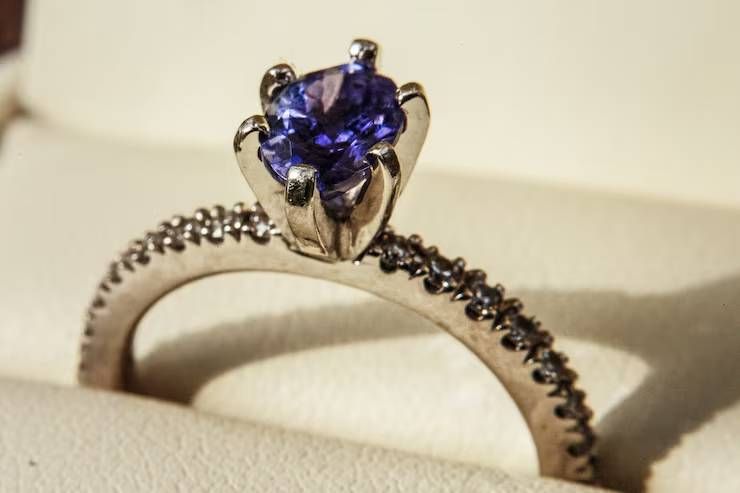
The gemstone is composed primarily of silicon dioxide, like other forms of quartz. Small amounts of iron and natural irradiation are associated with the development of its purple colour. Heat treatment may also be used in the gemstone industry to modify or enhance colour in certain materials.
When assessing amethyst jewellery, several characteristics can be considered:
- Colour: Purple intensity, tone and evenness are important visual characteristics.
- Clarity: Transparent stones with fewer visible inclusions are generally more visually appealing.
- Cut: The cut influences how the gemstone reflects and distributes light.
- Carat weight: This describes the weight of the gemstone rather than its physical dimensions.
- Setting: Gold, silver and other jewellery metals can affect the appearance of the finished piece.
Why Amethyst Jewellery Matters
Amethyst jewellery occupies a distinct place within the coloured gemstone market. It combines the decorative qualities of jewellery with the geological characteristics of a natural mineral.
The gemstone is relevant to consumers interested in birthstone jewellery, coloured gemstones, traditional jewellery, fashion accessories and gemstone collecting. February birthstone jewellery is one area where amethyst has particular cultural relevance.
It is also useful to understand the difference between gemstone properties and traditional beliefs. Amethyst has historically been associated with ideas such as calmness and protection in different cultures. These are cultural or traditional associations rather than established medical effects.
For jewellery professionals, collectors and general consumers, knowledge of gemstone characteristics can help with identification and informed evaluation. Important considerations include whether a stone is natural, synthetic, treated or imitation material.
| Characteristic | What to Examine |
|---|---|
| Colour | Purple hue, saturation and consistency |
| Clarity | Transparency and visible inclusions |
| Cut | Proportion, symmetry and light reflection |
| Weight | Gemstone carat weight |
| Treatment | Whether heat or other treatments are disclosed |
| Setting | Metal type and construction |
| Documentation | Laboratory identification where appropriate |
Recent Trends and Developments
Amethyst continues to appear in contemporary coloured-gemstone jewellery, particularly in designs that emphasise purple tones, distinctive cuts and individual gemstones.
One broader development in the jewellery industry has been increased attention to gemstone disclosure and supply-chain transparency. Consumers and industry participants increasingly seek information about gemstone origin, treatment and material identification.
Digital tools have also changed how gemstones are researched. Online gemstone databases, laboratory information and educational resources allow people to compare mineral characteristics without relying only on physical reference books.
Another trend is the use of unconventional gemstone cuts and contemporary jewellery designs. Amethyst is suitable for a variety of cuts because quartz can be fashioned into shapes ranging from traditional ovals and rounds to more decorative designs.
Colour remains an important factor. Deep purple stones can attract attention, while lighter lavender amethyst can create a softer appearance. Different jewellery settings can also change how the colour is perceived.
Laws, Standards and Policies in India
Amethyst jewellery in India is affected by general consumer-protection, precious-metal hallmarking and product-disclosure requirements. The exact rules depend on the material, product category and transaction.
The Bureau of Indian Standards (BIS) administers India's hallmarking framework for precious-metal articles. BIS hallmarking is particularly relevant to gold and silver jewellery when the applicable requirements apply. Hallmarking should not be confused with certification of the amethyst gemstone itself.
For gemstones, documentation can be important when characteristics such as natural origin, treatment or identification are material to a transaction. Gemological laboratories may issue reports identifying a gemstone and describing relevant characteristics.
The Consumer Protection Act, 2019 provides a broader legal framework concerning consumer rights and misleading commercial practices. Jewellery descriptions should therefore be accurate and should not make unsupported claims about gemstone properties.
When researching amethyst jewellery in India, useful points include:
- Check applicable BIS requirements for precious-metal jewellery.
- Review metal purity and hallmark information where applicable.
- Look for clear disclosure of gemstone treatments when relevant.
- Distinguish natural gemstones from synthetic or imitation materials.
- Be cautious of unsupported health or therapeutic claims.
- Keep laboratory documentation when gemstone identification is important.
Tools and Resources for Amethyst Research
Several resources can help readers understand amethyst and coloured gemstones more accurately.
- Bureau of Indian Standards (BIS): Useful for information about Indian standards and hallmarking requirements.
- Gemological Institute of America (GIA): Provides educational material about gemstones, identification and gemological characteristics.
- International Gemological Institute (IGI): Provides gemstone and jewellery-related educational and laboratory information.
- Mineralogical databases: Useful for researching quartz, mineral composition and geological characteristics.
- Jewellery care guides: Helpful for learning appropriate cleaning, storage and handling practices.
- Gemstone identification reports: Laboratory reports can be useful when independent identification is important.
For basic comparison, a gemstone reference table can be useful:
| Factor | Basic Question |
|---|---|
| Origin | Is the geological source documented? |
| Material | Is it natural, synthetic or imitation? |
| Treatment | Has the gemstone been treated? |
| Colour | Is the colour consistent and attractive? |
| Clarity | Are inclusions visible? |
| Durability | Is the gemstone appropriate for the intended jewellery type? |
| Documentation | Is a laboratory report available when needed? |
Caring for Amethyst Jewellery
Amethyst has a Mohs hardness of approximately 7, which gives it reasonable durability for jewellery. However, hardness does not mean that the gemstone is impossible to scratch or damage.
Basic care can help preserve its appearance:
- Store amethyst jewellery separately from harder gemstones.
- Avoid exposing it unnecessarily to strong heat or sudden temperature changes.
- Use mild soap, lukewarm water and a soft cloth for routine cleaning.
- Avoid harsh chemicals and abrasive cleaning materials.
- Check jewellery settings periodically for loose stones.
- Keep pieces in a dry, protected storage area when they are not being worn.
Ultrasonic or steam cleaning should be approached carefully, particularly when the gemstone has treatments, fractures or a setting that requires specialist handling.
Frequently Asked Questions
What is amethyst?
Amethyst is a purple variety of quartz. Its colour is generally associated with trace amounts of iron and natural irradiation, and it can range from pale lavender to deeper purple.
Is amethyst a birthstone?
Yes. Amethyst is traditionally recognised as the birthstone for February in widely used modern birthstone lists.
How durable is amethyst jewellery?
Amethyst has a Mohs hardness of about 7, making it reasonably suitable for jewellery. Nevertheless, it can still be scratched, chipped or damaged through impact and improper handling.
Can amethyst be treated?
Yes. Some amethyst and related quartz materials may undergo treatments that alter or enhance colour. Treatment information can be relevant when evaluating a gemstone, so appropriate disclosure and documentation are important.
Can amethyst jewellery be cleaned at home?
Routine cleaning can generally be done with lukewarm water, mild soap and a soft cloth. Harsh chemicals, abrasive materials and excessive heat should be avoided.
Conclusion
Amethyst jewellery combines the natural characteristics of quartz with the decorative possibilities of modern jewellery design. Its purple colour, historical significance and status as the February birthstone have helped maintain its popularity across different jewellery styles.
Understanding colour, clarity, cut, treatments, durability and gemstone identification can make information about amethyst easier to evaluate. In India, awareness of applicable hallmarking, consumer-protection and disclosure requirements is also important, particularly when precious metals and gemstone documentation are involved.
As jewellery research becomes increasingly digital, consumers and industry professionals have access to more educational resources and gemological information. Reliable laboratory information, recognised standards and careful gemstone terminology can help support a clearer understanding of amethyst jewellery without relying on unsupported claims.