Bioreactor automation has become an essential part of modern bioprocessing, supporting consistent production across pharmaceutical, biotechnology, food, and industrial research environments. As biological manufacturing grows more sophisticated, maintaining stable operating conditions has become increasingly important for product quality and process reliability.
Modern bioreactors operate under carefully controlled conditions where even small changes in temperature, pH, dissolved oxygen, or nutrient availability can influence biological performance. Automated control systems help maintain these parameters within defined operating ranges while reducing the need for continuous manual intervention.
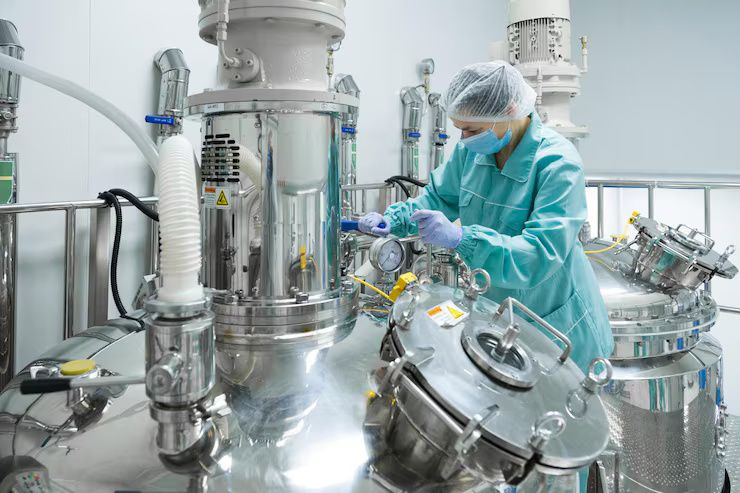
Understanding how automation contributes to process stability provides valuable insight into the technologies that support efficient biological production. From advanced sensors to intelligent control software, every component works together to create a stable and repeatable manufacturing environment.
Why Process Stability Matters in Bioreactors
Biological systems respond continuously to their surrounding environment. Unlike many purely mechanical processes, microorganisms and cultured cells require carefully balanced conditions throughout every stage of cultivation.
Variations in environmental parameters may affect cell growth, metabolic activity, product yield, or overall process consistency. Stable operating conditions therefore help manufacturers maintain predictable production while reducing process variability.
Automation minimizes sudden fluctuations by continuously monitoring critical process variables and making rapid adjustments whenever operating conditions begin moving outside acceptable limits.
Core Components of a Bioreactor Automation System
A modern automation system combines measurement devices, control hardware, software platforms, and communication technologies into a coordinated operating environment.
Key components commonly include:
- Process sensors
- Industrial controllers
- Human-machine interfaces
- Automated control valves
- Variable-speed pumps
- Data acquisition systems
- Alarm management systems
- Supervisory software
- Communication networks
Each component contributes to maintaining accurate process control while providing operators with continuous visibility into system performance.
Process Variables That Require Continuous Control
Several operating parameters directly influence biological activity inside a bioreactor. Automation systems continuously monitor these variables to maintain stable cultivation conditions.
Temperature Control
Temperature affects enzyme activity, cellular metabolism, and microbial growth. Heating and cooling systems automatically regulate reactor temperature using feedback from precision sensors, allowing biological processes to operate within defined limits.
pH Regulation
Maintaining proper pH supports healthy biological activity throughout cultivation. Automated systems monitor pH values continuously and adjust acid or base addition when required, helping prevent unwanted changes that could affect process performance.
Dissolved Oxygen
Oxygen availability is essential for many aerobic biological processes. Automation regulates dissolved oxygen by coordinating agitation speed, airflow, oxygen supplementation, and gas distribution systems according to real-time measurements.
Agitation and Mixing
Mixing ensures nutrients, gases, and microorganisms remain evenly distributed throughout the reactor. Automated control adjusts impeller speed to maintain efficient mass transfer while minimizing excessive mechanical stress on sensitive biological cultures.
Sensors Drive Intelligent Process Control
Reliable automation depends on accurate measurement. Modern bioreactors use numerous sensors that continuously collect information from the cultivation environment.
Temperature probes, pH electrodes, dissolved oxygen sensors, pressure transmitters, flow meters, and liquid level sensors provide continuous feedback throughout the production cycle.
Advanced analytical technologies can also monitor biomass concentration, nutrient consumption, gas composition, and additional process characteristics. These measurements enable automation systems to make informed control decisions based on actual operating conditions rather than fixed assumptions.
Accurate sensor calibration and regular maintenance remain essential for dependable system performance and long-term process consistency.
Control Systems Improve Operational Consistency
Industrial control systems coordinate every automated function within the bioreactor.
Programmable controllers receive information from field instruments, compare measurements with target values, and calculate appropriate corrective actions. Control algorithms continuously regulate pumps, valves, mixers, heating systems, and gas flow equipment.
More advanced facilities may incorporate supervisory software that manages multiple bioreactors simultaneously while providing centralized monitoring, process visualization, historical data collection, and alarm management.
This coordinated approach reduces operator workload while improving process repeatability across multiple production batches.
Data Collection Supports Better Process Understanding
Automation generates large volumes of operational information throughout every production run.
Historical process data helps engineers evaluate equipment performance, identify trends, investigate deviations, and optimize operating conditions. Rather than relying solely on manual observations, production teams can analyze continuous datasets covering every stage of cultivation.
Digital records also support documentation requirements by providing detailed operational histories that demonstrate process consistency and equipment performance over time.
As manufacturing facilities adopt more connected technologies, data analysis continues playing a larger role in improving overall process efficiency.
Automation and Regulatory Expectations
Industries such as biopharmaceutical manufacturing operate under strict quality and documentation requirements. Automated systems support compliance by improving consistency, reducing manual recording errors, and maintaining comprehensive electronic process records.
Well-designed automation platforms typically include user authentication, audit trails, electronic data storage, alarm logging, and controlled access to operational settings. These features help organizations maintain documented process control while supporting quality management practices.
Automation does not replace operational oversight, but it provides structured tools that improve process transparency and repeatability.
Emerging Developments in Bioreactor Automation
Bioreactor automation continues advancing as digital technologies become more sophisticated.
Artificial intelligence, predictive analytics, and machine learning are increasingly being evaluated for their ability to identify process patterns, optimize operating conditions, and anticipate equipment maintenance needs before failures occur.
Cloud-connected monitoring systems also enable remote supervision of production activities, allowing authorized personnel to review process performance without remaining physically present at manufacturing facilities.
Digital twins and advanced simulation technologies further support process development by allowing engineers to evaluate operational changes before implementing them in production environments.
Conclusion
Bioreactor automation has become a fundamental element of modern biological manufacturing by providing continuous monitoring, intelligent process control, and improved operational consistency. Through the integration of sensors, automated controllers, data management systems, and advanced software, manufacturers can maintain stable cultivation environments that support reliable biological performance.
As automation technologies continue evolving, future bioprocessing facilities are likely to benefit from even greater levels of process intelligence, predictive control, and operational efficiency. A thorough understanding of these systems helps illustrate how modern control technologies contribute to stable, repeatable, and high-quality biological production across a wide range of industrial applications.