Botox cosmetic treatments have become one of the most widely recognized non-surgical aesthetic procedures for reducing the appearance of facial wrinkles. Many people choose these treatments to soften expression lines while maintaining a refreshed and natural appearance without undergoing invasive surgery.
Growing interest in minimally invasive cosmetic procedures has contributed to the popularity of Botox across a wide range of age groups. Improvements in injection techniques and treatment planning have also helped practitioners achieve subtle results that complement individual facial features rather than dramatically changing them.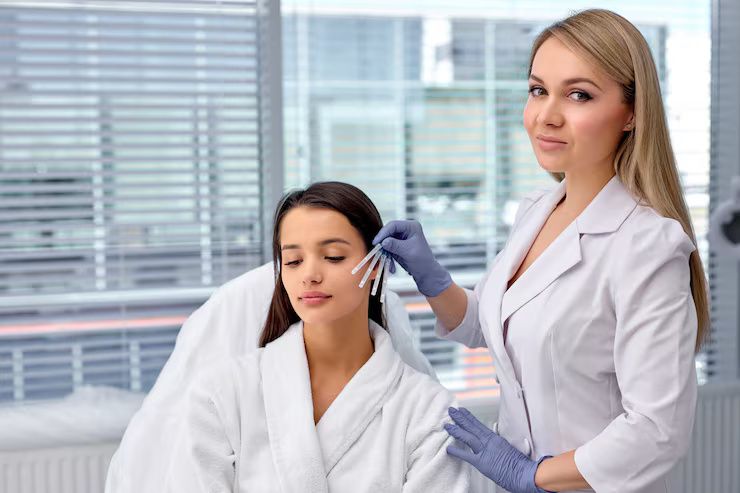
Understanding how Botox works, who may benefit from treatment, and what to expect during the process can help individuals make informed decisions while maintaining realistic expectations about potential outcomes.
How Botox Cosmetic Treatments Work
Botox is a purified form of botulinum toxin type A that temporarily relaxes specific facial muscles responsible for creating dynamic wrinkles. These expression lines develop over time through repeated muscle movements such as smiling, frowning, squinting, and raising the eyebrows.
When carefully injected into targeted muscles, Botox reduces their activity without affecting surrounding tissues. As muscle contractions decrease, the overlying skin gradually appears smoother and facial lines become less noticeable.
The treatment affects only selected muscles, allowing many normal facial expressions to remain intact when administered by a qualified healthcare professional using appropriate techniques.
Common Treatment Areas
Botox is commonly used to soften facial lines that become more visible during expression.
Frequently treated areas include:
- Horizontal forehead lines
- Frown lines between the eyebrows
- Crow's feet around the eyes
- Bunny lines on the nose
- Chin dimpling
- Neck bands in selected cases
- Brow lift enhancement through strategic muscle relaxation
Treatment plans vary according to facial anatomy, muscle strength, skin condition, and individual aesthetic goals rather than following a standard approach for every patient.
What to Expect During the Procedure
Botox treatment is typically performed in an outpatient clinical setting and usually requires only a short appointment.
Before treatment, the practitioner evaluates facial movement, discusses medical history, reviews treatment objectives, and identifies appropriate injection sites. This assessment helps create a personalized treatment plan based on individual facial characteristics.
The injections themselves are performed using very fine needles. Most people experience only mild discomfort, and anesthesia is generally unnecessary. Once the procedure is complete, patients can usually return to most normal daily activities shortly afterward, while following any aftercare instructions provided by their healthcare professional.
When Results Become Noticeable
Botox does not produce immediate changes. The treated muscles gradually relax over several days, allowing facial lines to soften progressively.
Many individuals begin noticing visible improvement within a few days, while the full cosmetic effect typically develops within approximately two weeks. Results gradually diminish over time as nerve activity naturally returns to the treated muscles.
Because Botox provides temporary effects, maintenance treatments may be considered for individuals who wish to continue reducing the appearance of dynamic facial wrinkles.
Factors That Influence Treatment Results
The quality of Botox outcomes depends on several factors beyond the product itself.
Important considerations include:
- Individual facial anatomy
- Muscle strength
- Skin elasticity
- Injection technique
- Appropriate dosage
- Treatment planning
- Experience of the healthcare provider
- Overall skin health
A personalized treatment strategy generally produces more balanced and natural-looking results than applying identical injection patterns to every individual.
Safety Considerations
Botox has been extensively studied and is widely used for both cosmetic and medical purposes when administered appropriately.
Most side effects are temporary and relatively mild. Some individuals may experience slight redness, swelling, tenderness, or bruising at the injection site shortly after treatment. These effects typically resolve within a few days.
Although uncommon, more significant complications may occur if injections affect unintended muscles. For this reason, treatment should be performed by qualified healthcare professionals with appropriate knowledge of facial anatomy and injection techniques.
Individuals should disclose their complete medical history, current medications, allergies, pregnancy status, and existing neurological conditions before receiving treatment.
Botox as Part of a Broader Skin Care Strategy
Botox primarily addresses wrinkles caused by repeated muscle movement. It does not directly improve skin texture, pigmentation, sun damage, or loss of facial volume.
Many comprehensive aesthetic treatment plans combine Botox with healthy skin care habits and other non-surgical procedures when appropriate. Daily sun protection, proper hydration, gentle cleansing, and consistent skincare routines contribute to maintaining healthier-looking skin over time.
Lifestyle factors such as adequate sleep, balanced nutrition, and avoiding excessive sun exposure also support overall skin appearance and may complement cosmetic treatments.
Choosing a Qualified Provider
Selecting an experienced medical professional is one of the most important decisions when considering Botox treatment.
Qualified providers evaluate facial anatomy carefully, explain realistic expectations, discuss potential risks, and recommend treatment only when appropriate. They also understand how to preserve natural facial movement while reducing unwanted expression lines.
During a consultation, patients should feel comfortable asking questions about the provider's training, treatment approach, expected outcomes, aftercare recommendations, and follow-up procedures.
Frequently Asked Questions
Will Botox make my face look unnatural?
When administered appropriately and in suitable amounts, Botox is intended to soften facial lines while preserving natural facial expressions.
How long do Botox results usually last?
Results are temporary and gradually decrease over time. Individual duration varies depending on several personal factors, including muscle activity and treatment area.
Is there a recommended age to begin Botox?
There is no universal age requirement. Treatment decisions are based on individual facial characteristics, aesthetic goals, and professional medical evaluation rather than age alone.
Can Botox prevent future wrinkles?
Reducing repeated muscle movement may help slow the formation of certain dynamic expression lines, although it does not prevent all aspects of the natural aging process.
Conclusion
Botox cosmetic treatments provide a non-surgical option for reducing the appearance of dynamic facial wrinkles by temporarily relaxing targeted muscles. When performed by qualified healthcare professionals and combined with realistic expectations, personalized treatment planning, and healthy skincare practices, Botox can contribute to a smoother, more refreshed appearance while maintaining natural facial expression. Understanding the procedure, potential benefits, safety considerations, and appropriate aftercare allows individuals to make informed decisions that align with their personal aesthetic goals.