Camper travel combines transportation and accommodation into one flexible way of exploring different destinations.
Instead of moving between hotels or other fixed accommodations, travelers can use a camper to carry their essentials, prepare meals, rest, and move between locations according to their itinerary.
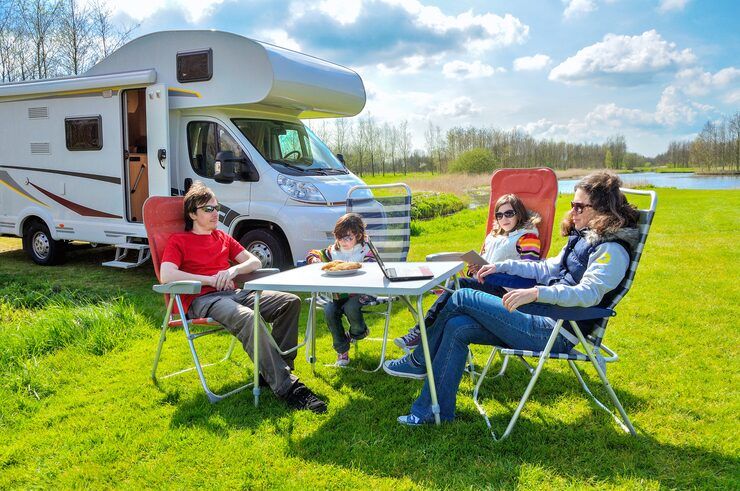
The appeal of camper travel comes from flexibility, outdoor experiences, and the ability to spend more time in places that may be away from major urban centers. However, a successful camper journey requires more than choosing a vehicle and selecting a destination. Vehicle size, driving conditions, campsite availability, weather, route planning, safety, and daily routines all influence the experience.
This guide explains the main types of camper vehicles, how to choose destinations, what to consider when planning a journey, and how to make travel more comfortable and organized.
What Is Camper Travel?
Camper travel refers to journeys made using vehicles designed or adapted for temporary living and travel. Depending on the vehicle, travelers may have access to sleeping areas, cooking facilities, storage, water systems, electricity, and other basic amenities.
Camper travel can range from short weekend trips to extended road journeys. Some travelers prefer established campsites with facilities, while others seek quieter locations where overnight vehicle stays are legally permitted.
The key difference from conventional road travel is that the vehicle becomes part of the travel experience rather than simply being transportation between destinations.
Understanding Different Camper Vehicles
Camper vehicles vary considerably in size, layout, driving characteristics, and onboard facilities. Understanding these differences is an important first step in travel planning.
Camper Vans
Camper vans are typically compact and easier to maneuver than larger recreational vehicles. Their smaller dimensions can make them practical for urban areas, narrow roads, and short trips.
Layouts commonly include a sleeping area, compact kitchen, storage, and basic electrical systems.
Motorhomes
Motorhomes provide more interior living space and may include separate sleeping, dining, cooking, and bathroom areas.
Larger motorhomes can provide greater comfort for extended journeys but require more attention to road width, parking restrictions, turning space, and campsite access.
Converted Vehicles
Some travelers use professionally converted vans or other suitable vehicles equipped with sleeping platforms, storage, cooking equipment, or portable facilities.
These setups can vary considerably, so travelers should understand the vehicle's equipment and limitations before starting a long journey.
Choosing the Right Camper for Your Journey
The most suitable vehicle depends on the type of trip rather than simply the number of available features.
Consider the following factors:
- Number of travelers
- Trip duration
- Driving conditions
- Sleeping requirements
- Storage needs
- Cooking requirements
- Bathroom facilities
- Road accessibility
- Weather conditions
- Parking requirements
A compact vehicle may work well for travelers prioritizing mobility, while a larger vehicle may be more appropriate for families or longer journeys where additional living space is important.
The real difference appears when the vehicle is considered alongside the destination and travel style rather than evaluated separately.
Selecting Camper Travel Destinations
Destination selection is one of the most enjoyable parts of camper travel, but practical considerations should accompany scenic preferences.
Mountain regions, coastal areas, forests, national parks, countryside routes, and lakeside locations can all provide distinctive camper experiences.
When evaluating a destination, consider:
Road Conditions
Check whether roads are suitable for the dimensions and capabilities of the camper. Narrow mountain roads, steep gradients, low bridges, and restricted routes may present challenges for larger vehicles.
Campsite Availability
Research established campsites and permitted overnight locations along the route. Availability can vary according to season, local regulations, and regional demand.
Weather
Weather can influence both driving conditions and comfort inside the vehicle. Rain, snow, strong winds, and extreme temperatures may require additional preparation.
Local Regulations
Overnight parking and camping rules differ between regions. Travelers should understand local requirements before deciding where to stay.
Building a Practical Camper Travel Itinerary
A camper itinerary should provide structure without making every hour of the trip rigid.
Start by identifying the primary destinations and estimating reasonable daily driving distances. Avoid creating schedules that require long driving periods every day, particularly on unfamiliar roads.
A balanced itinerary can include:
- Main destinations
- Scenic stops
- Rest periods
- Campsite locations
- Fuel or charging points
- Grocery stops
- Vehicle service facilities
- Alternative routes
Leaving some flexibility is particularly useful because weather, road conditions, unexpected discoveries, or fatigue can change the original plan.
Planning Daily Life Inside a Camper
Camper travel requires travelers to think differently about everyday routines.
Space is limited, so organization becomes important. Frequently used items should remain easily accessible, while equipment used less often can be stored in designated compartments.
Meal planning can also simplify daily routines. Compact ingredients and simple preparation methods can reduce the time spent organizing food while making efficient use of available kitchen space.
Water, electricity, waste management, and ventilation should also be included in daily planning.
Essential Camper Travel Equipment
The equipment required depends on the vehicle and destination, but several categories deserve attention.
Navigation and Communication
Reliable navigation tools, maps, mobile connectivity, and backup communication methods can help travelers remain informed when moving through unfamiliar regions.
Cooking Equipment
Depending on the vehicle, travelers may need compact cookware, food storage containers, utensils, and appropriate cooking equipment.
Safety Equipment
Basic safety equipment should include appropriate first-aid supplies, fire safety equipment, emergency lighting, and tools relevant to the vehicle.
Outdoor Equipment
Folding chairs, tables, lighting, weather protection, and recreational equipment can make outdoor stops more comfortable without unnecessarily filling the vehicle.
Camper Travel and Safety
Safety should remain a priority throughout the journey.
Before departure, inspect important vehicle systems such as tires, lights, brakes, fluid levels, battery systems, and other components relevant to the vehicle.
During travel, account for the camper's height, width, weight, and handling characteristics. Allow additional stopping distance when necessary and remain aware of changing road conditions.
Inside the vehicle, loose objects should be secured before driving. Heavy equipment should be positioned carefully to maintain stable weight distribution.
Fatigue is another important consideration. Long driving periods can reduce concentration, so regular breaks and adequate rest should be part of the itinerary.
Seasonal Camper Travel
Different seasons create different opportunities and challenges.
Spring
Spring can provide pleasant temperatures and changing landscapes, although rain and rapidly changing weather may affect some routes.
Summer
Longer daylight hours can support extended outdoor activities, but popular destinations may experience higher visitor numbers.
Autumn
Autumn offers changing foliage in many regions and can provide comfortable travel conditions, although shorter daylight hours should be considered.
Winter
Winter camper travel requires greater preparation. Cold temperatures can affect water systems, batteries, tires, roads, and heating requirements.
Choosing the season based on the destination and vehicle capabilities can make the journey more comfortable.
Sustainable Camper Travel
Responsible travel helps protect the destinations that make camper journeys attractive.
Travelers can reduce environmental impact by avoiding unnecessary waste, conserving water, following designated waste-disposal procedures, and respecting wildlife and natural habitats.
Staying on permitted routes and camping only in authorized areas also helps protect sensitive environments.
A simple principle is useful: leave natural areas in the same or better condition than they were found.
Common Camper Travel Mistakes
First-time travelers often underestimate how much planning is required.
Common mistakes include:
- Planning excessive daily driving
- Ignoring vehicle dimensions
- Arriving at destinations without checking overnight rules
- Carrying unnecessary equipment
- Underestimating weather conditions
- Failing to organize storage
- Forgetting water and waste management
- Neglecting vehicle inspections
- Relying entirely on mobile navigation
- Leaving no flexibility in the itinerary
Avoiding these issues can make a substantial difference to comfort and overall travel experience.
How to Make Camper Travel More Comfortable
Comfort comes from thoughtful organization rather than simply having more equipment.
Keep the interior organized, establish simple daily routines, maintain good ventilation, and plan meals around available facilities. Comfortable sleeping arrangements, appropriate clothing, lighting, and temperature management also become increasingly important during longer journeys.
Most importantly, allow enough time to enjoy each destination. Camper travel is often more rewarding when the journey itself is treated as part of the experience rather than simply a method of reaching the next stop.
Frequently Asked Questions
What is camper travel?
Camper travel involves exploring destinations using a recreational vehicle or converted vehicle that provides some combination of transportation and temporary living facilities.
How do I choose a camper for travel?
Consider the number of travelers, trip duration, road conditions, storage requirements, sleeping arrangements, onboard facilities, and the type of destinations you plan to visit.
What should I consider when choosing camper destinations?
Consider road conditions, campsite availability, weather, local overnight regulations, available facilities, seasonal conditions, and the distance between stops.
How far should I drive each day during camper travel?
There is no universal distance that suits every trip. A practical itinerary should account for road conditions, driving experience, planned stops, weather, and the need for regular rest.
Is camper travel suitable for long journeys?
Yes. Campers can support extended travel when the vehicle is appropriate for the journey and travelers plan carefully for accommodation, food, water, electricity, waste management, maintenance, and changing weather.
Conclusion
Camper travel offers a distinctive way to explore destinations by combining mobility with temporary living space. From compact camper vans to larger motorhomes, different vehicles support different travel styles, while destination selection and route planning determine how comfortably those vehicles can be used.
Successful camper journeys depend on practical preparation as much as scenic destinations. Understanding vehicle capabilities, researching local regulations, planning realistic routes, preparing for weather, organizing supplies, and allowing flexibility can make the experience safer and more enjoyable.
Whether the journey lasts a weekend or several weeks, thoughtful planning allows travelers to focus less on logistical problems and more on the landscapes, communities, and experiences that make camper travel memorable.