Chemical making is the foundation of countless products used in everyday life, from cleaning solutions and construction materials to medicines, food ingredients, electronics, and agricultural products.
Modern chemical manufacturing is far more than simply mixing ingredients together. It is a carefully controlled scientific process that combines chemistry, engineering, quality management, and safety practices to produce consistent, reliable, and high-quality materials.
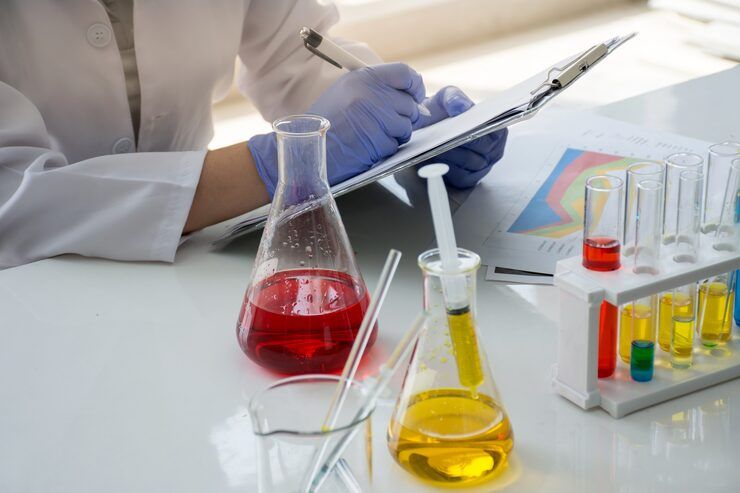
Every chemical product begins with a series of planned reactions that transform raw materials into useful compounds. These reactions are monitored using advanced process control systems that help maintain stable operating conditions, improve efficiency, and reduce waste. Alongside these technologies, safety remains one of the highest priorities in every stage of chemical production.
This guide explains how chemical making works, explores the science behind chemical reactions, highlights the importance of process control, and examines the safety principles that support responsible chemical manufacturing.
What Is Chemical Making?
Chemical making refers to the industrial process of converting raw materials into chemical products through controlled physical and chemical transformations. Depending on the intended product, manufacturing may involve reactions, separation techniques, purification, blending, or formulation.
Chemical manufacturing serves numerous industries, including:
- Pharmaceuticals
- Agriculture
- Food and beverages
- Construction
- Automotive
- Electronics
- Water treatment
- Energy production
- Consumer goods
- Textiles
Each manufacturing process is designed to achieve consistent product quality while maintaining operational efficiency and environmental responsibility.
Understanding Chemical Reactions
At the heart of chemical making are chemical reactions. A chemical reaction occurs when substances, known as reactants, interact to form new substances with different physical or chemical properties.
Industrial reactions are carefully designed so that the desired products are formed efficiently while minimizing unwanted by-products.
Several factors influence how reactions occur, including:
- Temperature
- Pressure
- Concentration
- Reaction time
- Mixing conditions
- Catalysts
- pH levels
- Material purity
Managing these variables allows manufacturers to achieve reliable and repeatable production results.
Common Types of Chemical Reactions in Industry
Chemical manufacturing relies on several reaction categories depending on the desired outcome.
Combination Reactions
Two or more substances combine to create a single product. These reactions are common in the production of many industrial compounds.
Decomposition Reactions
A single compound breaks into simpler substances under controlled conditions such as heat or pressure.
Oxidation and Reduction Reactions
These reactions involve electron transfer and play an important role in energy production, metallurgy, environmental processes, and industrial chemistry.
Neutralization Reactions
Acids and bases react to produce salts and water. Neutralization is widely used in water treatment, manufacturing, and environmental management.
Polymerization
Small molecular units combine to form larger polymer chains that are used to manufacture plastics, coatings, fibers, and numerous advanced materials.
Each reaction type requires specific operating conditions and process monitoring to achieve consistent results.
The Chemical Manufacturing Process
Although production methods differ across industries, many manufacturing systems follow similar stages.
Raw Material Preparation
Production begins with selecting and preparing raw materials. Quality testing helps verify that incoming materials meet required specifications before entering production.
Reaction Stage
Prepared materials enter reactors where controlled reactions occur under carefully monitored conditions.
During this stage, operators monitor variables such as:
- Temperature
- Pressure
- Flow rate
- Mixing speed
- Reaction duration
- Material composition
Maintaining stable conditions helps ensure product consistency.
Separation and Purification
Following the reaction, desired products are separated from remaining materials using techniques such as filtration, distillation, crystallization, or evaporation.
Purification improves product quality and removes impurities that may affect performance.
Quality Verification
Finished products undergo testing to confirm they meet established quality standards before packaging or further processing.
Why Process Control Is Essential
Modern chemical making depends heavily on process control systems that continuously monitor manufacturing operations.
Process control helps maintain consistent operating conditions while reducing variability throughout production.
Key objectives include:
- Product consistency
- Operational efficiency
- Reduced material waste
- Stable production conditions
- Equipment protection
- Improved process reliability
- Better energy management
Instead of relying solely on manual adjustments, automated systems collect data and make precise corrections whenever operating conditions begin to change.
Components of Modern Process Control
Today's chemical plants use integrated digital technologies to manage production.
Sensors
Sensors continuously measure important operating conditions such as temperature, pressure, flow, liquid level, and chemical composition.
Controllers
Controllers analyze incoming data and compare it with desired operating values.
If conditions move outside acceptable ranges, corrective adjustments are initiated automatically.
Automated Equipment
Valves, pumps, mixers, and other equipment respond to controller instructions, helping maintain stable production.
Data Monitoring Systems
Operators use digital dashboards to monitor equipment performance, production trends, and operating conditions in real time.
This combination of automation and human oversight improves overall manufacturing reliability.
Safety in Chemical Making
Safety is a fundamental part of chemical manufacturing and influences every stage of production.
Rather than being a single procedure, chemical safety consists of multiple layers of planning, monitoring, equipment design, employee training, and emergency preparedness.
Important safety practices include:
- Hazard identification
- Risk assessment
- Safe equipment operation
- Routine inspections
- Process monitoring
- Emergency response planning
- Proper storage practices
- Personal protective equipment
- Employee training
- Environmental protection measures
A strong safety culture helps reduce operational risks while protecting employees, surrounding communities, and the environment.
Quality Assurance in Chemical Manufacturing
Quality assurance ensures that every production batch consistently meets established specifications.
Quality management often includes:
- Raw material inspection
- Process monitoring
- Laboratory analysis
- Equipment calibration
- Documentation
- Batch verification
- Final product testing
Consistent quality supports reliable product performance across multiple industries.
Environmental Considerations
Modern chemical making increasingly emphasizes sustainability alongside productivity.
Manufacturers continue developing methods that reduce environmental impact through:
- Improved resource efficiency
- Reduced emissions
- Water conservation
- Waste minimization
- Recycling initiatives
- Energy-efficient equipment
- Cleaner production technologies
Environmental responsibility has become an important part of long-term manufacturing planning.
Challenges in Chemical Manufacturing
Chemical production involves complex scientific and engineering challenges.
Common areas requiring careful management include:
Maintaining Consistent Reactions
Small variations in operating conditions can influence reaction performance and product quality.
Equipment Reliability
Manufacturing equipment must operate continuously while maintaining accurate process control.
Process Optimization
Engineers continuously analyze production data to improve efficiency without compromising quality or safety.
Regulatory Compliance
Chemical manufacturing operates within established regulations covering worker safety, environmental protection, transportation, and product quality.
Maintaining compliance supports responsible industrial operations.
Emerging Trends in Chemical Making
Advances in digital technology continue transforming chemical manufacturing.
Several important trends include:
- Artificial intelligence for process optimization
- Predictive equipment maintenance
- Digital process monitoring
- Industrial Internet of Things (IIoT)
- Advanced automation
- Real-time quality monitoring
- Sustainable manufacturing practices
- Energy-efficient production systems
- Data-driven decision making
These innovations help manufacturers improve productivity while maintaining high standards of safety and quality.
Best Practices for Efficient Chemical Production
Successful chemical manufacturing combines scientific knowledge with disciplined operational practices.
Widely adopted best practices include:
- Maintaining accurate process documentation
- Regular equipment maintenance
- Continuous employee training
- Consistent quality monitoring
- Preventive safety inspections
- Careful raw material management
- Process data analysis
- Environmental responsibility
- Continuous improvement initiatives
Together, these practices support reliable manufacturing performance over time.
Frequently Asked Questions
What is chemical making?
Chemical making is the industrial process of transforming raw materials into useful chemical products through controlled reactions, separation methods, and quality management systems.
Why is process control important in chemical manufacturing?
Process control helps maintain stable operating conditions, improve product consistency, reduce waste, increase efficiency, and support safe production.
What factors influence chemical reactions?
Temperature, pressure, concentration, reaction time, catalysts, mixing, pH, and raw material quality all influence how chemical reactions proceed.
Why is safety essential in chemical production?
Chemical manufacturing involves complex processes that require careful hazard management, equipment monitoring, employee training, and emergency preparedness to protect people and the environment.
How is modern technology improving chemical manufacturing?
Digital monitoring systems, automation, artificial intelligence, predictive maintenance, and advanced analytics help improve production efficiency, quality assurance, and operational safety.
Conclusion
Chemical making combines chemistry, engineering, automation, and safety to produce the materials that support modern industries and everyday life. From carefully controlled chemical reactions to advanced process control systems, every stage of production is designed to achieve consistent quality while maintaining operational reliability.
As manufacturing technologies continue to evolve, chemical producers increasingly rely on digital monitoring, intelligent automation, and sustainable practices to improve efficiency and environmental performance. By understanding the principles of chemical reactions, process control, and safety, readers gain a clearer picture of how modern chemical manufacturing delivers dependable products while supporting responsible industrial development.