
Chemical waste is generated across many industries, including manufacturing, laboratories, healthcare, agriculture, and research facilities. Managing these materials responsibly begins long before disposal, making proper storage one of the most important elements of workplace safety and environmental protection.
As industrial operations become more complex and regulatory expectations continue to evolve, organizations are expected to maintain structured systems that reduce the risk of spills, contamination, fires, and accidental exposure. Safe storage practices help protect employees, nearby communities, and surrounding ecosystems while supporting regulatory compliance.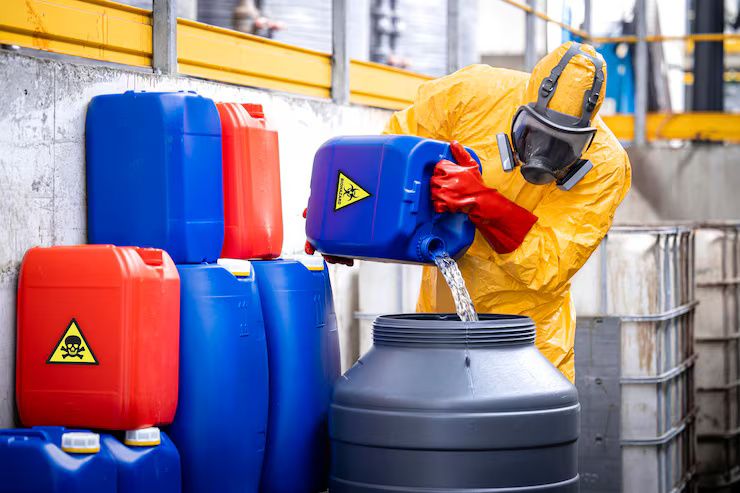
Understanding chemical waste storage regulations provides valuable insight into how hazardous materials should be identified, contained, monitored, and managed throughout their storage lifecycle. Effective practices combine technical controls, operational procedures, employee training, and ongoing inspections to minimize risk.
Why Storage Regulations Matter
Chemical waste can present a wide range of hazards depending on its physical and chemical properties. Some materials are corrosive, while others may be flammable, toxic, reactive, or environmentally hazardous. Improper storage increases the likelihood of incidents that may threaten both workplace safety and environmental quality.
Regulations establish consistent expectations for organizations that generate, store, transport, or manage chemical waste. Rather than focusing only on disposal, these requirements emphasize safe handling throughout the entire storage period.
Well-designed storage procedures also improve operational efficiency by reducing confusion, supporting inventory management, and ensuring hazardous materials remain identifiable throughout their lifecycle.
Identifying and Classifying Chemical Waste
Effective storage begins with accurate identification. Organizations must understand the characteristics of each waste stream before selecting storage methods or determining handling requirements.
Chemical waste is commonly classified according to hazard properties such as:
- Flammability
- Corrosivity
- Toxicity
- Reactivity
- Oxidizing characteristics
- Environmental hazards
Correct classification helps determine suitable storage containers, segregation requirements, labeling standards, and emergency response procedures. Mixing incompatible materials can create dangerous reactions, making proper identification a critical safety practice.
Choosing Appropriate Storage Containers
Storage containers play an essential role in preventing leaks, contamination, and accidental releases.
Containers should be compatible with the chemical waste they hold and remain in good physical condition throughout storage. Damaged, corroded, or deteriorating containers increase the likelihood of failures that may create significant safety risks.
Containers should also remain securely closed except when waste is being added or removed. Proper sealing reduces evaporation, limits exposure to hazardous vapors, and helps prevent accidental spills.
Secondary containment systems, including spill trays and containment pallets, provide an additional layer of protection by capturing leaks before they spread throughout the storage area.
Organizing Storage Areas Safely
A well-designed storage area supports both regulatory compliance and operational safety.
Chemical waste should be stored in clearly designated locations away from incompatible substances, ignition sources, and unnecessary workplace traffic. Storage layouts often separate different hazard categories to reduce the possibility of dangerous chemical reactions.
Facilities should also provide adequate ventilation, controlled access, appropriate lighting, and sufficient space for inspections and emergency response activities. Clear signage helps employees quickly identify hazard zones and follow established safety procedures.
Good housekeeping further contributes to safer storage by reducing clutter, maintaining unobstructed access routes, and allowing leaks or damaged containers to be identified promptly.
Labeling and Documentation Requirements
Accurate labeling is one of the most visible aspects of chemical waste management.
Every storage container should clearly identify its contents and communicate relevant hazard information. Labels commonly include waste descriptions, hazard classifications, accumulation dates, and other information required by applicable regulations.
Supporting documentation allows organizations to monitor storage duration, maintain inventory records, and demonstrate compliance during regulatory inspections.
Reliable recordkeeping also improves operational planning by helping facilities monitor waste generation patterns and schedule appropriate waste management activities before storage capacity becomes limited.
Routine Inspection and Monitoring
Safe storage depends on continuous oversight rather than one-time compliance efforts.
Regular inspections allow organizations to identify damaged containers, deteriorating labels, blocked emergency equipment, or developing leaks before they become larger problems. Inspection schedules should follow documented procedures that address both routine observations and corrective actions.
Many facilities also monitor environmental conditions such as temperature, humidity, ventilation performance, and containment integrity when these factors influence storage safety.
Prompt maintenance reduces the likelihood of equipment failures while supporting a safer working environment for employees.
Employee Training and Emergency Preparedness
Even well-designed storage systems depend on knowledgeable personnel.
Employees responsible for handling chemical waste should understand hazard communication requirements, storage procedures, personal protective equipment, spill response protocols, and reporting responsibilities. Ongoing training reinforces safe work practices as regulations and operational processes evolve.
Emergency preparedness is equally important. Facilities should maintain written emergency response procedures, accessible spill response equipment, fire protection measures where appropriate, and clearly identified evacuation routes.
Regular drills help ensure employees remain familiar with emergency procedures and can respond effectively if an incident occurs.
Regulatory Frameworks and Industry Standards
Chemical waste storage regulations vary by jurisdiction, but many share common safety principles focused on hazard identification, containment, documentation, and environmental protection.
Organizations frequently align their internal procedures with internationally recognized frameworks such as the Globally Harmonized System of Classification and Labelling of Chemicals (GHS) for hazard communication and environmental management practices outlined in ISO 14001. Workplace safety programs may also incorporate guidance from national occupational health and environmental agencies.
Maintaining awareness of applicable regulations helps organizations update procedures as legal requirements and industry expectations evolve.
Continuous Improvement in Chemical Waste Management
Chemical waste storage should not remain static after procedures are established. Periodic reviews allow organizations to evaluate storage capacity, inspection results, incident reports, and operational changes that may affect safety.
Many organizations incorporate risk assessments, internal audits, and employee feedback into continuous improvement programs. These activities help identify opportunities to strengthen storage practices while supporting long-term regulatory compliance and environmental stewardship.
Technology also contributes to safer management through digital inventory systems, barcode tracking, automated inspection records, and environmental monitoring tools that improve visibility across storage operations.
Conclusion
Chemical waste storage regulations provide a structured framework for managing hazardous materials safely before treatment or disposal. Through proper classification, compatible containers, organized storage areas, accurate labeling, regular inspections, employee training, and adherence to recognized safety standards, organizations can significantly reduce operational and environmental risks.
Building safer handling practices requires ongoing attention rather than a one-time effort. Organizations that continuously evaluate and improve their storage procedures are better prepared to protect people, maintain compliance, and support responsible environmental management throughout the chemical waste lifecycle.