Construction materials are the basic substances used to build structures such as houses, roads, bridges, and commercial buildings. These materials form the physical foundation of infrastructure and determine the strength, durability, and functionality of built environments. Common construction materials include concrete, steel, wood, bricks, glass, and composites.
Historically, early construction relied on natural materials such as stone, clay, and timber. Over time, advancements in engineering and industrial processes introduced manufactured materials like cement, reinforced concrete, and structural steel. These developments allowed the construction of larger, taller, and more complex structures.
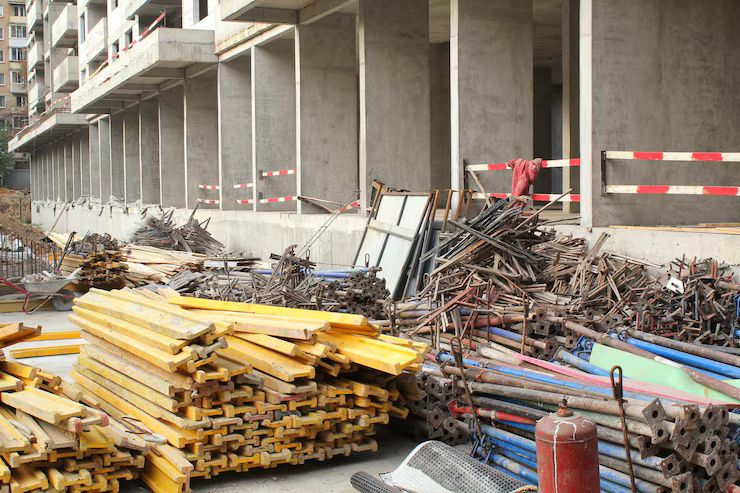
Modern building materials are selected based on factors such as strength, durability, weather resistance, and ease of use. Engineers and architects consider how materials perform under different environmental conditions and structural loads. As a result, construction materials vary depending on the type of project, location, and intended use.
Today, construction materials are used across residential, commercial, and industrial projects. They support everything from small housing units to large infrastructure systems such as highways and high-rise buildings.
Importance
Construction materials play a central role in shaping the safety, stability, and longevity of buildings and infrastructure. The choice of materials influences how a structure performs over time and how it responds to environmental conditions.
Several factors highlight the importance of construction materials in modern building:
-
Structural strength: Materials such as concrete and steel provide the load-bearing capacity required for buildings and bridges.
-
Durability: High-quality materials help structures withstand weather, corrosion, and long-term wear.
-
Energy performance: Some materials contribute to insulation and temperature control within buildings.
-
Design flexibility: Different materials allow architects to create various shapes, finishes, and structural forms.
Construction materials are used in nearly every stage of building, from foundation work to finishing elements. Their properties influence both the appearance and functionality of structures.
In addition, material selection can affect maintenance requirements and environmental impact, making it an important consideration in modern construction planning.
Recent Updates
Advancements in engineering and environmental awareness have influenced the development of modern construction materials. New materials and improved manufacturing techniques are shaping how buildings are designed and constructed.
Sustainable Building Materials
There is growing interest in environmentally conscious materials. These include recycled materials, low-emission products, and materials designed to reduce environmental impact.
Examples include recycled steel, fly ash-based concrete, and engineered wood products.
High-Performance Materials
Modern construction increasingly uses high-performance materials that offer improved strength, durability, and resistance to environmental conditions. These materials are designed to perform under extreme loads or challenging climates.
Smart Materials
Some materials are being developed with responsive properties. Smart materials can react to environmental changes such as temperature, moisture, or stress. These materials are being explored in advanced construction and infrastructure projects.
Prefabrication and Modular Components
Prefabricated building components are manufactured off-site and assembled at construction locations. This approach relies on standardized materials and improves efficiency in building processes.
These trends reflect the ongoing evolution of construction materials in response to technological and environmental factors.
Laws or Policies
The use of construction materials is governed by building codes, safety standards, and environmental regulations. These frameworks ensure that materials meet required performance and safety criteria.
Building Codes and Standards
Local and national building codes define the types of materials that can be used in construction. These codes specify requirements related to strength, fire resistance, and structural performance.
Material Quality Standards
Standards organizations establish guidelines for material quality and testing. These standards ensure that materials meet specific performance criteria before being used in construction projects.
Environmental Regulations
Governments may regulate the environmental impact of construction materials. These regulations encourage the use of sustainable materials and control emissions related to material production.
Safety and Compliance Guidelines
Construction projects must follow safety guidelines that include proper material handling, storage, and usage. These rules help prevent accidents and ensure safe construction practices.
Together, these policies influence how construction materials are selected and used in building projects.
Tools and Resources
Engineers, architects, and construction professionals use various tools and resources to select and evaluate construction materials.
Common tools include:
-
Material testing equipment: Instruments used to measure strength, durability, and resistance properties of materials.
-
Computer-aided design (CAD) software: Digital tools used to design structures and simulate material performance.
-
Building information modeling (BIM) systems: Platforms that integrate material data into digital building models.
-
Construction calculators: Tools used to estimate material quantities and structural requirements.
-
Engineering standards documentation: Technical guidelines that define material specifications and usage requirements.
These resources support informed decision-making in construction planning and execution.
Common Types of Construction Materials
Different types of construction materials are used depending on the structure and application. The table below outlines commonly used materials and their primary uses.
| Material | Description | Common Uses |
|---|---|---|
| Concrete | Mixture of cement, sand, aggregates, and water | Foundations, columns, roads |
| Steel | Strong metal alloy with high tensile strength | Structural frameworks, bridges |
| Brick | Rectangular blocks made from clay or concrete | Walls and facades |
| Wood | Natural material from timber | Residential structures, interiors |
| Glass | Transparent material used in building envelopes | Windows, facades |
| Asphalt | Bituminous material used for paving | Roads and highways |
Each material has unique properties that determine where and how it is used in construction.
Uses in Modern Building Applications
Construction materials are applied across different stages and types of building projects.
Residential Construction
Materials such as concrete, bricks, and wood are commonly used in housing projects. These materials provide structural stability and allow for various architectural designs.
Commercial Buildings
Steel and glass are widely used in commercial buildings such as offices and shopping complexes. These materials support large open spaces and modern architectural styles.
Infrastructure Projects
Roads, bridges, and transportation systems rely on materials such as concrete, steel, and asphalt. These materials are selected for their durability and ability to handle heavy loads.
Industrial Construction
Industrial facilities often use reinforced concrete and steel structures to support machinery and heavy operations.
These applications demonstrate how construction materials are selected based on project requirements and environmental conditions.
FAQs
What are construction materials?
Construction materials are substances used to build structures such as buildings, roads, and bridges. They include materials like concrete, steel, wood, and bricks.
What are the main types of construction materials?
Common types include concrete, steel, bricks, wood, glass, and asphalt. Each material has specific properties suited for different construction purposes.
Why are construction materials important in building projects?
Construction materials determine the strength, durability, and safety of structures. They also influence design flexibility and long-term performance.
What are modern construction materials?
Modern construction materials include high-performance concrete, engineered wood, recycled materials, and smart materials designed to improve efficiency and sustainability.
How are construction materials selected for a project?
Materials are selected based on factors such as structural requirements, environmental conditions, durability, and building design.
Conclusion
Construction materials form the foundation of modern infrastructure and building projects. They determine the strength, durability, and functionality of structures across residential, commercial, and industrial applications.
Advancements in material science and sustainable design continue to influence how construction materials are developed and used. Regulatory standards and building codes guide material selection to ensure safety and performance.
Understanding the types and applications of construction materials provides insight into how buildings and infrastructure are designed and constructed in today’s environment.