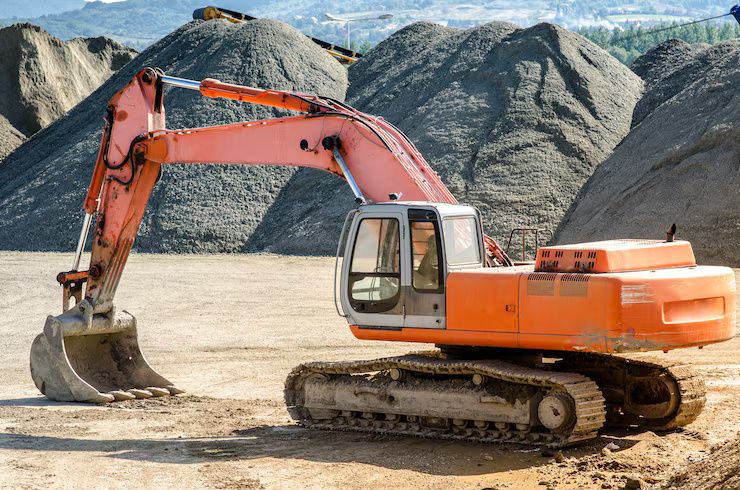
Crawler excavator machines are heavy construction vehicles designed for digging, lifting, earthmoving, and material handling activities across construction, mining, infrastructure, and industrial projects. These machines use tracked undercarriages, hydraulic systems, and advanced mechanical technologies to operate in challenging environments where stability and digging power are required.
Modern crawler excavators represent an important category of heavy construction machinery. Their combination of strong lifting capability, flexible movement, and powerful hydraulic control systems allows them to perform a wide range of excavation activities.
The development of excavation equipment has progressed from basic mechanical digging machines to advanced systems that include digital controls, automation features, and smart construction technologies. Understanding crawler excavators helps explain how modern construction and infrastructure projects manage large-scale earthmoving operations.
Context
Understanding Crawler Excavator Machines
A crawler excavator is a construction machine that uses continuous tracks instead of wheels for movement. The tracked design provides increased stability on uneven surfaces, making these machines suitable for construction sites, mining areas, and difficult terrain.
A typical crawler excavator consists of several major components:
| Component | Function |
|---|---|
| Boom | Provides lifting and digging movement |
| Arm (Stick) | Extends the digging reach |
| Bucket | Collects and moves soil or materials |
| Hydraulic system | Controls machine movements |
| Crawler tracks | Provide stability and mobility |
| Cab | Allows operator control and monitoring |
| Counterweight | Helps maintain machine balance |
These components work together to perform excavation and material handling tasks.
How Crawler Excavators Work
Crawler excavators operate through hydraulic power systems that convert engine energy into controlled machine movements. Hydraulic fluid creates pressure that moves cylinders connected to the boom, arm, and bucket.
The basic operating process includes:
- The engine powers hydraulic pumps.
- Hydraulic fluid transfers pressure through control systems.
- Hydraulic cylinders move the boom, arm, and bucket.
- Tracks provide machine movement and stability.
- The operator controls excavation activities from the cabin.
This hydraulic mechanism allows precise control during digging, lifting, and positioning operations.
Types of Crawler Excavators
Crawler excavators are available in different sizes and configurations depending on project requirements.
| Type | Application |
| Mini crawler excavators | Small construction projects and limited spaces |
| Medium crawler excavators | General construction and infrastructure work |
| Large crawler excavators | Mining and major earthmoving projects |
| Long-reach excavators | Deep digging and specialized applications |
| Heavy-duty excavators | Large-scale industrial and excavation activities |
Development of Excavation Technologies
Excavation technologies have evolved through improvements in hydraulic engineering, digital controls, and machine design.
Traditional excavators mainly depended on operator skill and mechanical controls. Modern systems increasingly include:
- Electronic monitoring systems
- Machine guidance technology
- GPS positioning
- Automated control features
- Digital performance tracking
These developments support more accurate and connected construction operations.
Importance
Role in Construction and Infrastructure
Crawler excavator machines are essential for many construction activities because they provide digging power, lifting capability, and stability.
Common applications include:
- Building foundation preparation
- Road construction
- Pipeline installation
- Land development
- Bridge construction
- Utility projects
Their ability to operate on uneven ground makes them suitable for many outdoor construction environments.
Importance of Hydraulic Excavator Technology
Hydraulic excavator technology is one of the most important developments in modern construction machinery. Hydraulic systems allow machines to perform powerful movements while maintaining operator control.
Hydraulic systems support:
- Smooth arm movement
- Controlled digging operations
- Heavy lifting capability
- Precise bucket positioning
- Efficient machine operation
The performance of hydraulic systems directly influences excavation capabilities.
Applications in Mining Operations
Mining excavation equipment requires machines capable of handling large quantities of earth and materials. Large crawler excavators are commonly used in mining environments for:
- Material removal
- Loading activities
- Site preparation
- Earthmoving operations
Mining applications often require machines designed for continuous operation under demanding conditions.
Earthmoving Applications
Earthmoving equipment supports projects that involve changing land structures and preparing construction areas.
Crawler excavators are used for:
- Soil removal
- Trenching
- Grading preparation
- Material relocation
- Site clearing
These activities are important steps in many construction projects.
Advantages of Track-Based Design
Crawler excavators use tracked systems that provide several operational benefits.
Tracked designs help with:
- Improved ground stability
- Operation on soft surfaces
- Better weight distribution
- Reduced ground pressure
These characteristics make track excavators suitable for challenging environments.
Recent Updates
Growth of Smart Construction Machinery
Between 2024 and 2026, smart construction machinery continued developing through improved digital systems and connected equipment technologies.
Modern crawler excavators may include:
- Machine monitoring systems
- Digital displays
- Remote diagnostics
- Performance tracking tools
- Operator assistance features
These technologies help construction teams understand equipment conditions and operating information.
Increased Automation in Excavation Equipment
Construction equipment automation has expanded as manufacturers and researchers develop systems that support machine control and operational efficiency.
Automation features may include:
- Automated digging assistance
- Machine guidance systems
- Digital terrain mapping
- Controlled movement functions
Human operators continue managing machine operation and responding to site conditions.
Development of Electric and Hybrid Excavators
The construction industry has shown increasing interest in alternative power technologies. Electric and hybrid excavator models are being developed for applications where energy efficiency and reduced emissions are important considerations.
Development areas include:
- Battery technology
- Energy management systems
- Electric hydraulic solutions
- Indoor construction applications
Digital Monitoring and Fleet Management
Heavy equipment technology increasingly includes digital monitoring platforms that collect machine information.
These systems may track:
- Operating hours
- Equipment condition
- Maintenance schedules
- Fuel or energy usage
- Machine performance
Improved Operator Assistance Systems
Modern excavators increasingly include technologies designed to support operators.
Examples include:
- Camera systems
- Proximity detection
- Digital controls
- Stability monitoring
- Machine guidance features
Laws or Policies
Construction Equipment Safety Standards
Crawler excavator operations are influenced by workplace safety regulations that vary by country and region.
Safety requirements generally address:
- Equipment inspection
- Operator training
- Worksite management
- Safe operating procedures
- Maintenance practices
Operator Training Requirements
Because crawler excavators are powerful heavy machines, proper training is an important part of safe operation.
Training may include:
- Machine controls
- Excavation techniques
- Load handling
- Site awareness
- Safety procedures
Environmental Regulations
Construction equipment may be affected by environmental policies related to:
- Emissions
- Noise levels
- Fuel efficiency
- Sustainable construction practices
These regulations encourage development of cleaner and more efficient machinery.
Equipment Maintenance Guidelines
Regular maintenance supports safe and reliable machine operation.
Maintenance activities may include:
- Hydraulic system inspection
- Track system checks
- Engine maintenance
- Component evaluation
- Safety system testing
Tools and Resources
Machine Control Systems
Machine control technology helps operators receive digital guidance during excavation activities.
These systems may provide:
- Position information
- Digging depth guidance
- Digital site models
- Equipment data
Construction Planning Software
Construction planning platforms help teams coordinate excavation activities with broader project requirements.
They may support:
- Site planning
- Equipment scheduling
- Project tracking
- Resource management
Equipment Monitoring Platforms
Monitoring systems collect operational information from heavy construction machinery.
They may assist with:
- Maintenance planning
- Performance analysis
- Equipment records
- Usage tracking
Excavation Training Resources
Training resources help operators and construction professionals understand:
- Machine operation
- Safety practices
- Equipment capabilities
- Maintenance requirements
Industry Information Sources
Information about crawler excavators can be found through:
- Construction research organizations
- Engineering publications
- Safety organizations
- Equipment technology resources
- Technical standards groups
FAQs
What are crawler excavator machines used for?
Crawler excavator machines are used for digging, earthmoving, lifting, trenching, and material handling activities in construction, mining, and infrastructure projects.
How does a hydraulic excavator work?
A hydraulic excavator uses pressurized hydraulic fluid to move cylinders that control the boom, arm, and bucket, allowing controlled digging and lifting operations.
Why do excavators use tracks instead of wheels?
Crawler excavators use tracks because they provide improved stability, better weight distribution, and improved performance on uneven or soft ground.
What are the main applications of crawler excavators?
Crawler excavators are used in construction, mining, road development, pipeline projects, land preparation, and other large-scale earthmoving activities.
How is technology improving modern excavators?
Modern excavators use digital controls, automation features, sensors, and monitoring systems to support machine operation, safety, and construction planning.
Conclusion
Crawler excavator machines are important components of modern construction and earthmoving operations. Through advanced hydraulic systems, tracked designs, and evolving excavation technologies, these machines support projects across construction, mining, and infrastructure sectors. Developments in automation, digital monitoring, and smart construction machinery continue shaping the future of heavy equipment technology. Understanding crawler excavators provides insight into the systems that support large-scale development projects.