
Crusher machines are mechanical devices designed to reduce large materials into smaller, manageable sizes. They are widely used in industries such as mining, construction, recycling, and manufacturing. The primary purpose of these machines is to break down materials like rocks, ores, concrete, and aggregates into sizes suitable for further processing or direct use.
The concept of crushing dates back to early industrial development when manual tools were replaced by mechanical systems. Over time, crusher machines have evolved to include advanced designs and automated features. Today, they play a key role in material handling and processing across various industrial sectors.
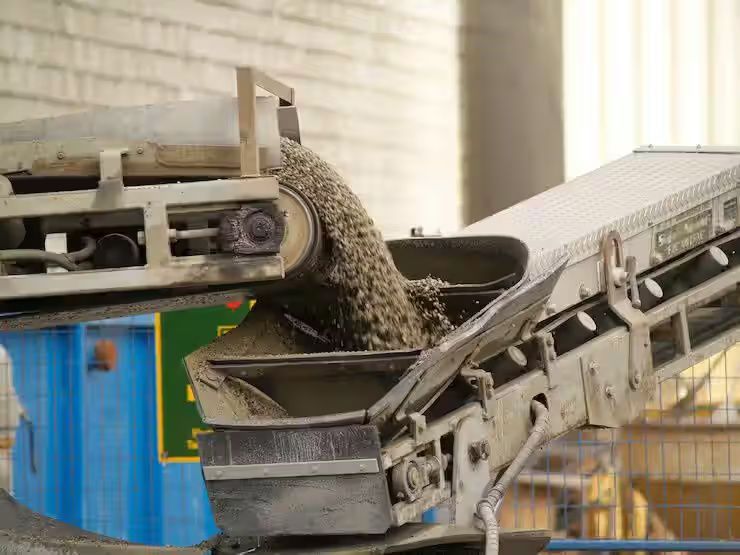
Crusher machines operate based on different mechanical principles, such as compression, impact, and attrition. Each principle is suited to specific materials and output requirements. Understanding these machines helps industries select appropriate equipment for efficient material processing.
Importance
Crusher machines are essential in modern infrastructure and industrial operations. They support processes that require raw materials to be transformed into usable forms. Without these machines, large-scale construction and mining activities would be difficult to manage.
Key reasons why crusher machines are important include:
- Material size reduction, making transportation and handling easier
- Preparation of raw materials for further processing in industries
- Recycling of construction waste into reusable aggregates
- Improved efficiency in mining and quarry operations
- Consistent output size for industrial applications
These machines are used in projects such as road construction, building development, and mineral extraction. They help ensure that materials meet required specifications, which is important for structural quality and safety.
Types of Crusher Machines
Crusher machines are classified based on their working principles and the type of material they handle. Each type has specific characteristics and applications.
Jaw Crusher
Jaw crushers use a compression mechanism. Material is placed between two plates, where one is fixed and the other moves back and forth.
- Suitable for primary crushing
- Handles large and hard materials
- Commonly used in mining and quarrying
Cone Crusher
Cone crushers also operate on compression but with a rotating cone inside a fixed outer shell.
- Used for secondary and tertiary crushing
- Produces uniform particle sizes
- Suitable for medium to hard materials
Impact Crusher
Impact crushers break materials using high-speed impact forces.
- Ideal for softer materials
- Produces finer particles
- Common in recycling and construction
Hammer Crusher
Hammer crushers use rotating hammers to crush materials.
- Suitable for brittle materials
- High production capacity
- Used in cement and coal industries
Roll Crusher
Roll crushers use two rotating cylinders to compress and crush materials.
- Suitable for medium hardness materials
- Produces consistent output size
- Used in mining and mineral processing
Working Principles
Crusher machines function based on different physical forces. The main working principles include:
Compression
In this method, materials are squeezed between two surfaces until they break. Jaw and cone crushers commonly use this principle.
Impact
Materials are struck by fast-moving components, causing them to shatter. Impact and hammer crushers operate using this mechanism.
Attrition
This involves rubbing or grinding materials against each other or surfaces. It is often used in fine crushing processes.
Shear
Materials are cut or split along planes of weakness. Roll crushers sometimes use shear forces in combination with compression.
The choice of working principle depends on the type of material, desired output size, and production requirements.
Industrial Applications
Crusher machines are used across multiple industries due to their versatility and efficiency.
Mining Industry
In mining, crushers are used to break down large rocks and ores into smaller pieces for further processing. This is a critical step before extraction of valuable minerals.
Construction Industry
Construction projects use crushers to produce aggregates for concrete, asphalt, and road base materials. They also help recycle demolition waste.
Recycling Industry
Crusher machines play a key role in recycling materials such as concrete, glass, and metals. This supports waste reduction and resource conservation.
Cement Industry
In cement production, crushers are used to prepare raw materials like limestone and clay. These materials are then processed into cement.
Chemical and Industrial Processing
Certain industries use crushers to process raw materials into smaller sizes for chemical reactions or manufacturing processes.
Recent Updates
In recent years, crusher machines have seen improvements in technology and design. These developments focus on efficiency, safety, and environmental impact.
Automation and digital control
Modern crushers are equipped with automated systems that monitor performance and adjust settings in real time. This improves productivity and reduces manual intervention.
Energy efficiency
Newer designs aim to reduce energy consumption while maintaining output capacity. This is important for sustainable industrial operations.
Dust and noise reduction
Advanced systems now include features to control dust emissions and reduce noise levels, improving working conditions.
Mobility and compact design
Mobile crusher units are increasingly used in construction and mining sites. These machines can be moved easily, reducing the need for material transport.
Laws or Policies
Crusher machines are subject to various regulations related to safety, environmental protection, and industrial standards.
Environmental regulations
Industries must comply with rules on dust control, noise levels, and waste management. Crushers are often required to include systems that minimize environmental impact.
Workplace safety standards
Operators must follow safety guidelines to prevent accidents. This includes proper training, use of protective equipment, and regular maintenance of machines.
Equipment standards
Manufacturers must adhere to quality and safety standards to ensure reliable operation of crusher machines. These standards vary by country and industry.
Permits and compliance
Industrial facilities using crushers may need permits for operation, especially in mining and construction projects.
Tools and Resources
Several tools and resources help industries manage crusher machine operations effectively.
Monitoring systems
Digital monitoring tools track machine performance, including output rate, wear levels, and maintenance needs.
Maintenance planning tools
Software solutions help schedule regular maintenance, reducing downtime and extending machine life.
Industry guidelines
Organizations provide technical manuals and safety guidelines for crusher operation and maintenance.
Training programs
Training resources help operators understand machine handling, safety procedures, and troubleshooting techniques.
Sample comparison table
| Crusher Type | Working Principle | Material Type | Typical Use |
|---|---|---|---|
| Jaw Crusher | Compression | Hard materials | Primary crushing |
| Cone Crusher | Compression | Medium-hard materials | Secondary crushing |
| Impact Crusher | Impact | Soft to medium | Recycling, shaping |
| Hammer Crusher | Impact | Brittle materials | Coal, cement |
| Roll Crusher | Compression/Shear | Medium hardness | Mineral processing |
FAQs
What are crusher machines used for?
Crusher machines are used to reduce large materials into smaller sizes for processing, transportation, or reuse in industries such as mining, construction, and recycling.
How do different types of crusher machines work?
Different types operate using principles like compression, impact, and attrition. The method depends on the material and required output size.
Which crusher machine is suitable for hard materials?
Jaw and cone crushers are commonly used for hard materials because they use strong compression forces to break them down.
Are crusher machines used in recycling?
Yes, crusher machines are widely used in recycling to process materials like concrete, glass, and metal into reusable forms.
What factors affect the performance of crusher machines?
Performance depends on factors such as material hardness, machine design, operating conditions, and maintenance practices.
Conclusion
Crusher machines are essential equipment in various industries, enabling efficient material size reduction and processing. Different types of crushers operate on distinct principles, making them suitable for specific applications. Advances in technology continue to improve their efficiency, safety, and environmental impact. Understanding these machines helps industries choose appropriate solutions for their operational needs.