Desert exploration tours provide opportunities to understand some of the world's most distinctive landscapes, ecosystems, and cultural traditions.
These journeys may include guided walks, wildlife observation, geological sightseeing, cultural visits, camping, photography, and off-road exploration in designated areas.
Deserts are often associated with extensive sand dunes, but they also include rocky plateaus, gravel plains, salt flats, canyons, and cold, high-altitude environments. Their climates and natural features differ significantly from one region to another.
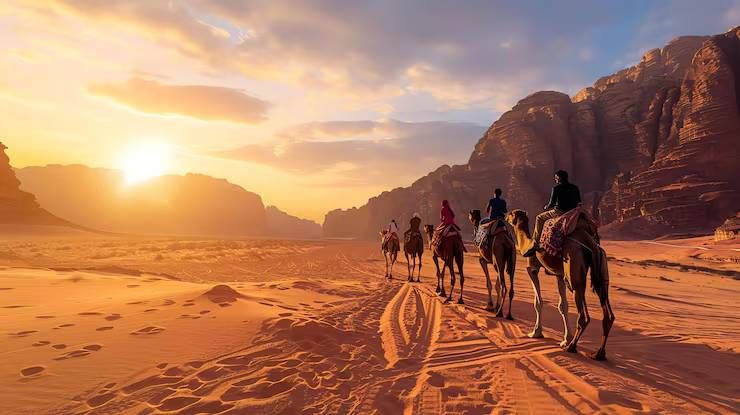
Desert exploration combines outdoor recreation with environmental education. Depending on the destination, visitors may learn about water conservation, desert-adapted plants, animal behavior, traditional architecture, and the historical movement of people across arid regions.
Planning these journeys requires an understanding of local conditions, travel regulations, cultural expectations, and environmental responsibilities. Careful preparation helps visitors experience desert landscapes while reducing risks to themselves and the surrounding environment.
Understanding Desert Exploration Tours
Desert exploration tours are organized journeys into arid or semi-arid environments. They can range from short excursions near established tourist destinations to multiday expeditions through remote landscapes.
Common activities include:
Dune exploration: Observing the formation, movement, and structure of sand dunes.
Desert trekking: Walking along designated trails with appropriate equipment and guidance.
Wildlife observation: Learning about reptiles, birds, mammals, and other species adapted to dry environments.
Cultural exploration: Understanding local communities, traditional livelihoods, architecture, and regional history.
Geological sightseeing: Examining rock formations, erosion patterns, fossil sites, and desert landforms.
Night-sky observation: Studying stars and planets in locations with limited artificial lighting.
Desert camping: Learning about outdoor preparation, temperature changes, and responsible campsite practices.
The activities available depend on the terrain, weather, conservation rules, and the experience level required. Not every destination permits driving, camping, or independent access.
Why Desert Exploration Matters Today
Desert tourism connects visitors with environments that are often misunderstood or overlooked. These regions contain specialized ecosystems, distinctive cultural practices, and geological features that help explain how life adapts to limited water and extreme temperatures.
The activity also affects communities that depend on tourism, including local guides, artisans, cultural interpreters, accommodation operators, and transport providers. Responsible tourism can help maintain traditional knowledge and create opportunities for communities to participate in regional development.
Environmental and educational importance
Desert environments are sensitive to disturbance. Vehicle tracks, litter, excessive water consumption, and damage to vegetation can affect habitats that recover slowly. Well-managed exploration encourages visitors to understand these risks and follow appropriate practices.
Desert journeys can also support education in geography, ecology, astronomy, and climate science. Visitors may observe how wind shapes dunes, how animals avoid daytime heat, and how settlements have historically adapted to water scarcity.
Who benefits from desert exploration?
Nature enthusiasts: Discover desert plants, wildlife, and geological formations.
Students and researchers: Study arid ecosystems, landforms, and environmental adaptation.
Cultural travelers: Learn about local architecture, crafts, food traditions, and community history.
Photographers: Explore changing light, natural textures, and night skies.
Local communities: Share regional knowledge and participate in responsible tourism activities.
Popular Desert Exploration Destinations
Desert landscapes vary considerably across continents. Selecting a destination should depend on climate, accessibility, permitted activities, physical ability, and cultural interests.
Examples of well-known desert regions and their distinguishing features
Destination | Notable features | Common exploration activities |
|---|---|---|
Thar Desert, India | Sand dunes, historic settlements, desert wildlife | Camel excursions, cultural visits, guided walks |
Great Rann of Kutch, India | Seasonal salt flats and distinctive white landscapes | Landscape photography, cultural exploration |
Sahara Desert, North Africa | Extensive dunes, rocky plateaus, oases | Guided expeditions, camping, stargazing |
Arabian Desert, Middle East | Sand seas, gravel plains, varied desert habitats | Guided driving, landscape observation |
Atacama Desert, Chile | Extreme aridity, salt flats, high-altitude scenery | Astronomy, geology, photography |
Mojave Desert, United States | Desert valleys, mountains, distinctive plant communities | Hiking, wildlife observation, geological exploration |
The suitability of each location changes with the season and local conditions. Some areas require permits, authorized guides, or travel within designated routes.
Recent Developments and Tourism Trends
Desert tourism continues to develop alongside wider changes in adventure travel, environmental management, and destination planning. In India, government initiatives have increasingly emphasized sustainable tourism and the responsible development of visitor destinations.
Sustainable tourism initiatives in India
On December 8, 2025, India's Ministry of Tourism announced Comprehensive Sustainable Tourism Criteria for several tourism industry segments, including tour operators and accommodation providers. The initiative supports environmental protection, heritage conservation, and responsible tourism practices.The national Travel for LiFE initiative also encourages travelers and tourism businesses to adopt environmentally responsible habits. Examples relevant to desert travel include reducing waste, conserving water, respecting local traditions, and limiting unnecessary environmental disturbance.Developments in Rajasthan
Rajasthan's tourism planning has highlighted established desert destinations such as Jaisalmer and additional locations around Bikaner, Barmer, Phalodi, and other parts of the state. Activities associated with desert tourism include camel excursions, jeep safaris, camping, and selected adventure experiences.
The expansion of activities makes visitor awareness especially important. Motorized recreation, for example, needs suitable routes and appropriate oversight to limit damage to fragile habitats.
Key trends to understand
Nature-focused travel: Greater interest in wildlife observation and learning about desert ecosystems.
Responsible travel planning: More attention to water use, waste management, and cultural respect.
Astronomy experiences: Interest in dark skies and observing celestial objects away from urban lighting.
Digital navigation: Wider use of offline maps, GPS devices, and weather information for trip preparation.
Community participation: Increased recognition of local knowledge in interpreting landscapes and cultural heritage.
These are broad industry trends, not guarantees that every destination offers each activity or follows the same management practices.
Laws, Policies, and Travel Regulations
Desert exploration is affected by national laws, state tourism policies, protected-area regulations, and local community requirements. Rules vary by country and destination, so travelers should check official guidance before entering remote or environmentally sensitive areas.
Wildlife and protected-area regulations
In India, the Wildlife (Protection) Act, 1972, provides a framework for protecting wild animals, plants, and designated protected areas. Visitors must follow applicable park rules, access restrictions, and wildlife protection requirements.
In sensitive habitats, activities such as off-road driving, camping, and wildlife observation may be restricted to designated locations. Visitors should not disturb animals, collect protected plants, or remove natural materials.
Tourism policies in Rajasthan
Rajasthan's tourism policies provide a framework for developing tourism destinations and activities, including desert and adventure tourism. The state's official tourism website publishes current policy information, travel guidance, and destination details.
India's national sustainable tourism initiatives also encourage environmental responsibility and the protection of cultural heritage. Their objectives are relevant to desert destinations where water conservation and habitat management are particularly important.
Before departure, travelers should verify:
Whether entry permits or authorized guides are required.
Which routes and activities are permitted.
Whether photography or drone restrictions apply.
Whether border-area permissions or identification documents are necessary.
Which seasonal closures, weather warnings, or wildlife protection rules are in effect.
Frequently Asked Questions
What is the best time for desert exploration tours?
The best season depends on the destination. Many hot-desert destinations are more comfortable during cooler months, while high-altitude deserts may have different seasonal restrictions. Check local forecasts before selecting travel dates.
Are desert exploration tours suitable for beginners?
Some guided excursions are suitable for beginners, particularly short walks and visits to established viewpoints. Remote trekking, overnight expeditions, and high-altitude routes may require greater fitness, preparation, or specialist guidance.
What should travelers carry in a desert environment?
Essential items include drinking water, sun protection, suitable clothing, sturdy footwear, navigation tools, a first-aid kit, and emergency contact details. Requirements increase with trip length and remoteness.
How can visitors protect desert ecosystems?
Stay on authorized routes, carry out all rubbish, avoid disturbing wildlife, conserve water, and respect local customs. Follow instructions from park authorities and guides, especially in protected habitats.
Are permits required for desert exploration?
Permit requirements depend on the destination and activity. Protected areas, border regions, wildlife reserves, and certain adventure activities may have additional requirements. Check the relevant government or park authority before traveling.
Conclusion
Desert exploration tours offer opportunities to understand distinctive landscapes, observe specialized wildlife, learn about local cultures, and experience outdoor environments. From the dunes of the Thar Desert to the salt flats of the Great Rann of Kutch and the expansive Sahara, each region has different environmental conditions and travel requirements.
Successful planning involves choosing an appropriate destination, checking weather conditions, preparing essential equipment, and understanding applicable regulations. Responsible behavior is equally important because desert ecosystems can be sensitive to disturbance and water resources are often limited.
By combining practical preparation with environmental awareness and respect for local communities, travelers can explore desert landscapes more safely while supporting the long-term preservation of these remarkable environments.