
A destination wedding combines a wedding celebration with the experience of traveling to a different city, region, or country.
For couples, it creates an opportunity to celebrate in a meaningful setting while bringing family and friends together in a memorable environment. For guests, however, attending a destination wedding involves additional planning, including transportation, accommodation, travel documents, and time away from regular responsibilities.
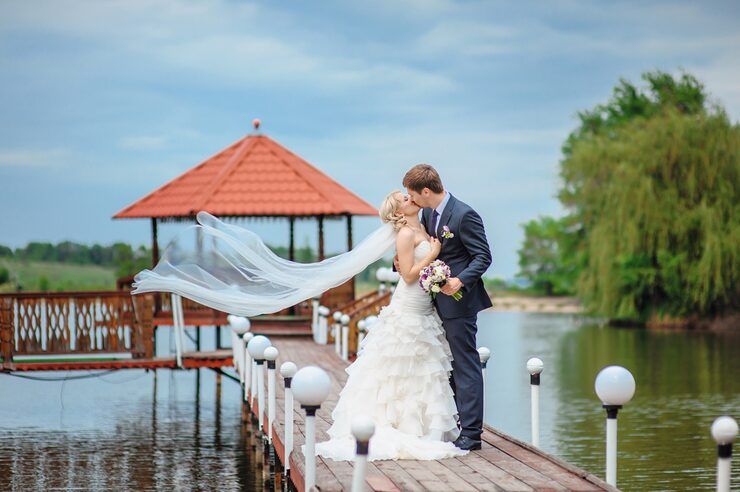
Successful destination wedding planning requires coordination well before the ceremony. The location, season, guest list, event schedule, accommodation, and local arrangements all influence the overall experience. This guide explains the key planning steps for couples and the practical considerations guests should understand before attending.
What Is a Destination Wedding?
A destination wedding is a wedding held away from the couple's usual place of residence. The destination may be a beach, mountain region, historic city, countryside setting, or international location.
Unlike a traditional local wedding, a destination wedding often involves several connected events rather than one ceremony. These may include:
- Welcome gatherings
- Pre-wedding celebrations
- Wedding ceremony
- Reception
- Group activities
- Farewell events
Because guests travel to attend, the wedding often becomes a shared travel experience rather than a single-day occasion.
Choosing the Right Destination
The destination is one of the most important decisions in destination wedding planning. Couples should consider both personal preferences and the practical needs of their guests.
Important factors include:
- Travel accessibility
- Climate and seasonal weather
- Local infrastructure
- Accommodation availability
- Legal wedding requirements
- Cultural considerations
- Distance from major airports
- Activities available for guests
A beautiful location may not always be the most practical choice if it is difficult to reach or requires complicated travel arrangements. The best destination usually balances the couple's vision with the comfort and accessibility needs of the people attending.
Setting a Realistic Wedding Plan
Before selecting venues or arranging events, couples should establish a clear vision for the celebration.
Consider whether the wedding will be:
- Intimate and family-focused
- Large and highly social
- Formal and elegant
- Relaxed and informal
- Centered around nature
- Designed as a multi-day celebration
A luxury destination wedding may include formal dining, detailed décor, multiple events, and carefully coordinated guest experiences. A simpler celebration may focus more on the destination itself, with fewer scheduled activities.
Defining the overall style early helps guide later decisions.
Building the Guest List
The guest list requires particular attention because destination weddings involve travel commitments.
Couples should consider:
- Immediate family
- Close friends
- Elderly relatives
- Guests with accessibility needs
- Families with children
- Guests traveling internationally
Sending early announcements allows guests to evaluate their schedules and travel requirements. Formal invitations should provide clear information about dates, location, accommodation, transportation, and planned activities.
A destination wedding should also recognize that some invited guests may be unable to attend because of work, health, family, or travel commitments.
Selecting the Wedding Venue
The venue should support both the ceremony and the practical needs of the event.
Possible settings include:
- Resorts
- Private estates
- Historic properties
- Gardens
- Mountain lodges
- Vineyards
- Coastal venues
- Beach locations
For a beach destination wedding, couples should consider tides, wind conditions, sun exposure, guest seating, and backup arrangements for changing weather.
Indoor and outdoor alternatives are particularly important when the ceremony is planned in a location with unpredictable seasonal conditions.
Understanding Legal and Cultural Requirements
International and regional weddings may involve legal requirements that differ from those in the couple's home location.
Depending on the destination, couples may need to understand:
- Marriage eligibility rules
- Required identification
- Residency requirements
- Documentation
- Translation requirements
- Witness regulations
- Local registration procedures
Some couples choose to complete the legal marriage process at home and hold a symbolic ceremony at the destination. Others complete the legal process at the wedding location.
Researching requirements early helps avoid administrative complications.
Planning the Wedding Timeline
A clear timeline keeps the planning process organized.
Several Months Before the Wedding
Couples generally begin by:
- Selecting the destination
- Creating the guest list
- Choosing the wedding date
- Researching venues
- Communicating travel information
During the Planning Period
The focus may shift toward:
- Accommodation
- Transportation
- Ceremony details
- Guest activities
- Invitations
- Décor
- Dining arrangements
Before Departure
Final preparation typically includes:
- Confirming guest attendance
- Reviewing travel documents
- Finalizing schedules
- Coordinating transportation
- Communicating emergency contacts
- Checking weather conditions
A written timeline helps couples and guests understand what needs to happen and when.
Planning Accommodation for Guests
Accommodation is a major part of the destination wedding experience.
Couples should provide guests with information about:
- Recommended lodging areas
- Distance from the venue
- Transportation options
- Check-in and check-out times
- Nearby restaurants
- Local attractions
When multiple guests stay in the same area, group coordination becomes easier. However, guests should ideally have different accommodation choices where practical, allowing them to select an option that suits their preferences and circumstances.
Organizing Transportation
Transportation planning connects the different parts of the wedding experience.
Depending on the location, couples may need to coordinate transportation between:
- Airports
- Hotels
- Ceremony venues
- Reception locations
- Group activity sites
Clear instructions are especially important when guests are unfamiliar with the destination.
For international weddings, couples should consider airport transfers and local transportation options before guests arrive. Providing schedules in advance can help reduce confusion and missed events.
Preparing Guests for the Journey
Guests attending a destination wedding should begin preparation as soon as they confirm attendance.
Important steps include:
- Checking passport validity
- Understanding entry requirements
- Reviewing travel insurance options
- Booking transportation
- Confirming accommodation
- Preparing appropriate clothing
- Checking local weather conditions
Guests should also understand the expected schedule. A destination wedding may involve several events spread across multiple days, so planning personal time around the wedding itinerary is helpful.
Designing a Comfortable Guest Experience
A destination wedding is also a group travel experience. Thoughtful planning can make guests feel informed without overwhelming them.
Couples may provide a simple information guide covering:
- Arrival instructions
- Accommodation details
- Wedding schedule
- Dress expectations
- Local transportation
- Weather information
- Emergency contact details
- Nearby attractions
This information can be shared digitally before travel and updated if plans change.
Planning a Beach Destination Wedding
Beach weddings offer a natural setting but require additional preparation.
Couples should consider:
- Wind conditions
- Heat and sun exposure
- Tidal patterns
- Footwear requirements
- Guest seating
- Sound systems
- Lighting
- Weather backup plans
Guests may also appreciate advance guidance about suitable clothing, footwear, sun protection, and evening temperatures.
The natural environment should be treated respectfully, with attention to local regulations and responsible event practices.
Creating a Luxury Destination Wedding Experience
A luxury destination wedding typically focuses on a carefully coordinated experience rather than simply adding more elements to the event.
Planning may involve:
- Elegant venue design
- Detailed guest coordination
- Formal dining
- Personalized event schedules
- Comfortable accommodations
- Professional photography
- Wellness and leisure activities
The most effective approach is usually thoughtful organization. A sophisticated event should still provide guests with clear information, reasonable schedules, and enough personal time to enjoy the destination.
Common Planning Mistakes to Avoid
Destination weddings can become complicated when important details are overlooked.
Common mistakes include:
- Choosing a destination without considering guest accessibility
- Sending travel information too late
- Ignoring seasonal weather conditions
- Forgetting legal documentation requirements
- Creating an overly crowded schedule
- Failing to arrange transportation between locations
- Not providing backup plans for outdoor events
Good planning involves anticipating potential challenges rather than assuming everything will proceed exactly as expected.
Frequently Asked Questions
How far in advance should couples begin destination wedding planning?
Planning should begin well ahead of the wedding date, particularly when guests need to arrange international travel, accommodation, or time away from work. Earlier planning gives guests more time to organize their schedules.
What should guests know before attending a destination wedding?
Guests should understand the travel requirements, accommodation arrangements, wedding schedule, transportation plans, expected attire, and local weather conditions before departure.
What makes a beach destination wedding different?
A beach destination wedding requires additional attention to weather, wind, tides, sunlight, footwear, sound, and backup arrangements. Environmental conditions can influence both the ceremony and guest comfort.
Is a luxury destination wedding always a large event?
No. A luxury destination wedding can be intimate or large. The defining characteristic is generally the level of planning, coordination, comfort, and attention to detail rather than the number of guests.
How can couples make destination weddings easier for guests?
Providing travel information early, communicating schedules clearly, helping guests understand accommodation and transportation options, and allowing sufficient free time can make the experience more comfortable and organized.
Conclusion
A destination wedding brings together the responsibilities of wedding planning and travel coordination. For couples, the process involves selecting an appropriate destination, managing legal requirements, organizing venues and events, and keeping guests informed. For guests, preparation involves arranging travel, accommodation, documents, transportation, and suitable clothing while understanding the overall wedding schedule.
Whether planning an intimate celebration, a luxury destination wedding, or a beach destination wedding, thoughtful preparation helps create a smoother experience for everyone involved. The most successful destination wedding planning approach balances the couple's vision with practical considerations such as accessibility, seasonal conditions, clear communication, and guest comfort. With a well-organized plan and realistic expectations, the wedding can become a meaningful celebration while also giving couples and their guests an opportunity to experience a destination together.