Dialysis machines are advanced medical devices designed to support kidney function when the kidneys are unable to effectively remove waste products, excess fluids, and certain substances from the blood. These machines are an important part of renal care technologies and are used in healthcare environments to provide renal replacement therapy for individuals with certain kidney conditions.
The kidneys play an essential role in maintaining fluid balance, filtering waste, and supporting overall body function. When kidney function becomes severely reduced, dialysis treatment technology can help perform some of these important filtering tasks.
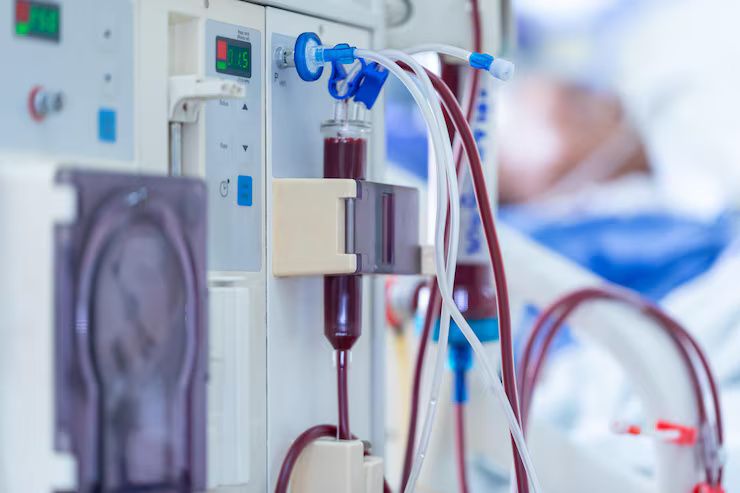
Modern dialysis machines combine medical engineering, fluid management systems, monitoring technologies, and digital controls to support safe and controlled treatment processes. Hemodialysis systems, peritoneal dialysis equipment, and emerging home-based technologies continue developing as healthcare systems focus on improving kidney care management.
Context
Understanding Dialysis Machines
Dialysis machines are medical devices that help remove waste materials and excess fluids from the blood when the kidneys cannot perform these functions effectively.
These machines are designed to replicate some kidney functions through specialized filtering processes. Dialysis does not replace every function of healthy kidneys, but it supports important aspects of blood purification and fluid regulation.
A typical dialysis machine includes:
| Component | Function |
|---|---|
| Blood pump | Moves blood through the dialysis system |
| Dialyzer | Filters waste products and excess substances |
| Fluid management system | Controls dialysis solution flow |
| Monitoring sensors | Tracks treatment conditions |
| Control interface | Allows healthcare professionals to manage settings |
| Safety systems | Helps monitor operational conditions |
How Hemodialysis Systems Work
Hemodialysis systems are one of the most common types of dialysis technology. They use a specialized filter called a dialyzer to clean the blood.
The general process includes:
- Blood is circulated from the patient through the dialysis equipment
- The blood passes through a filtering membrane
- Waste products and extra fluid move across the membrane
- Cleaned blood returns to the body
- The machine continues monitoring treatment conditions
Healthcare professionals adjust treatment settings based on individual medical needs.
Types of Dialysis Equipment
Different dialysis technologies are used depending on healthcare requirements.
| Dialysis Type | Main Function |
| Hemodialysis systems | Filter blood using an external dialysis machine |
| Peritoneal dialysis systems | Use the body’s abdominal lining as a filtering surface |
| Home dialysis equipment | Supports treatment in home environments under medical guidance |
| Automated dialysis systems | Uses programmed controls for treatment management |
Development of Renal Care Technologies
Renal care technologies have advanced significantly through improvements in medical engineering and digital monitoring.
Earlier dialysis equipment focused mainly on basic filtration functions. Modern systems include:
- Improved monitoring capabilities
- Automated controls
- Data recording systems
- Patient-focused design improvements
- Enhanced safety features
These developments have helped create more structured approaches to kidney care management.
Importance
Role of Dialysis in Kidney Care
Kidneys naturally filter waste products, maintain fluid balance, and support several important body processes. When kidney function declines significantly, dialysis may become part of a broader healthcare management approach.
Dialysis treatment technology supports:
- Waste removal from blood
- Fluid balance management
- Electrolyte regulation
- Ongoing kidney care planning
Treatment decisions depend on individual medical conditions and healthcare guidance.
Importance of Hemodialysis Systems
Hemodialysis systems are widely used in healthcare facilities because they provide controlled blood filtration through specialized equipment.
These systems help healthcare teams monitor:
- Blood flow
- Fluid removal
- Treatment duration
- Machine performance
- Patient response
Healthcare professionals manage dialysis sessions using medical assessments and established treatment procedures.
Role in Chronic Kidney Disease Management
Chronic kidney disease management often involves multiple healthcare approaches, including monitoring, lifestyle considerations, medication management, and renal replacement therapy when needed.
Dialysis may be included as part of care planning for individuals with advanced kidney impairment.
Comprehensive kidney care may involve:
- Regular health monitoring
- Laboratory testing
- Nutritional guidance
- Medical consultations
- Treatment adjustments
Healthcare Applications of Dialysis Machines
Dialysis machines are used in various healthcare environments.
Applications include:
Hospitals: Dialysis equipment supports patients requiring renal replacement therapy during medical care.
Dialysis Centers: Specialized facilities use hemodialysis systems for scheduled treatments.
Home Healthcare: Home dialysis technology allows certain individuals to receive treatment outside traditional healthcare facilities under professional guidance.
Emergency Care: Dialysis equipment may support specific emergency medical situations involving kidney-related complications.
Importance of Monitoring Systems
Modern dialysis machines include monitoring technologies that track important treatment conditions.
Monitoring systems may evaluate:
- Fluid movement
- Pressure levels
- Machine operation
- Treatment parameters
These technologies help healthcare teams manage dialysis procedures more effectively.
Recent Updates
Development of Advanced Dialysis Treatment Technology
Between 2024 and 2026, dialysis technology continued developing through improvements in automation, digital monitoring, and patient-focused equipment design.
Recent areas of development include:
- Automated treatment controls
- Improved monitoring systems
- Digital health integration
- Equipment connectivity
Growth of Home Dialysis Technology
Home dialysis technology has received increased attention as healthcare systems explore more flexible care approaches for eligible individuals.
Home-based systems may focus on:
- Compact equipment designs
- Remote monitoring capabilities
- Digital treatment tracking
- Patient education support
Medical evaluation and professional guidance remain important factors in determining suitability.
Progress in Portable Dialysis Machines
Portable dialysis machines continue being explored as researchers work toward more flexible renal care options.
Development areas include:
- Smaller device designs
- Improved mobility
- Battery technology
- Advanced filtration systems
Portable systems remain an area of ongoing research and development.
Integration of Digital Healthcare Technology
Digital healthcare technology is increasingly connected with dialysis equipment.
Digital systems may support:
- Treatment data recording
- Remote monitoring
- Equipment communication
- Healthcare coordination
These technologies contribute to more connected healthcare environments.
Expansion of Automated Dialysis Systems
Automated dialysis systems use programmed controls to manage certain treatment processes.
Automation may support:
- Fluid management
- Treatment monitoring
- Equipment adjustments
- Data collection
Healthcare professionals continue to oversee treatment decisions and patient care.
Laws or Policies
Medical Device Regulations
Dialysis machines are regulated medical devices that must meet safety and performance requirements established by healthcare authorities.
Regulatory areas may include:
- Equipment design standards
- Manufacturing quality
- Safety testing
- Clinical performance information
Requirements vary depending on regional healthcare regulations.
Healthcare Facility Standards
Facilities using dialysis equipment generally follow standards related to:
- Equipment maintenance
- Infection prevention
- Staff training
- Treatment procedures
These standards help support safe healthcare environments.
Infection Control Policies
Dialysis procedures involve medical equipment that interacts with blood and body fluids. Infection control practices are an important part of dialysis care.
Safety practices may include:
- Equipment cleaning procedures
- Sterile handling practices
- Environmental monitoring
- Staff safety protocols
Patient Data Protection
Modern dialysis equipment may collect health information through digital systems. Healthcare organizations must follow privacy requirements related to medical data.
Important areas include:
- Data security
- Patient confidentiality
- Authorized access
- Digital record management
Tools and Resources
Dialysis Monitoring Systems
Monitoring systems help healthcare teams track treatment conditions and equipment performance.
They may support:
- Treatment information recording
- Machine monitoring
- Data review
- Healthcare documentation
Electronic Health Record Systems
Electronic health record platforms help organize patient information related to kidney care.
They may include:
- Medical history
- Treatment records
- Laboratory information
- Healthcare notes
Kidney Health Education Resources
Educational resources help individuals understand:
- Kidney function
- Dialysis processes
- Treatment planning
- Kidney care management
Reliable sources may include healthcare organizations, medical institutions, and government health agencies.
Equipment Maintenance Tools
Maintenance systems help healthcare facilities manage dialysis equipment records.
They may support:
- Inspection scheduling
- Equipment history
- Maintenance documentation
- Safety checks
FAQs
What are dialysis machines used for?
Dialysis machines are used to support kidney function by helping remove waste products and excess fluids from the blood when kidneys cannot perform these functions effectively.
How do hemodialysis systems work?
Hemodialysis systems circulate blood through a specialized filter that removes waste products and extra fluid before returning the cleaned blood to the body.
What are renal care technologies?
Renal care technologies include medical equipment, monitoring systems, and treatment approaches designed to support kidney health management.
What is home dialysis technology?
Home dialysis technology refers to dialysis equipment designed for use outside traditional healthcare facilities under appropriate medical supervision.
How are automated dialysis systems used?
Automated dialysis systems use programmed controls and monitoring technologies to support certain treatment processes while healthcare professionals oversee care decisions.
Conclusion
Dialysis machines are important medical devices that support kidney care through advanced filtration technologies and monitoring systems. Hemodialysis systems, home dialysis technology, and other renal care technologies continue evolving through improvements in automation and digital healthcare integration. These developments are shaping modern approaches to renal replacement therapy and kidney care management. Understanding dialysis technology helps explain its important role in supporting individuals with serious kidney function challenges.