Edible oil processing equipment includes the machinery and systems used to extract, clarify, refine, modify, filter, and package oils derived from seeds, fruits, and other oil-bearing raw materials. Modern processing lines can combine mechanical equipment, thermal systems, filtration units, automation controls, and quality-monitoring technologies.
Edible oil processing equipment includes the machinery and systems used to extract, clarify, refine, modify, filter, and package oils derived from seeds, fruits, and other oil-bearing raw materials. Modern processing lines can combine mechanical equipment, thermal systems, filtration units, automation controls, and quality-monitoring technologies.
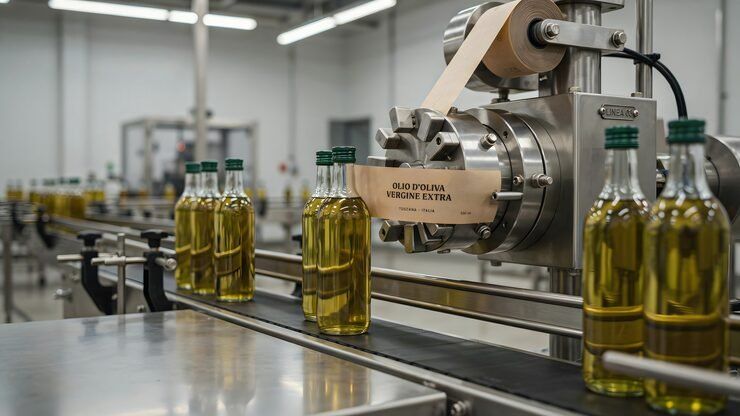
Depending on the raw material and desired oil characteristics, an edible oil processing plant may include preparation equipment, oil extraction machines, filtration systems, refining units, storage tanks, and packaging machinery.
What Is Edible Oil Processing Equipment?
Edible oil processing equipment refers to industrial machinery used throughout the transformation of oil-bearing raw materials into refined or processed edible oils.
Common raw materials include:
Soybeans
Sunflower seeds
Canola or rapeseed
Groundnuts
Sesame seeds
Corn
Palm-derived materials
Cottonseed
Coconut
Other oil-bearing crops
The equipment configuration varies according to the raw material, extraction method, production capacity, oil quality requirements, and refining process.
Main Edible Oil Processing Technologies
Seed Preparation
Before extraction, seeds may undergo cleaning, grading, dehulling, crushing, flaking, cooking, or conditioning.
Preparation helps improve material handling and can influence extraction performance.
Mechanical Oil Extraction
Mechanical extraction uses equipment such as screw presses or expellers to separate oil from prepared oil-bearing materials.
The process applies controlled mechanical pressure, producing crude oil and an oil-rich solid fraction.
Solvent Extraction
Large-scale operations may use solvent-based extraction systems to recover oil from prepared materials. Solvent extraction involves specialized extraction equipment, solvent recovery systems, evaporation units, and safety controls.
Filtration
Filtration systems remove suspended particles and other solids from crude or processed oil. Filter presses, cartridge filters, leaf filters, and other filtration technologies can be selected according to the application.
Oil Refining
Refining removes or reduces unwanted components from crude oil.
Typical refining stages can include:
Degumming
Neutralization
Bleaching
Deodorization
Winterization or dewaxing where applicable
Not every oil requires the same sequence, and process selection depends on the raw material and final product specifications.
Types of Edible Oil Processing Machines
| Machine Type | Primary Function | Typical Process Stage |
|---|---|---|
| Seed cleaner | Removes foreign materials | Raw material preparation |
| Oil expeller | Mechanical oil extraction | Extraction |
| Flaking machine | Reduces particle thickness | Seed preparation |
| Cooking or conditioning unit | Controls material condition | Pre-treatment |
| Filter press | Removes suspended solids | Clarification |
| Degumming system | Removes gums | Refining |
| Bleaching system | Reduces pigments and impurities | Refining |
| Deodorizer | Removes volatile compounds | Refining |
| Storage tank | Holds processed oil | Storage |
| Filling machine | Packages finished oil | Packaging |
Large facilities can integrate multiple machines into continuous or semi-continuous processing lines.
Edible Oil Production Process
A typical edible oil production process involves several interconnected stages.
1. Raw material cleaning: Seeds or other oil-bearing materials are cleaned to remove dust, stones, metal, and other unwanted materials.
2. Preparation: Depending on the feedstock, materials may be cracked, dehulled, crushed, flaked, or conditioned.
3. Extraction: Oil is separated through mechanical pressing, solvent extraction, or a combination of processes.
4. Crude oil clarification: Suspended solids and other materials are removed through settling, centrifugation, or filtration.
5. Refining: Appropriate refining operations are applied to achieve the required oil characteristics.
6. Final filtration: Additional filtration can improve clarity and remove remaining particles.
7. Storage: Processed oil is stored in appropriate tanks under controlled conditions.
8. Packaging: Finished oil can be filled into bottles, containers, pouches, or other packaging formats.
Automation in Edible Oil Processing
Modern edible oil plants can incorporate automation across extraction, refining, storage, and packaging operations.
PLC control systems can coordinate pumps, valves, motors, heaters, sensors, and other equipment. Temperature, pressure, flow, level, and other process parameters can be monitored through industrial control systems.
Automation can also support recipe management, batch tracking, alarm management, process data collection, and production monitoring.
Automated packaging systems may integrate bottle handling, filling, capping, labeling, inspection, and case packing.
Global Manufacturers and Suppliers
The edible oil processing equipment sector includes manufacturers of extraction machinery, refining systems, filtration equipment, heat-transfer systems, storage equipment, automation systems, and complete processing plants.
Companies such as Alfa Laval, GEA, Desmet, ANDRITZ, Crown Iron Works, CPM, and Dupps provide technologies or equipment used in oilseed processing and related applications.
Specialized engineering companies may also integrate extraction, refining, filtration, storage, utilities, controls, and packaging into application-specific processing plants.
When evaluating suppliers, manufacturers can examine processing capacity, feedstock compatibility, equipment materials, energy requirements, automation capabilities, maintenance requirements, process documentation, and integration experience.
Industrial Applications
Edible oil processing equipment is used in the production of many types of vegetable and plant-derived oils.
Vegetable Oil Production
Soybean, sunflower, rapeseed, corn, cottonseed, and other vegetable oils can require different processing configurations depending on their characteristics.
Specialty Oil Processing
Sesame, coconut, peanut, and other specialty oils may require customized preparation, extraction, filtration, or refining processes.
Food Manufacturing
Processed edible oils are used as ingredients in bakery products, snacks, sauces, prepared foods, frying operations, and other food applications.
Biodiesel and Co-Processing
Oilseed processing infrastructure can also generate raw materials and by-products used in other industrial processing applications, although edible oil production requires processes appropriate for food-grade products.
How to Select Edible Oil Processing Equipment
Selecting equipment requires an evaluation of the complete production process.
1. Identify the feedstock: Determine the seed, fruit, or other raw material being processed.
2. Define production capacity: Establish daily throughput, batch size, and required operating schedule.
3. Select the extraction method: Compare mechanical pressing, solvent extraction, or combined approaches according to the application.
4. Determine refining requirements: Identify whether degumming, neutralization, bleaching, deodorization, winterization, or other treatments are required.
5. Evaluate construction materials: Consider corrosion resistance, hygiene requirements, temperature, and chemical exposure.
6. Assess automation: Determine requirements for PLC control, sensors, process monitoring, data recording, and automated valves.
7. Review energy and maintenance: Examine heating, cooling, electrical consumption, cleaning, spare components, and maintenance access.
Frequently Asked Questions
What is edible oil processing equipment?
It is industrial machinery used for preparing oil-bearing materials, extracting oil, clarifying crude oil, refining it, filtering it, storing it, and packaging finished products.
What machines are used to process edible oil?
Common equipment includes seed cleaners, crushers, flakers, cookers, oil expellers, filtration systems, refining units, deodorization equipment, storage tanks, and filling machines.
What is the difference between oil extraction and oil refining?
Extraction separates oil from the raw material, while refining processes crude oil to remove or reduce components that affect its desired characteristics.
Can edible oil processing plants be automated?
Yes. PLCs, sensors, automated valves, pumps, process-control systems, and packaging automation can be integrated into many modern edible oil processing facilities.
How do manufacturers select edible oil processing equipment?
Selection depends on feedstock, production capacity, extraction technology, refining requirements, product specifications, automation needs, energy requirements, and equipment materials.
Conclusion
Edible oil processing equipment forms the foundation of industrial oil production, from raw-material preparation and extraction to refining, filtration, storage, and packaging. Different oilseeds and plant materials require different combinations of machinery and processing technologies.
Modern facilities can integrate mechanical extraction, filtration, refining, automation, process monitoring, and packaging into coordinated production systems. Selecting suitable equipment requires careful consideration of feedstock characteristics, capacity, process requirements, product specifications, energy consumption, maintenance, and automation.