Electric power converters are electronic systems that transform electrical energy from one voltage, current, frequency, or waveform into another form required by a load or electrical system. They are fundamental components in industrial equipment, renewable energy systems, electric vehicles, data centers, telecommunications, automation, and modern power infrastructure.
By using power semiconductor devices, control circuits, magnetic components, capacitors, and digital control systems, electric power converters can regulate and transform electrical power with high precision. Understanding converter types, power electronics technologies, manufacturing processes, and applications helps engineers select suitable systems for different electrical requirements.
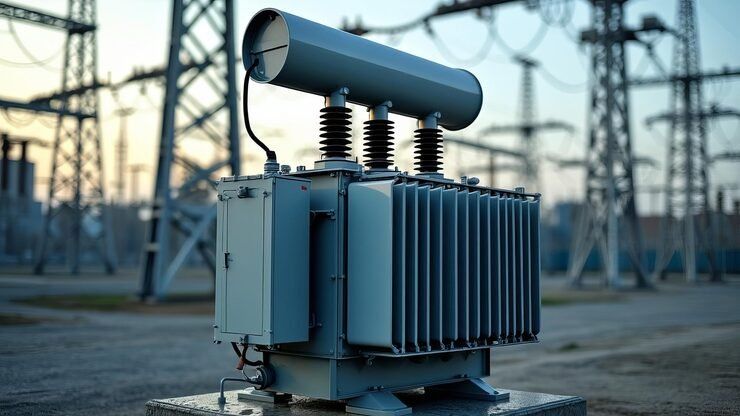
Why Electric Power Converters Matter
Electrical equipment does not always operate directly from the available power source. A machine may require a different voltage, an AC supply may need to be converted to DC, or a battery may need controlled power delivery to a motor.
Electric power converters address these requirements by controlling how electrical energy moves between the source and load.
Common functions include:
Voltage conversion
AC-to-DC conversion
DC-to-DC conversion
DC-to-AC conversion
Frequency conversion
Power regulation
Energy flow control
Electrical isolation
Converter performance can influence efficiency, reliability, thermal performance, power quality, and equipment operation.
Types of Electric Power Converters
Electric power converters are generally classified according to the type of input and output electrical power.
AC-DC Converters
AC-DC converters transform alternating current into direct current. They are commonly used in power supplies, industrial electronics, battery charging systems, telecommunications equipment, and control systems.
Rectifier circuits are a fundamental part of many AC-DC converter architectures.
DC-DC Converters
DC-DC converters change one DC voltage level into another. They can step voltage up, step it down, or provide regulated output.
Common applications include battery systems, embedded electronics, electric vehicles, telecommunications, and renewable energy equipment.
DC-AC Converters
DC-AC converters, commonly known as inverters, transform direct current into alternating current.
They are widely used in solar photovoltaic systems, battery energy storage, variable-speed drives, uninterruptible power systems, and electric vehicles.
AC-AC Converters
AC-AC converters modify an AC supply's voltage, frequency, or waveform. They are used in motor drives, industrial heating, power conditioning, and other electrical systems.
Power Electronics Technologies
Modern electric power converters depend on power semiconductor technologies that can switch electrical energy rapidly and efficiently.
Power Semiconductor Devices
Devices such as MOSFETs, IGBTs, diodes, and thyristors are used in different converter architectures.
The appropriate semiconductor depends on voltage, current, switching frequency, efficiency, thermal requirements, and application.
Silicon Carbide
Silicon carbide (SiC) power devices can support high-voltage and high-temperature applications and can enable higher switching frequencies in suitable converter designs.
Gallium Nitride
Gallium nitride (GaN) devices are increasingly used in high-frequency power conversion applications where compact size and switching performance are important.
Digital Control
Microcontrollers, digital signal processors, and programmable control systems can regulate switching behavior and respond to changing electrical conditions.
Advanced control systems can monitor voltage, current, temperature, and other operating parameters.
Electric Power Converter Manufacturing Process
Manufacturing electric power converters involves electrical, mechanical, thermal, and control-system assembly.
1. Circuit and System Design
Engineers define input and output requirements, power ratings, switching architecture, control strategy, protection functions, and thermal requirements.
2. Component Selection
Power semiconductors, capacitors, inductors, transformers, sensors, controllers, connectors, and other components are selected according to the converter's specifications.
3. PCB Manufacturing
Printed circuit boards provide electrical and mechanical connections between control electronics and other components. High-power systems may use specialized PCB designs and layouts to manage current and thermal requirements.
4. Power Module Assembly
Power semiconductor devices and related components are assembled into the converter architecture. Thermal interfaces may be incorporated to transfer heat toward heat sinks or cooling systems.
5. Enclosure and Cooling
The converter housing protects internal components and supports thermal management. Depending on power level, systems may use natural convection, forced-air cooling, liquid cooling, or other thermal technologies.
6. Testing and Validation
Finished converters undergo electrical and functional testing. Testing may evaluate output voltage, current, efficiency, thermal behavior, protection functions, switching performance, and insulation characteristics.
Key Electric Power Converter Specifications
Several specifications should be evaluated when comparing converter systems.
| Specification | Why It Matters |
|---|---|
| Input Voltage | Defines compatible power sources |
| Output Voltage | Determines load compatibility |
| Power Rating | Establishes supported load capacity |
| Efficiency | Influences energy losses and heat |
| Switching Frequency | Affects size and performance |
| Isolation | Determines electrical separation |
| Cooling Method | Controls thermal performance |
| Protection Features | Helps manage abnormal conditions |
| Communication | Enables monitoring and control |
The correct specification depends on the intended application and electrical architecture.
Electric Power Converter Manufacturing Technologies
Manufacturers use several technologies to improve converter efficiency, reliability, and compactness.
Surface-mount assembly supports compact control electronics and automated PCB production.
Power module packaging allows high-current semiconductor devices to be integrated with appropriate electrical and thermal interfaces.
Thermal management technologies help remove heat generated during switching and power conversion.
Automated testing systems can evaluate electrical characteristics and production consistency across large manufacturing volumes.
Industrial Applications
Electric power converters are used across a broad range of industries.
Industrial Automation
Variable-frequency drives and motor-control systems use power conversion to regulate motor speed and torque.
Renewable Energy
Solar photovoltaic systems use inverters to convert DC electricity into AC power suitable for electrical networks or local loads.
Energy Storage
Battery energy storage systems use bidirectional power converters to manage charging and discharging between batteries and electrical networks.
Electric Vehicles
Electric vehicles use several power conversion systems, including traction inverters, onboard chargers, and DC-DC converters.
Data Centers
Power conversion systems are used in uninterruptible power supplies and other power-management equipment to maintain controlled electrical power.
Telecommunications
DC power systems and converters provide regulated power for communications infrastructure and electronic equipment.
Industrial Power Supplies
Manufacturing equipment, robotics, control systems, and instrumentation often require regulated DC power generated through conversion systems.
How to Choose an Electric Power Converter
Choosing an appropriate converter begins with defining the electrical and environmental requirements.
Identify the input source — Determine whether the available supply is AC or DC and establish its voltage range.
Define the output requirement — Specify output voltage, current, frequency, and waveform requirements.
Determine power rating — Calculate the continuous and peak power required by the load.
Evaluate efficiency — Higher efficiency can reduce energy losses and thermal requirements.
Check operating conditions — Consider ambient temperature, humidity, vibration, dust, and installation location.
Review protection features — Look for appropriate overvoltage, overcurrent, short-circuit, and thermal protection.
Consider control and communication — Industrial applications may require digital monitoring or integration with automation systems.
Electric Power Converter Cost Factors
Electric power converter cost varies according to power rating, topology, semiconductor technology, cooling system, enclosure, control electronics, isolation requirements, and production volume.
Other factors can include:
Input and output specifications
Semiconductor technology
Power density
Thermal management
Custom engineering
Communication interfaces
Protection systems
Certification requirements
Environmental protection
Production quantity
A compact low-power converter and a high-voltage industrial power conversion system can therefore have substantially different engineering and manufacturing requirements.
Frequently Asked Questions
What is an electric power converter?
An electric power converter is an electronic system that changes electrical energy from one voltage, current, frequency, or waveform into another form required by an electrical load.
What are the four main types of power converters?
The four broad categories are AC-DC, DC-DC, DC-AC, and AC-AC converters. Each performs a different type of electrical energy conversion.
What is the difference between an inverter and a converter?
An inverter specifically converts DC power into AC power. The term converter is broader and can refer to systems that perform several types of electrical power conversion.
What affects electric power converter cost?
Power rating, semiconductor technology, efficiency, cooling, control electronics, isolation, enclosure requirements, protection features, and customization can influence overall cost.
Where are electric power converters used?
They are used in industrial automation, renewable energy, electric vehicles, battery storage, telecommunications, data centers, motor drives, and many electronic power systems.
Conclusion
Electric power converters provide the controlled electrical transformation required by modern industrial and electronic systems. From AC-DC and DC-DC converters to inverters and AC-AC systems, different converter architectures address different voltage, frequency, current, and power requirements.
Advances in SiC and GaN semiconductors, digital control, thermal management, and power module technologies are expanding the capabilities of modern conversion systems.
When selecting a converter, engineers should evaluate input and output requirements, power rating, efficiency, thermal conditions, protection functions, isolation, control capabilities, and application-specific requirements. This approach provides a practical foundation for selecting a power conversion system that fits the intended electrical environment.