Fire detection systems are safety systems designed to identify the early signs of fire, such as smoke, heat, or flames, and provide timely alerts to building occupants and facility managers. These systems play an important role in protecting people, buildings, equipment, and business operations by detecting fire-related conditions before they become more severe.
Modern fire detection systems combine advanced detection technologies, intelligent control panels, communication networks, and monitoring solutions. They are widely used in commercial buildings, manufacturing facilities, hospitals, schools, hotels, warehouses, shopping centers, transportation infrastructure, and office complexes. As smart building technologies continue to develop, fire detection systems are increasingly integrated with building automation, emergency communication, and remote monitoring platforms.
Context
What Are Fire Detection Systems?
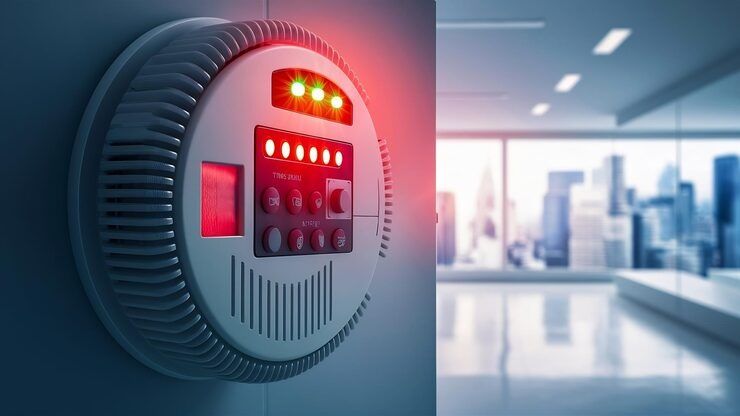
A fire detection system is an integrated network of detectors, control equipment, alarms, and communication devices that continuously monitors a building for signs of fire. When smoke, excessive heat, or flames are detected, the system activates audible and visual alarms to notify occupants and designated personnel.
Modern systems are designed to detect different fire conditions depending on the environment and potential hazards.
Typical system components include:
- Smoke detectors
- Heat detectors
- Flame detectors
- Fire alarm control panel
- Manual call points
- Alarm sounders
- Visual notification devices
- Communication modules
Together, these components create a coordinated fire detection network.
How Fire Detection Technologies Work
Fire detection technologies continuously monitor environmental conditions.
The general operating sequence includes:
- Detectors monitor the surrounding environment.
- Smoke, heat, or flame sensors identify abnormal conditions.
- Information is transmitted to the fire alarm control panel.
- The control panel evaluates the incoming signals.
- Audible and visual alarms are activated.
- Monitoring systems notify designated personnel when applicable.
This process helps provide early warning during fire-related events.
Types of Fire Detection Systems
Different buildings require different fire detection technologies.
| Detection System | Primary Function | Typical Applications |
|---|---|---|
| Conventional Fire Alarm System | Monitors grouped detection zones | Small commercial buildings |
| Addressable Fire Alarm System | Identifies individual detector locations | Large commercial facilities |
| Smoke Detection System | Detects smoke particles | Offices and public buildings |
| Heat Detection System | Detects temperature increases | Industrial facilities |
| Flame Detection System | Detects visible or infrared flames | Fuel storage and process industries |
| Aspirating Smoke Detection System | Samples air for early smoke detection | Data centers and clean rooms |
Each system is selected according to building design, occupancy, and operational requirements.
Main Safety Equipment
A typical fire detection installation includes:
- Smoke detectors
- Heat detectors
- Flame detectors
- Fire alarm control panel
- Notification appliances
- Emergency communication equipment
- Power supply
- Backup battery
Each component contributes to the overall safety system.
Importance
Why Fire Detection Systems Matter
Fire incidents can develop rapidly, making early detection important for protecting occupants and supporting emergency response procedures. Fire detection systems continuously monitor buildings without requiring constant manual observation.
Early notification allows building occupants to follow established emergency procedures and enables facility personnel to respond according to emergency plans.
Supporting Building Safety
Fire detection technologies support several safety functions.
Common applications include:
- Occupant notification
- Equipment monitoring
- Building evacuation support
- Fire alarm activation
- System status monitoring
- Emergency communication
- Incident recording
- Integration with safety equipment
These functions contribute to organized emergency response.
Commercial Applications
Fire detection systems are widely used in many environments.
Commercial Buildings: Offices, retail centers, hotels, and public facilities use fire detection systems to monitor occupied spaces.
Manufacturing: Production facilities monitor machinery areas, storage locations, and process equipment where elevated temperatures or combustible materials may be present.
Healthcare Facilities: Hospitals and medical centers use detection systems to protect patients, staff, and critical equipment.
Educational Institutions: Schools, universities, and training centers install fire detection systems throughout classrooms, laboratories, and public areas.
Warehouses: Storage facilities monitor inventory areas, loading zones, and electrical rooms to support fire safety.
Advantages of Modern Monitoring Solutions
Modern fire detection systems provide several operational benefits.
These include:
- Continuous monitoring
- Early detection capability
- Centralized alarm management
- Integration with building systems
- Event recording
- Remote system monitoring
Performance depends on proper system design, installation, inspection, and maintenance.
Recent Updates
Smart Fire Detection
Between 2024 and 2026, fire detection systems have increasingly incorporated intelligent sensors capable of analyzing multiple environmental conditions. These technologies help improve detection accuracy while reducing unnecessary alarm activations.
Artificial Intelligence Integration
Artificial intelligence is increasingly used to evaluate information from multiple detectors and identify patterns associated with developing fire conditions. AI supports system analysis while emergency decisions remain under human supervision.
Remote Monitoring
Modern monitoring solutions increasingly connect fire alarm systems with secure communication platforms that allow authorized personnel to review system status, alarm events, and maintenance information remotely.
Building Automation Integration
Many commercial facilities now integrate fire detection systems with:
- Building management systems
- Emergency lighting
- Smoke control systems
- Access control systems
- Elevator control
- HVAC management
These integrated systems coordinate building responses during emergency situations.
Improved Sensor Technologies
Manufacturers continue improving smoke, heat, and flame detection technologies through enhanced sensing methods, digital signal processing, and environmental compensation techniques.
Laws or Policies
Building Fire Safety Regulations
Commercial buildings generally follow national and local building regulations that specify where fire detection equipment is required, how systems should be installed, and how they should be maintained.
Requirements vary depending on occupancy type, building size, and local regulations.
Fire Alarm Standards
Fire detection equipment is commonly designed and installed according to recognized fire safety standards covering detector performance, alarm operation, testing, and system reliability.
Electrical Safety Standards
Fire alarm equipment follows electrical safety standards governing wiring, power supplies, grounding, equipment protection, and system installation.
Inspection and Maintenance Requirements
Many jurisdictions require periodic inspection, functional testing, and maintenance of fire detection systems to help ensure continued operation throughout the life of the installation.
Tools and Resources
Fire Alarm Management Software
Fire alarm software allows authorized personnel to monitor:
- Detector status
- Alarm history
- Device condition
- System events
- Maintenance records
- Fault notifications
These platforms support system management and documentation.
Building Management Systems
Building management platforms integrate fire detection with other building technologies, allowing centralized monitoring of multiple building systems.
Computer-Aided Design Software
Engineering software supports:
- Fire detection layouts
- Device placement
- Electrical design
- System documentation
- Installation planning
These tools assist during project development.
Inspection and Testing Equipment
Specialized testing equipment is used during installation and routine inspections to verify detector operation, alarm functions, and system performance.
Educational Resources
People interested in fire detection systems often learn from:
- Fire protection engineering organizations
- Building safety publications
- Electrical engineering associations
- International standards organizations
- Emergency management resources
- Technical education platforms
These resources explain detection technologies, safety equipment, monitoring solutions, and commercial applications.
FAQs
What is a fire detection system?
A fire detection system is a network of detectors, alarms, and control equipment that monitors buildings for smoke, heat, or flames and activates alerts when fire-related conditions are detected.
What are the main types of fire detection technologies?
Common fire detection technologies include smoke detection, heat detection, flame detection, and aspirating smoke detection systems, each designed for specific environments and applications.
Where are fire detection systems commonly used?
Fire detection systems are widely used in commercial buildings, manufacturing facilities, hospitals, schools, warehouses, hotels, transportation facilities, and office complexes.
How do fire monitoring solutions improve building safety?
Fire monitoring solutions continuously observe detector status, record system events, support alarm management, and help building personnel monitor fire safety equipment from centralized platforms.
Why are fire detection systems important in commercial applications?
Fire detection systems provide early notification of potential fire conditions, support emergency procedures, assist building management, and integrate with other safety systems to improve overall facility protection.
Conclusion
Fire detection systems are an essential part of modern building safety, combining advanced detection technologies, intelligent monitoring solutions, and integrated alarm systems to identify potential fire conditions at an early stage. By connecting detectors, control panels, and communication networks, these systems support effective monitoring across commercial and industrial environments. As digital building technologies continue to evolve, fire detection systems remain a key component of comprehensive life safety and facility management.