
Grain plays an important role in food production, animal nutrition, agriculture, and numerous industrial applications.
Before grain reaches storage facilities, processing plants, mills, or distribution centers, it passes through several handling stages. Each stage requires appropriate equipment to move, clean, condition, separate, or store grain efficiently.
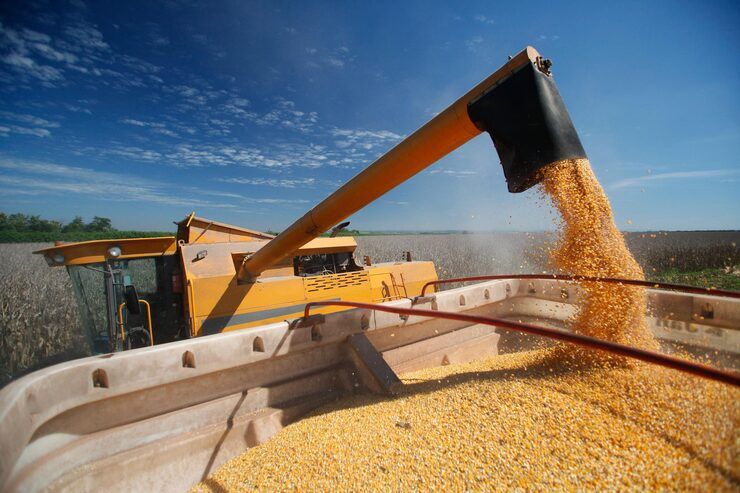
Modern grain handling equipment combines mechanical movement, controlled processing, monitoring, and storage technologies to support consistent material flow. Understanding how these systems work can help agricultural operators, processing facilities, engineers, and equipment users make informed decisions about grain movement and processing requirements.
What Is Grain Handling Equipment?
Grain handling equipment refers to machinery and supporting components used to receive, move, clean, elevate, distribute, process, and manage grains. Common materials include wheat, corn, rice, barley, oats, sorghum, soybeans, and other agricultural grains.
A grain handling setup can range from a small collection of machines to a fully integrated system connecting receiving areas, storage bins, cleaning equipment, processing units, and loading points.
The primary objectives are to maintain controlled grain movement, reduce unnecessary handling, protect grain quality, and create an organized flow between different processing stages.
Key Components of Grain Handling Systems
A modern grain handling system usually contains several interconnected components. The exact configuration depends on grain type, facility layout, throughput requirements, and processing objectives.
Grain Conveyors
Conveyors move grain horizontally or across relatively short distances. Belt conveyors, chain conveyors, and screw conveyors are commonly used for different material characteristics and operating conditions.
Belt conveyors can provide gentle movement for many grain products, while screw conveyors are useful when controlled movement through enclosed sections is required. Chain conveyors can handle substantial material loads and are often incorporated into larger grain movement systems.
Bucket Elevators
Bucket elevators transport grain vertically. A series of buckets attached to a belt or chain collects grain at the lower section and carries it upward before discharging it at the desired location.
Vertical elevation is essential in facilities where grain must move between ground-level receiving points, storage structures, cleaning equipment, and processing stages.
Grain Augers
Grain augers use a rotating screw mechanism to move grain through a tube or trough. They are frequently used for loading, unloading, transferring, and positioning grain.
Their relatively straightforward operating principle makes them useful in agricultural and processing environments. However, equipment selection should consider grain characteristics and the required conveying distance because excessive movement can affect grain condition.
Grain Cleaners
Cleaning equipment removes unwanted materials such as dust, plant fragments, stones, foreign seeds, and other contaminants. Cleaning may occur before storage or before additional processing.
Screens, aspiration systems, magnets, and specialized separation mechanisms can be combined depending on the material being handled. Proper cleaning contributes to more consistent downstream processing.
Understanding Grain Processing Machinery
Grain processing machinery performs operations that go beyond simply moving material. Depending on the grain and intended application, processing can include cleaning, drying, conditioning, milling, grinding, sorting, and size reduction.
For example, milling equipment transforms cleaned grain into flour, meal, or other processed forms. Grinding equipment reduces particle size for applications where finer or more uniform material is required.
Processing equipment must be selected according to grain properties, moisture levels, desired particle size, capacity requirements, and the characteristics of the final product.
The Role of Grain Conveying Equipment
Grain conveying equipment creates the connection between different stages of a handling operation. Without an organized conveying arrangement, grain may require repeated manual movement or inefficient transfer methods.
A well-planned conveying layout can connect:
- Receiving areas to cleaning equipment
- Cleaning units to storage structures
- Storage bins to processing machinery
- Processing units to intermediate storage
- Storage areas to loading or packaging points
The choice of conveying technology depends on distance, elevation, grain characteristics, required movement rate, available space, and the need to minimize material damage.
Grain Storage and Material Flow
Storage is closely connected to grain handling. Grain bins, silos, hoppers, and related structures provide controlled locations for holding material between processing stages.
Efficient grain flow requires attention to inlet and outlet arrangements, bin design, material characteristics, moisture management, and airflow. Poor material flow can contribute to bridging, blockages, uneven discharge, or localized accumulation.
Modern systems may incorporate level monitoring and automated controls to provide information about grain movement and storage conditions. These technologies can help operators identify irregularities before they interrupt the wider handling process.
Grain Drying and Conditioning
Moisture has a major influence on grain quality and storage stability. Grain that enters storage with unsuitable moisture conditions may experience deterioration or other quality concerns.
Grain dryers use controlled heat and airflow to reduce moisture. Different drying configurations are designed for different grain types, capacities, and operating requirements.
Conditioning can also prepare grain for subsequent processing. For example, controlled moisture adjustment may influence how grain behaves during milling or separation. The appropriate approach depends on the grain type and intended processing stage.
Automation in Modern Grain Handling Machinery
Automation has become an important part of modern grain handling systems. Sensors, programmable controls, monitoring devices, and automated conveyors can coordinate material movement across multiple stages.
Automation may monitor factors such as:
- Grain level
- Equipment operation
- Material flow
- Temperature
- Moisture
- Motor conditions
- Blockages or abnormal operating conditions
Centralized control systems can provide operators with a clearer view of the overall process. Automation does not eliminate the need for inspection and maintenance, but it can improve process visibility and support more consistent operation.
Factors to Consider When Selecting Equipment
Choosing grain handling machinery requires an understanding of the complete material flow rather than focusing on one machine alone.
Important considerations include grain type, moisture content, bulk density, particle characteristics, required throughput, conveying distance, elevation changes, facility dimensions, and processing objectives.
Equipment compatibility is equally important. Conveyors, elevators, cleaners, dryers, storage structures, and processing machines should work together as part of a coordinated system.
Maintenance requirements should also be considered. Accessible components, inspection points, replacement parts, lubrication requirements, and cleaning procedures can influence long-term equipment usability.
Grain Handling Equipment and Grain Quality
Handling practices can influence the physical condition of grain. Excessive drops, unsuitable conveying speeds, repeated transfers, and poorly configured equipment may increase grain damage.
Gentle material movement is particularly important for grains that are susceptible to cracking or breakage. Equipment design should therefore consider transfer heights, conveying methods, operating speeds, and the number of handling stages.
Reducing unnecessary transfers can simplify the material path while helping maintain more consistent grain movement.
Maintenance and Operational Considerations
Regular inspection is essential for grain handling equipment. Conveyors, elevators, augers, bearings, belts, chains, motors, screens, sensors, and discharge points can all require periodic attention.
Operators should monitor unusual vibration, noise, temperature changes, material accumulation, belt tracking problems, and changes in conveying performance.
Cleaning is also important because dust and residual grain can accumulate around equipment. Appropriate housekeeping and dust-control practices contribute to a safer and more controlled working environment.
Frequently Asked Questions
What does grain handling equipment do?
Grain handling equipment moves, elevates, cleans, stores, dries, conditions, and processes grain between different stages of agricultural and industrial operations.
What is the difference between grain handling and grain processing?
Grain handling primarily focuses on receiving, moving, elevating, transferring, and storing grain. Grain processing involves physical or mechanical changes such as cleaning, drying, milling, grinding, or separation.
Which equipment is used to move grain vertically?
Bucket elevators are commonly used for vertical grain movement. They can transfer grain between different elevations while connecting multiple stages of a handling system.
Why is grain cleaning important?
Cleaning removes foreign materials and unwanted particles before storage or further processing. This helps prepare grain for subsequent operations and supports more consistent material quality.
Conclusion
Modern grain handling equipment forms the infrastructure that connects agricultural grain receiving, storage, cleaning, conditioning, and processing operations. Conveyors, bucket elevators, augers, cleaners, dryers, storage systems, sensors, and automated controls can work together to create an organized material flow.
Understanding the function of each component makes it easier to evaluate how grain handling systems operate as a complete process. By considering grain characteristics, material flow, equipment compatibility, maintenance, storage conditions, and processing objectives, facilities can develop handling arrangements that support reliable and controlled grain movement from receiving through processing.