
Hotel management courses prepare students for careers in the global hospitality industry by combining theoretical knowledge with practical training in hotel operations, customer service, tourism, food and beverage management, and business administration. These programs develop the technical, communication, leadership, and organizational skills required to manage hotels, resorts, restaurants, event venues, and other hospitality businesses.
Modern hospitality education has expanded beyond traditional hotel operations to include digital reservation systems, sustainable tourism, revenue management, event planning, international hospitality standards, and guest experience management. As the travel and tourism sector continues to grow, hotel management education plays an important role in developing professionals capable of working in diverse hospitality environments.
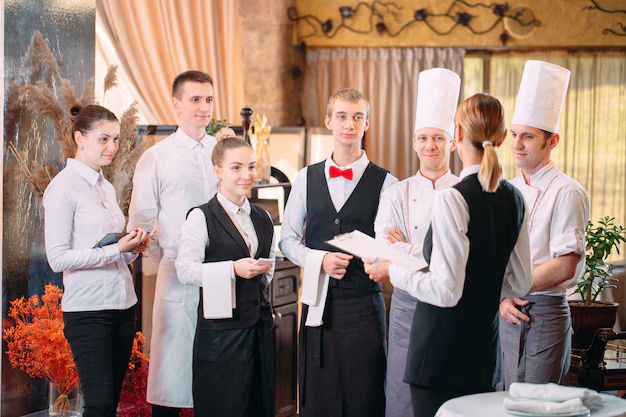
This guide explains hotel management courses, their curriculum, career opportunities, and the hospitality industry sectors where graduates can build rewarding careers.
What Is a Hotel Management Course?
A hotel management course is an educational program that teaches students how hospitality businesses operate. The curriculum combines business management principles with practical hospitality training, enabling students to manage accommodation services, food operations, guest relations, housekeeping, events, and tourism activities.
Programs may be available as diploma, undergraduate, postgraduate, or professional certification courses depending on educational goals.
A typical hotel management curriculum includes several important subjects:
- Front office operations
- Food and beverage management
- Housekeeping management
- Hospitality marketing
- Tourism management
- Event management
- Hospitality accounting
- Customer service
- Business communication
Together, these subjects prepare students for various roles within the hospitality industry.
Why Study Hotel Management?
Hospitality is one of the world's largest service industries and offers diverse career pathways across multiple sectors.
Hotel management education helps students develop professional knowledge, communication skills, leadership abilities, and operational expertise required in customer-focused environments.
Some important advantages include:
- Broad hospitality knowledge
- Practical industry skills
- Leadership development
- International career opportunities
- Strong communication abilities
These benefits make hotel management suitable for individuals interested in hospitality, tourism, and service management.
Curriculum of a Hotel Management Course
The curriculum combines classroom learning with practical hospitality training.
Front Office Management
Students learn reservation procedures, guest registration, reception operations, customer service, and hotel management software.
Food and Beverage Management
This subject covers restaurant operations, menu planning, service techniques, kitchen coordination, hygiene standards, and hospitality operations.
Housekeeping Management
Students study room maintenance, cleaning procedures, inventory management, linen operations, and accommodation standards.
Hospitality Marketing
Marketing principles help students understand customer behavior, digital promotion, branding, and hospitality business development.
Tourism Management
Tourism studies introduce destination management, travel operations, visitor services, and tourism industry practices.
Hospitality Finance
Students learn budgeting, financial reporting, operational planning, and hospitality accounting principles.
Human Resource Management
This subject explains recruitment, employee training, leadership, teamwork, and organizational management within hospitality businesses.
Practical Training Components
Practical experience forms an important part of hotel management education.
Laboratory Training
Students practice food production, front office procedures, housekeeping operations, and restaurant service in simulated environments.
Industry Internships
Many programs include internships that allow students to gain practical experience in hotels, resorts, restaurants, or tourism organizations.
Event Management Projects
Students organize hospitality events, conferences, banquets, and special functions to develop planning and coordination skills.
Customer Service Practice
Training focuses on communication, guest interaction, problem-solving, and professional hospitality standards.
Hospitality Industry Sectors
Hotel management graduates can work across numerous hospitality sectors.
Hotels
Hotels employ professionals in front office operations, guest services, food production, housekeeping, sales, and administration.
Resorts
Resorts combine accommodation with recreation, wellness, entertainment, and tourism services.
Restaurants
Restaurant management includes operations, food service, customer experience, inventory control, and team coordination.
Event Management
Hospitality professionals organize conferences, exhibitions, weddings, corporate events, and social celebrations.
Tourism Organizations
Travel and tourism companies require hospitality professionals for guest services, destination management, and tour coordination.
Cruise Hospitality
Cruise operations provide hospitality careers involving accommodation, food service, entertainment, and guest relations.
Career Opportunities
Hotel management graduates can pursue careers in many hospitality-related fields.
Front Office Executive
Responsible for guest reception, reservations, check-in, check-out, and customer assistance.
Food and Beverage Supervisor
Coordinates restaurant operations, dining services, and customer satisfaction.
Housekeeping Executive
Manages accommodation standards, room maintenance, and housekeeping operations.
Event Coordinator
Plans and manages conferences, weddings, exhibitions, and hospitality events.
Hospitality Sales Executive
Supports business development, customer relationships, and hospitality marketing activities.
Resort Operations Coordinator
Assists in managing daily resort activities, guest services, recreation, and accommodation operations.
Comparison of Hospitality Career Areas
Different hospitality sectors offer diverse responsibilities.
| Career Area | Primary Focus | Typical Workplace | Main Responsibilities |
|---|---|---|---|
| Front Office | Guest services | Hotels | Reservations and reception |
| Food & Beverage | Dining operations | Hotels, restaurants | Restaurant management |
| Housekeeping | Accommodation | Hotels, resorts | Room operations |
| Event Management | Event planning | Resorts, venues | Conferences and celebrations |
| Tourism | Visitor services | Travel organizations | Travel coordination |
| Resort Operations | Guest experience | Resorts | Hospitality management |
Technology in Modern Hospitality Education
Technology plays an increasingly important role in hotel management training.
Property Management Systems
Students learn software used for reservations, guest records, room allocation, and billing.
Online Reservation Platforms
Digital booking systems help manage room availability and customer reservations.
Customer Relationship Management
CRM platforms improve guest communication, service quality, and customer retention.
Data Analytics
Hospitality businesses increasingly use analytics to understand customer preferences, occupancy trends, and operational performance.
Skills Developed Through Hotel Management Courses
Hospitality education develops both technical and interpersonal skills.
Important skills include:
- Communication
- Leadership
- Teamwork
- Customer service
- Problem-solving
These skills are valuable across many hospitality and tourism careers.
Challenges in Hospitality Careers
Hospitality professionals often work in fast-paced environments requiring flexibility and strong interpersonal skills.
Seasonal demand, shift-based schedules, high guest expectations, multicultural workplaces, and changing tourism trends require continuous learning and adaptability.
Professional development, effective communication, and practical experience help individuals succeed within the hospitality industry.
Recent Developments (2024–2026)
Hospitality education continues evolving alongside technological innovation and changing traveler expectations.
Many institutions now include digital hospitality platforms, revenue management software, sustainable tourism practices, artificial intelligence applications, and customer experience technologies within their curriculum. Virtual simulations, online learning platforms, and smart hospitality laboratories are becoming increasingly common.
Growing emphasis is also being placed on environmental sustainability, wellness tourism, inclusive hospitality practices, and digital guest engagement. These developments prepare graduates for modern hospitality environments that increasingly combine technology with personalized customer experiences.
Hospitality Standards and Professional Practices
Hospitality education emphasizes professional conduct and industry standards.
Important practices include:
- Guest privacy and confidentiality
- Food safety and hygiene
- Professional communication
- Workplace safety procedures
- Ethical customer service
Understanding these standards helps graduates provide consistent and professional hospitality services.
Tools and Resources
Several digital tools support hospitality education and operations.
Common resources include:
- Property management software
- Reservation systems
- Hospitality learning platforms
- Revenue management tools
- Customer relationship management software
- Event planning applications
These technologies improve operational efficiency while supporting modern hospitality management.
Frequently Asked Questions
What is a hotel management course?
A hotel management course teaches hospitality operations, guest services, food and beverage management, tourism, event planning, and business management.
What subjects are included in hotel management?
Common subjects include front office operations, housekeeping, food and beverage management, hospitality marketing, tourism, finance, and customer service.
Is practical training included?
Yes. Many programs include laboratory sessions, internships, industry projects, and practical hospitality experience.
Which industries employ hotel management graduates?
Graduates work in hotels, resorts, restaurants, tourism companies, event management organizations, cruise hospitality, and other service industries.
What skills are important in hotel management?
Communication, leadership, teamwork, customer service, organizational abilities, and problem-solving are among the most important skills.
Future Trends in Hotel Management Education
Hospitality education continues advancing through digital transformation and sustainable tourism practices.
Future programs are expected to incorporate artificial intelligence, smart hotel technologies, data-driven guest experience management, virtual reality training, and greater emphasis on sustainability. Personalized learning platforms and global hospitality collaborations will further enhance practical education and industry readiness.
As international tourism and hospitality continue to expand, hotel management courses will remain an important pathway for developing professionals capable of leading modern hospitality organizations.
Conclusion
Hotel management courses provide comprehensive education in hospitality operations, customer service, business management, and tourism. Through a combination of classroom learning, practical training, and industry experience, students develop the knowledge and professional skills required to succeed across diverse hospitality sectors.
As technology, sustainability, and guest expectations continue to reshape the hospitality industry, hotel management education will continue evolving to prepare graduates for dynamic and rewarding careers. Its strong focus on operational excellence, leadership, and customer experience ensures that hospitality professionals remain essential to the continued growth of the global travel and tourism industry.