
Maintaining healthy, youthful-looking skin involves a combination of daily skincare habits, sun protection, balanced nutrition, and appropriate skin rejuvenation treatments. As skin ages, natural changes in collagen production, elasticity, moisture retention, and cellular renewal can contribute to fine lines, wrinkles, uneven pigmentation, and changes in skin texture. Understanding these processes helps people explore suitable anti-aging skincare products, dermatological treatments, and skin maintenance routines.
Skin aging is influenced by several factors, including genetics, environmental exposure, lifestyle habits, hormonal changes, and natural biological processes. Ultraviolet (UV) radiation is an important external contributor because prolonged sun exposure can damage collagen and elastin, leading to premature wrinkles, pigmentation, and reduced skin firmness. Modern skincare formulations and cosmetic dermatology procedures provide different approaches to addressing these visible changes.
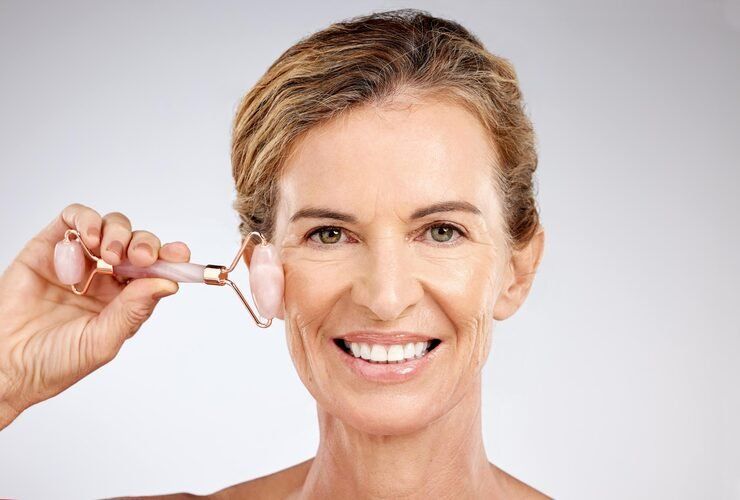
This guide explains practical skincare routines, anti-aging ingredients, professional skin rejuvenation treatments, cosmetic dermatology technologies, and factors to consider when evaluating skincare products and treatment providers. It also examines common skin aging concerns, emerging aesthetic treatment approaches, and the differences between preventive skincare and professional anti-aging procedures.
Understanding Skin Aging and Wrinkle Formation
Skin aging is a gradual biological process involving changes in the epidermis, dermis, and underlying supporting structures. The epidermis is the outer protective layer, while the dermis contains collagen, elastin, blood vessels, and other components that contribute to skin strength and flexibility.
Collagen provides structural support, while elastin helps skin return to its original position after stretching. As people age, collagen production and skin elasticity gradually decline. The skin may also become thinner, drier, and less resilient.
Two major categories influence this process:
Intrinsic Skin Aging
Intrinsic aging refers to natural biological changes associated with genetics and the passage of time. Common characteristics include:
Gradual reduction in collagen production.
Decreased skin elasticity and firmness.
Changes in natural oil production.
Fine lines around the eyes and mouth.
Reduced skin hydration and thickness.
These changes occur naturally and vary between individuals.
Extrinsic Skin Aging
Extrinsic aging results from environmental and lifestyle factors. Common contributors include excessive sunlight, smoking, air pollution, and repeated exposure to environmental stressors.
UV radiation can break down collagen and contribute to pigmentation changes. This process, known as photoaging, is one of the major reasons dermatologists emphasize consistent sun protection.
Daily Skincare Routine for Healthy and Youthful-Looking Skin
A consistent skincare routine can help maintain the skin barrier, improve hydration, and reduce the appearance of certain visible aging signs.
Gentle Cleansing
Cleansing removes accumulated oil, perspiration, environmental particles, and makeup. A gentle facial cleanser helps maintain skin cleanliness without unnecessarily disrupting the skin barrier.
People with dry or sensitive skin may prefer mild cream-based formulations, while individuals with oilier skin may consider lightweight gel cleansers.
Moisturizing and Skin Hydration
Moisturizers help reduce water loss and support the skin's protective barrier. Ingredients such as hyaluronic acid, glycerin, ceramides, and squalane are commonly included in hydration-focused skincare formulations.
Hyaluronic acid helps attract and retain water, while ceramides support the skin barrier. Regular moisturizing can make fine lines associated with dryness appear less noticeable.
Daily Sunscreen Protection
Sunscreen is one of the most important components of preventive anti-aging skincare. Broad-spectrum sunscreen protects against UVA and UVB radiation, which contribute to skin damage.
Dermatological guidance generally recommends:
Broad-spectrum SPF 30 or higher.
Applying sunscreen to exposed skin.
Reapplying approximately every two hours outdoors.
Reapplying after swimming or excessive sweating.
Using protective clothing, sunglasses, and shade.
Consistent protection helps reduce photoaging and supports long-term skin health.
Important Anti-Aging Skincare Ingredients
The skincare industry includes numerous active ingredients designed to address wrinkles, pigmentation, dryness, and uneven skin texture. Understanding their functions can help consumers evaluate cosmetic formulations and skincare product categories.
Retinol and Retinoids
Retinol is a vitamin A derivative commonly used in anti-aging skincare products. It supports skin cell turnover and can improve the appearance of fine wrinkles, uneven texture, and certain pigmentation concerns.
Prescription retinoids, such as tretinoin, are stronger formulations used under medical guidance. Retinoids can cause dryness, irritation, and increased sensitivity, particularly when introduced too quickly.
Topical retinoids should generally be avoided during pregnancy unless a qualified healthcare professional advises otherwise.
Vitamin C Serums
Vitamin C is an antioxidant ingredient used in brightening and anti-aging skincare formulations. It helps protect against oxidative stress and supports normal collagen synthesis.
Serums containing stabilized vitamin C derivatives are commonly formulated for uneven skin tone, dullness, and visible pigmentation.
Peptides
Peptides are short chains of amino acids used in cosmetic formulations. Different peptide ingredients are studied for their potential roles in supporting skin appearance and hydration.
Their effectiveness depends on formulation, concentration, stability, and delivery characteristics.
Niacinamide
Niacinamide, a form of vitamin B3, is commonly included in skincare products designed for uneven skin tone, barrier support, and oil regulation.
It may help improve the appearance of enlarged pores, redness, and pigmentation while supporting overall skin barrier function.
Professional Anti-Aging Treatments and Skin Rejuvenation
Professional skin rejuvenation includes dermatological and aesthetic procedures designed to address wrinkles, pigmentation, skin texture, and changes in facial volume.
The appropriate treatment depends on skin condition, medical history, treatment objectives, and individual suitability.
Chemical Peels
Chemical peels use controlled chemical solutions to remove layers of damaged surface skin. Common ingredients include glycolic acid, salicylic acid, and trichloroacetic acid.
Different peel strengths address different concerns:
Superficial peels target mild uneven texture and dullness.
Medium-depth peels address certain pigmentation concerns and visible wrinkles.
Deep peels involve more intensive procedures and longer recovery periods.
Potential risks include irritation, pigmentation changes, infection, and scarring. Treatment selection should be based on professional skin assessment.
Microneedling
Microneedling uses fine needles to create controlled microscopic punctures in the skin. The procedure stimulates wound-healing responses and collagen remodeling.
It is commonly considered for certain acne scars, uneven texture, and fine lines.
Radiofrequency microneedling combines needle-based treatment with radiofrequency energy to deliver controlled heat into targeted skin layers. Risks include irritation, pigmentation changes, infection, and, in some cases, burns or scarring.
Laser Skin Rejuvenation
Laser skin rejuvenation uses concentrated light energy to target specific skin structures.
Different technologies address different concerns:
Fractional laser treatments target selected microscopic areas of skin.
Ablative lasers remove controlled portions of the skin surface.
Non-ablative lasers heat deeper tissues without removing the entire surface layer.
Pigment-targeting lasers address selected pigmentation concerns.
Laser selection depends on skin type, pigmentation history, treatment objectives, and recovery requirements.
Botox and Wrinkle-Relaxing Injections
Botulinum toxin injections are used to temporarily reduce the appearance of certain expression-related wrinkles. They work by temporarily reducing activity in selected facial muscles.
Common treatment areas include forehead lines, frown lines, and crow's feet.
Results are temporary, and treatment requires assessment by a qualified medical professional. Possible complications include bruising, eyelid drooping, asymmetry, and other injection-related effects.
Dermal Fillers
Dermal fillers are injectable products used to restore or add volume to selected facial areas. Many commonly used fillers contain hyaluronic acid.
They may be considered for certain facial folds, lip volume, and age-related volume changes.
Fillers have specific risks, including swelling, bruising, infection, and rare but serious vascular complications that can cause tissue damage or vision loss. Treatment should only be performed by appropriately qualified medical practitioners with suitable complication-management capabilities.
Comparison of Anti-Aging Treatments
Different procedures address different skin concerns and involve varying recovery requirements.
| Treatment | Main purpose | General recovery considerations |
|---|---|---|
| Chemical peels | Surface texture and pigmentation | Depends on peel depth |
| Microneedling | Texture and selected acne scars | Temporary redness and sensitivity |
| Laser rejuvenation | Wrinkles, texture and pigmentation | Varies by laser technology |
| Botox injections | Expression-related wrinkles | Usually limited downtime |
| Dermal fillers | Facial volume and selected folds | Swelling and bruising may occur |
| Radiofrequency treatments | Skin tightening and collagen remodeling | Depends on treatment intensity |
No single procedure addresses every sign of skin aging. Some treatments may also require multiple sessions or maintenance procedures.
Lifestyle Habits That Support Skin Health
Skincare products and professional procedures are only part of maintaining healthy skin. Everyday habits can influence skin appearance and overall health.
Balanced Nutrition
A balanced diet provides nutrients required for normal skin function. Important nutritional components include:
Vitamin C from citrus fruits, berries, and vegetables.
Vitamin E from nuts, seeds, and plant oils.
Protein from eggs, legumes, fish, and other sources.
Healthy fats from nuts, seeds, and selected fish.
Zinc from legumes, seafood, and whole grains.
Adequate hydration also supports normal bodily functions, although drinking additional water does not independently eliminate wrinkles.
Quality Sleep
Sleep supports normal tissue repair and general physiological functions. Consistent sleep schedules and appropriate sleep duration can contribute to overall wellbeing.
Avoiding Smoking and Excessive Alcohol
Smoking exposes the body to substances that contribute to oxidative stress and can damage skin structure. It is associated with premature wrinkles and reduced skin quality.
Excessive alcohol consumption may also contribute to dehydration and other health concerns.
Regular Physical Activity
Physical activity supports cardiovascular health and general metabolic function. Regular exercise can contribute to overall wellbeing, although it should not be considered a direct treatment for established wrinkles.
Skincare Industry Developments and Treatment Trends During 2024–2026
The skincare and aesthetic dermatology industries continue to develop new formulations, devices, and treatment approaches.
Several areas receiving attention include:
Peptide-based skincare: Cosmetic manufacturers continue developing formulations containing different peptide complexes.
Advanced sunscreen formulations: Product development includes lightweight textures, improved cosmetic appearance, and formulations designed for different skin types.
Combination treatments: Dermatologists may combine selected procedures, such as laser treatments and topical skincare, according to individual requirements.
Regenerative aesthetic research: Research continues into growth factors, platelet-rich plasma, and other approaches to skin repair.
Energy-based technologies: Radiofrequency, ultrasound, and laser devices continue to be developed for different aesthetic applications.
Personalized skincare: Skin analysis technologies and individualized formulation approaches are receiving increased attention.
However, emerging technologies do not automatically establish clinical effectiveness. Evidence quality, regulatory status, practitioner qualifications, and treatment risks remain important considerations.
Manufacturers, Skincare Brands and Professional Treatment Providers
The skincare market includes cosmetic manufacturers, pharmaceutical companies, dermatology clinics, aesthetic device manufacturers, and professional skincare suppliers.
Companies such as L'Oréal, Estée Lauder, Beiersdorf, Johnson & Johnson, and Galderma participate in different segments of the skincare and dermatology market.
Their product categories may include moisturizers, cleansers, sunscreen formulations, anti-aging serums, dermatological skincare products, and aesthetic treatment technologies.
Professional treatment providers include board-certified dermatologists, qualified aesthetic physicians, and appropriately trained medical practitioners. Their responsibilities may include skin assessment, treatment planning, procedure selection, and management of potential complications.
Important Considerations When Choosing Anti-Aging Products and Treatments
Before selecting skincare products or professional procedures, consider the following factors:
Skin type: Dry, oily, sensitive, and combination skin may respond differently to active ingredients.
Ingredient concentration: The strength and formulation of active ingredients influence tolerability and performance.
Medical history: Existing skin conditions, allergies, medications, and pregnancy status may affect treatment suitability.
Practitioner qualifications: Verify medical credentials, relevant experience, and facility standards before undergoing procedures.
Treatment risks: Understand possible side effects, recovery periods, and limitations.
Product authenticity: Check ingredient labels, manufacturing details, and appropriate regulatory information.
Long-term maintenance: Many cosmetic procedures provide temporary results and may require continued skincare or additional sessions.
A dermatologist can help identify the causes of specific skin concerns and determine whether topical products, prescription treatments, or professional procedures are appropriate.
Frequently Asked Questions
Which skincare ingredients help reduce the appearance of wrinkles?
Retinoids, vitamin C, niacinamide, peptides, and hyaluronic acid are commonly used in anti-aging skincare formulations. Their functions differ, and results depend on formulation, consistency, and individual skin characteristics.
At what age should someone start using anti-aging skincare products?
Preventive skincare can begin during early adulthood, particularly regular sunscreen use and moisturizing. More specialized ingredients can be introduced according to individual skin concerns and professional guidance rather than a fixed age.
Are professional skin rejuvenation treatments effective for wrinkles?
Certain treatments, including fractional lasers, chemical peels, microneedling, and botulinum toxin injections, can improve specific signs of skin aging. Their suitability and outcomes depend on the procedure, skin condition, practitioner expertise, and individual response.
What is the difference between Botox and dermal fillers?
Botulinum toxin temporarily reduces selected muscle activity to address expression-related wrinkles. Dermal fillers add volume to specific facial areas and can improve the appearance of certain folds and volume loss.
Can daily sunscreen help prevent premature skin aging?
Yes. Broad-spectrum sunscreen reduces exposure to UVA and UVB radiation, which contribute to photoaging, pigmentation, and collagen damage. Consistent application alongside protective clothing and shade is an important preventive skincare practice.
Conclusion
Maintaining youthful-looking skin involves consistent skincare, sun protection, healthy lifestyle habits, and appropriate treatment choices. Anti-aging ingredients such as retinol, vitamin C, peptides, and hyaluronic acid serve different skincare purposes, while professional procedures offer additional approaches to wrinkles, pigmentation, and skin texture concerns. Understanding treatment technologies, product formulations, practitioner qualifications, and potential risks is important when evaluating skin rejuvenation options. A balanced approach focused on long-term skin health is more practical than expecting any single product or procedure to prevent all signs of aging.