
Human Machine Interface (HMI) systems have become an essential part of modern industrial operations by connecting people with machines through intuitive control and monitoring interfaces. Whether operating automated production lines, process plants, or complex manufacturing equipment, operators rely on HMI systems to observe machine performance, manage processes, and respond quickly to changing operating conditions.
As industrial automation continues advancing, HMI technology has evolved from simple push-button control panels into sophisticated digital interfaces capable of displaying real-time production information, diagnostics, alarms, and operational analytics. Well designed interfaces not only improve productivity but also help reduce operator errors while supporting safer working environments.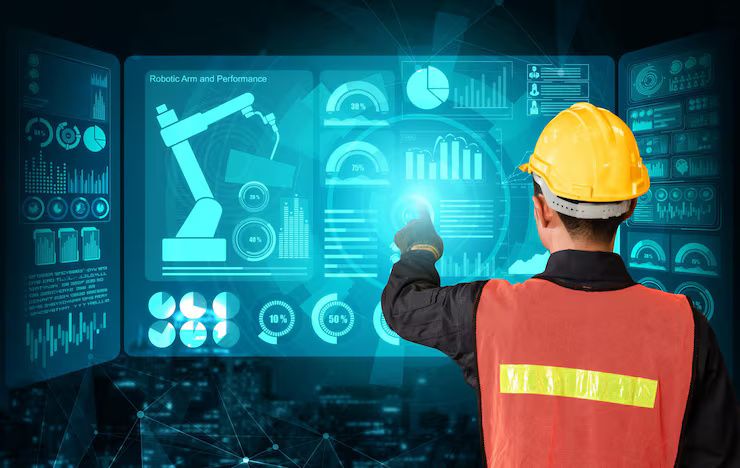
Understanding how Human Machine Interface systems function provides valuable insight into modern operator control design, industrial communication, and the technologies that support efficient manufacturing operations.
The Role of Human Machine Interface Systems
An HMI serves as the communication bridge between operators and industrial equipment. Instead of interacting directly with programmable controllers or complex machinery, operators use graphical displays that present information in an organized and understandable format.
These systems allow users to monitor equipment status, start or stop production processes, adjust operating parameters, acknowledge alarms, and review performance information from a centralized interface.
Effective HMI design focuses on making machine interaction simple without sacrificing the level of operational control required in industrial environments.
Core Components That Support HMI Operation
An HMI system combines hardware and software elements that work together to provide reliable operator interaction.
The display panel serves as the primary interface, presenting production data through graphical dashboards, process diagrams, trend charts, and alarm notifications. Touchscreen technology has become increasingly common because it simplifies navigation while reducing the need for multiple physical control buttons.
Supporting hardware typically includes industrial computers, communication modules, networking equipment, and input devices. Behind the interface, specialized HMI software gathers information from controllers and presents it in formats that operators can interpret quickly.
Reliable communication between these components ensures accurate data exchange throughout the production system.
How HMI Systems Integrate with Industrial Automation
Human Machine Interface systems rarely operate independently. Instead, they communicate continuously with industrial controllers and automation equipment responsible for executing machine operations.
Programmable Logic Controllers (PLCs), distributed control systems, sensors, drives, and industrial communication networks provide operational data that appears on HMI screens. Operators can then issue commands that are processed by the control system while receiving immediate visual feedback regarding equipment status.
This integration enables centralized supervision across multiple production assets while reducing the need for direct interaction with individual machine controllers.
Principles of Effective Operator Control Design
A successful HMI prioritizes usability as much as technical capability. Operators must be able to locate critical information quickly, particularly during abnormal operating conditions.
Effective interface design generally emphasizes:
- Clear screen organization
- Consistent navigation
- Readable graphics
- Logical color usage
- Prioritized alarm displays
- Simple operating controls
- Minimal unnecessary visual elements
Rather than overwhelming users with excessive information, modern HMI design presents the most relevant operational data while allowing detailed information to remain easily accessible when needed.
Well-structured interfaces help reduce operator fatigue and improve decision-making during routine production as well as unexpected process events.
Visualization Improves Process Awareness
Visual presentation plays a major role in helping operators understand machine behavior.
Modern HMI systems display production information through animated process diagrams, equipment status indicators, performance trends, production counters, and maintenance notifications. These visual tools provide immediate awareness of operating conditions without requiring users to interpret large amounts of raw numerical data.
Trend charts allow operators to observe changes over time, making it easier to recognize gradual performance variations before they develop into larger operational issues.
Real-time visualization also supports faster troubleshooting by highlighting the relationship between equipment conditions and production performance.
Alarm Management and Operational Safety
Industrial facilities depend on timely alarm notifications to maintain safe and efficient operation.
HMI systems classify alarms according to severity, allowing operators to distinguish between informational messages and conditions requiring immediate action. Effective alarm management reduces unnecessary distractions while ensuring that important events receive prompt attention.
Clear alarm descriptions, event histories, and operator guidance improve response consistency and help minimize production interruptions.
Although HMI systems support safety by improving operational awareness, they complement rather than replace dedicated industrial safety systems designed to protect personnel and equipment.
Connectivity Supports Smarter Manufacturing
Modern production environments increasingly rely on connected industrial systems that exchange information across multiple operational levels.
HMI platforms often communicate with manufacturing execution systems, supervisory control applications, industrial databases, and enterprise management software. This connectivity allows production information to flow beyond individual machines, supporting broader operational visibility.
Remote monitoring capabilities have also become more common, enabling authorized personnel to review equipment status from secure locations while maintaining appropriate cybersecurity protections.
As digital manufacturing expands, HMI systems continue serving as important access points for operational intelligence.
Factors That Influence HMI Performance
Several design and operational considerations contribute to successful HMI implementation.
Hardware durability must match industrial operating environments, including exposure to dust, vibration, temperature variation, and continuous use. Display readability under different lighting conditions also affects operator performance.
Software design requires regular maintenance, version management, and compatibility with evolving automation technologies. User training remains equally important, ensuring operators understand interface functions, alarm responses, and standard operating procedures.
Combining reliable hardware with thoughtful interface design helps maximize long-term system effectiveness.
Future Direction of Human Machine Interface Systems
Human Machine Interface technology continues evolving alongside advances in industrial automation and digital manufacturing.
Higher-resolution displays, adaptive user interfaces, advanced visualization techniques, and intelligent data presentation are improving how operators interact with increasingly complex production systems. Artificial intelligence and predictive analytics are also beginning to enhance HMI platforms by presenting maintenance insights and operational recommendations based on machine performance data.
Despite these technological advances, the primary objective remains unchanged: providing operators with clear, reliable information that supports safe, informed, and efficient decision-making.
Conclusion
Human Machine Interface systems have become indispensable tools for modern production environments by creating an effective connection between operators and industrial automation systems. Through intuitive visualization, reliable communication, thoughtful control design, and real-time operational awareness, HMIs help improve productivity while supporting safe and consistent manufacturing operations.
As automation technologies continue advancing, well-designed HMI systems will remain central to efficient operator control, enabling organizations to manage increasingly sophisticated production processes with greater confidence, accuracy, and operational visibility.