Industrial chemicals are essential to manufacturing, processing, cleaning, water treatment, agriculture, energy production, and many other industries.
However, chemicals can create serious workplace hazards when they are improperly stored, handled, transported, mixed, or disposed of. Effective industrial chemical safety is therefore not limited to wearing protective equipment. It involves understanding chemical hazards, controlling exposure, maintaining safe processes, preparing for emergencies, and building a workplace culture where safety is part of everyday operations.
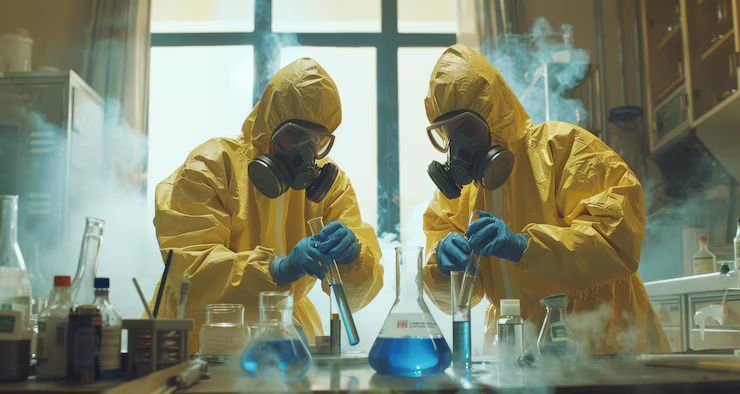
A strong chemical safety program helps workers recognize potential risks before an incident occurs. It also provides clear procedures for handling chemicals safely and responding appropriately when something goes wrong. This guide explains the fundamental principles of workplace chemical safety and how organizations can develop practical systems for safer chemical management.
What Is Industrial Chemical Safety?
Industrial chemical safety is the systematic management of risks associated with chemicals used or produced in a workplace. It covers the entire chemical lifecycle, from purchasing and receiving materials to storage, handling, processing, and waste management.
Chemical hazards can include:
- Toxicity
- Flammability
- Corrosiveness
- Reactivity
- Oxidizing properties
- Environmental hazards
- Harmful vapors, dust, or aerosols
- Pressure-related risks
The level of risk depends not only on the chemical itself but also on how it is used, its concentration, the quantity present, workplace conditions, and the duration and route of potential exposure.
Why Workplace Chemical Safety Matters
Chemical incidents can affect workers, facilities, equipment, production processes, and the surrounding environment. Even a seemingly routine task can become hazardous if a chemical is incorrectly identified, transferred into an unsuitable container, or used without appropriate controls.
A well-designed chemical safety program helps organizations:
- Reduce unnecessary chemical exposure
- Prevent spills and uncontrolled releases
- Minimize fire and reaction hazards
- Protect workers and equipment
- Improve emergency preparedness
- Support regulatory compliance
- Reduce operational disruptions
- Encourage consistent safety practices
The objective is not simply to respond to accidents but to identify and control hazards before they lead to an incident.
Understanding Chemical Hazards
The first step in chemical safety is knowing what hazards are present.
Chemical labels and safety documentation provide important information about properties, handling precautions, storage requirements, and emergency measures. Workers should understand the meaning of relevant hazard symbols, warnings, and precautionary statements.
Different chemicals may present very different risks. For example, a corrosive substance may damage skin or equipment, while a flammable material may create a fire hazard. Reactive substances may become dangerous when they contact incompatible materials.
Understanding these differences helps workers select appropriate controls instead of relying on a single safety procedure for every chemical.
Chemical Risk Assessment
Risk assessment is a central part of workplace chemical safety.
A basic assessment considers several questions:
- What chemical is being used?
- What hazards does it present?
- How could workers be exposed?
- How frequently is the task performed?
- What quantities are involved?
- What controls are already in place?
- What additional controls may be necessary?
Potential exposure routes include inhalation, skin contact, eye contact, ingestion, and accidental injection in specialized work environments.
Risk assessments should also consider non-routine activities such as equipment maintenance, cleaning, chemical transfers, process changes, and emergency situations.
The Hierarchy of Chemical Safety Controls
Effective safety programs generally prioritize engineering and process controls before relying primarily on personal protective equipment.
Elimination and Substitution
Where practical, organizations can remove a hazardous chemical from a process or replace it with a less hazardous alternative.
Engineering Controls
Engineering controls separate workers from hazards. Examples include:
- Closed chemical transfer systems
- Local exhaust ventilation
- Enclosed processing equipment
- Automated dosing systems
- Physical barriers
- Appropriate containment systems
These controls can reduce reliance on individual worker behavior.
Administrative Controls
Administrative measures include written procedures, training, work schedules, access restrictions, inspections, and chemical handling protocols.
Personal Protective Equipment
Protective equipment may include gloves, protective clothing, eye protection, face protection, and respiratory protection where appropriate.
PPE should be selected according to the specific chemical and task rather than treated as a universal solution.
Safe Chemical Storage
Proper storage reduces the likelihood of leaks, fires, reactions, and accidental exposure.
Chemical storage areas should be organized so that incompatible materials are separated according to their properties. Containers should remain properly identified and in suitable condition.
Important storage practices include:
- Keeping containers securely closed when not in use
- Maintaining clear labels
- Separating incompatible chemicals
- Protecting containers from unsuitable temperatures
- Keeping storage areas organized
- Providing appropriate spill containment
- Restricting unauthorized access
- Conducting regular inspections
Storage arrangements should reflect the chemical's specific properties rather than relying solely on alphabetical organization.
Safe Chemical Handling and Transfer
Chemical handling tasks can create significant exposure risks, particularly when materials are poured, pumped, mixed, or transferred between containers.
Workers should follow established procedures and use suitable equipment for the material involved. Transfer systems should be inspected regularly for leaks, damage, and compatibility concerns.
Good practices include minimizing unnecessary manual handling, keeping containers stable, using appropriate transfer equipment, and ensuring workers understand the process before beginning the task.
Chemical mixing requires particular caution because some substances can react unexpectedly when combined. Only approved processes and clearly defined procedures should be followed.
Ventilation and Exposure Control
Ventilation plays an important role when chemicals can produce hazardous vapors, gases, dust, or aerosols.
General ventilation can improve overall air quality, while local exhaust ventilation is designed to capture contaminants close to their source.
Exposure controls should be selected based on the chemical, task, concentration, and workplace conditions. Where exposure monitoring is appropriate, measurements can help determine whether existing controls are working effectively.
Chemical Safety Training
Workers cannot safely manage chemical hazards if they do not understand the materials and procedures involved.
Effective training should cover:
- Chemical hazards
- Label interpretation
- Safety documentation
- Safe handling procedures
- Storage requirements
- PPE selection and use
- Spill response
- Emergency procedures
- Waste handling
- Reporting requirements
Training should be practical and relevant to the employee's actual responsibilities. Refresher training is also useful when processes, chemicals, equipment, or workplace conditions change.
Emergency Preparedness
Even strong preventive controls cannot eliminate every possibility of an incident. Emergency planning is therefore an essential part of industrial chemical safety.
Facilities should establish clear procedures for events such as spills, leaks, fires, accidental exposure, and uncontrolled chemical releases.
Emergency planning may include:
- Clearly defined response responsibilities
- Accessible emergency equipment
- Evacuation procedures
- Communication protocols
- Emergency contact information
- Spill response procedures
- First-aid arrangements
- Incident reporting processes
Workers should know what to do during an emergency and, equally importantly, when they should leave the area and allow trained responders to manage the situation.
Chemical Waste Management
Chemical safety continues after a material is no longer needed. Waste chemicals can retain hazardous properties and must be managed accordingly.
Waste containers should be compatible with their contents, properly identified, securely closed, and stored in designated areas. Different waste streams should not be combined unless the process has been specifically evaluated and approved.
Responsible waste management helps protect workers, facilities, and the environment.
Common Chemical Safety Mistakes
Several preventable practices can increase workplace risk.
Common mistakes include:
- Using unlabeled containers
- Ignoring chemical compatibility
- Storing materials incorrectly
- Treating PPE as the only control
- Failing to inspect containers
- Mixing chemicals without approved procedures
- Neglecting ventilation requirements
- Skipping chemical safety training
- Failing to report spills or near misses
- Allowing outdated procedures to remain in use
Regular inspections and safety reviews can identify these weaknesses before they result in incidents.
Building a Strong Chemical Safety Culture
Chemical safety is most effective when it becomes part of normal workplace behavior.
Managers can support this culture by providing appropriate resources, encouraging hazard reporting, reviewing incidents and near misses, and ensuring workers understand that safety concerns should be addressed rather than ignored.
Employees also play an important role by following established procedures, reporting unsafe conditions, using equipment correctly, and participating in training.
A strong safety culture recognizes that chemical safety is a shared responsibility rather than the responsibility of one department.
Frequently Asked Questions
What is industrial chemical safety?
Industrial chemical safety is the systematic identification, assessment, and control of risks associated with chemicals used, stored, processed, or produced in workplaces.
What are the main chemical hazards?
Common hazards include toxicity, flammability, corrosiveness, reactivity, oxidation, harmful vapors, dust, aerosols, and environmental hazards.
Why is chemical storage important?
Correct storage helps prevent leaks, accidental exposure, fires, and dangerous reactions by keeping chemicals in suitable conditions and separating incompatible materials.
Is personal protective equipment enough for chemical safety?
PPE is an important protective measure, but it should generally complement stronger controls such as elimination, substitution, engineering controls, and effective work procedures.
What should chemical safety training include?
Training should address chemical hazards, labels, safety documentation, handling, storage, PPE, emergency response, waste management, and workplace reporting procedures.
Conclusion
Industrial chemical safety depends on a coordinated approach that combines hazard identification, risk assessment, engineering controls, safe storage, appropriate handling procedures, training, emergency preparedness, and responsible waste management. No single measure can address every chemical hazard.
The most effective workplace chemical safety programs are practical, regularly reviewed, and integrated into everyday operations. By understanding chemical properties, controlling exposure pathways, maintaining suitable equipment, and encouraging workers to report hazards, organizations can create safer and more consistent working environments.
Chemical safety is ultimately an ongoing process. As chemicals, equipment, production methods, and workplace conditions change, safety procedures should evolve with them. A proactive approach helps organizations protect people, maintain reliable operations, and manage industrial chemicals responsibly.