Industrial cleaning chemicals are an important part of maintaining safe, efficient, and hygienic workplaces.
Manufacturing facilities, food-processing plants, warehouses, healthcare environments, commercial buildings, and many other industrial settings rely on specialized cleaning solutions to remove dirt, grease, oils, residues, scale, microorganisms, and other contaminants.
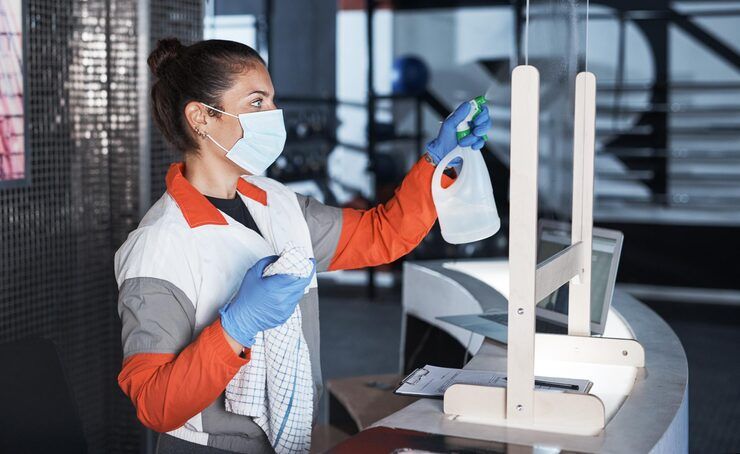
Unlike ordinary household cleaners, industrial cleaning chemicals are generally formulated for specific materials, contamination levels, equipment types, and operating conditions. Choosing and using the right chemical requires an understanding of the cleaning task, surface compatibility, concentration, application method, and workplace safety requirements.
This guide explains the main categories of industrial cleaning chemicals, how they work, where they are used, and the factors businesses should consider when developing an effective industrial cleaning approach.
What Are Industrial Cleaning Chemicals?
Industrial cleaning chemicals are chemical formulations designed to clean, degrease, sanitize, descale, or otherwise remove unwanted substances from industrial surfaces, machinery, equipment, facilities, and production environments.
These cleaning solutions can address contaminants that ordinary cleaning products may not effectively remove, including:
- Heavy grease and oils
- Industrial dirt
- Carbon deposits
- Mineral scale
- Production residues
- Food residues
- Organic contamination
- Dust and particulate buildup
- Microbial contamination
The appropriate chemical depends on the type of contamination and the surface being cleaned. A solution effective against mineral deposits, for example, may not be appropriate for removing heavy grease.
Why Industrial Cleaning Is Important
Effective industrial cleaning supports more than visual cleanliness. It can contribute to equipment reliability, workplace hygiene, production efficiency, and environmental management.
Regular cleaning can help reduce the accumulation of materials that interfere with equipment operation. Deposits on machinery, heat-transfer surfaces, pipes, tanks, and production equipment can affect performance if they are allowed to build up.
Industrial cleaning also supports hygiene requirements in environments where contamination control is particularly important.
A structured cleaning program can help organizations:
- Maintain cleaner work areas
- Reduce contamination risks
- Support equipment performance
- Improve workplace organization
- Protect surfaces from damaging residues
- Support maintenance programs
- Meet applicable hygiene requirements
Major Types of Industrial Cleaning Chemicals
Industrial cleaning chemicals can be divided into several broad categories according to their chemical properties and intended applications.
Alkaline Cleaners
Alkaline cleaners are commonly used to remove grease, oils, fats, and other organic residues.
They are frequently used in manufacturing and food-processing environments where oily or fatty deposits require effective removal. Different alkaline formulations vary in strength and may include additional components designed to improve cleaning performance.
Because strong alkaline products can affect certain materials, surface compatibility should always be considered.
Acid Cleaners
Acid-based cleaning solutions are commonly associated with the removal of mineral deposits, scale, rust-related residues, and inorganic buildup.
Applications may include equipment surfaces, tanks, pipes, and other systems where mineral accumulation occurs.
Acid cleaners require careful handling because their chemical properties can damage certain metals, coatings, and other materials. Appropriate procedures and safety controls are essential.
Solvent-Based Cleaners
Solvent cleaners are designed to dissolve or loosen substances that may be difficult to remove with water-based cleaners.
They may be used for particular oils, adhesives, coatings, and industrial residues. Their use requires consideration of ventilation, material compatibility, flammability, worker exposure, and applicable workplace requirements.
Disinfectants and Sanitizing Chemicals
Disinfecting and sanitizing products are used where reducing microorganisms is an important part of the cleaning process.
These chemicals are particularly relevant to food-related facilities, healthcare environments, laboratories, and other areas where hygiene controls are essential.
Cleaning and disinfection are not always the same process. Surfaces may need to be cleaned first to remove dirt and organic material before a disinfectant or sanitizer can work effectively.
Specialty Cleaners
Specialty industrial cleaning chemicals are developed for particular applications, materials, or contaminants.
Examples may include cleaners for electronic components, precision equipment, metal surfaces, production machinery, or specialized industrial processes.
How Industrial Cleaning Chemicals Work
Cleaning chemicals work through different mechanisms depending on their formulation.
Alkaline products can help break down fats and oils. Acidic solutions can react with mineral deposits and scale. Solvents can dissolve certain organic substances, while surfactants help loosen contaminants and allow them to be carried away by water.
Many industrial formulations combine several chemical functions to improve cleaning performance.
The cleaning process is also influenced by factors such as:
- Chemical concentration
- Temperature
- Contact time
- Mechanical action
- Water quality
- Contaminant type
- Surface characteristics
These factors are often considered together when designing a cleaning process.
Selecting the Right Cleaning Solution
Choosing industrial cleaning chemicals should begin with identifying the actual cleaning requirement rather than simply selecting the strongest available product.
Identify the Contaminant
Determine whether the residue consists mainly of grease, oil, mineral scale, food material, dust, adhesive, or another substance.
Different contaminants require different chemical approaches.
Consider the Surface
Metals, plastics, rubber, glass, painted surfaces, and specialized coatings can react differently to cleaning chemicals.
A chemical that works well on one material may cause corrosion, discoloration, swelling, or other damage to another.
Consider the Cleaning Method
Industrial cleaning may involve manual application, spray systems, foam cleaning, immersion, circulation cleaning, pressure-assisted methods, or automated equipment.
The chemical should be compatible with the selected application process.
Review Safety Requirements
Chemical selection should also account for worker exposure, ventilation, storage, protective equipment, labeling, handling procedures, and emergency response requirements.
Industrial Cleaning Methods
The same chemical can produce different results depending on how it is applied.
Manual Cleaning
Manual cleaning is suitable for selected equipment, surfaces, and smaller areas where workers can safely apply and remove cleaning solutions.
Foam Cleaning
Foam-based systems allow cleaning solutions to remain on vertical or difficult-to-reach surfaces for an appropriate contact period.
Spray Cleaning
Spray application can cover larger surfaces and may be incorporated into industrial cleaning processes.
Immersion Cleaning
Small or removable components may sometimes be placed into a cleaning solution to loosen and remove contaminants.
Circulation Cleaning
Some industrial systems can be cleaned by circulating a chemical solution through pipes, tanks, or equipment without completely dismantling the system.
The method selected should match the equipment design, contamination type, chemical characteristics, and applicable safety procedures.
Chemical Safety and Handling
Industrial cleaning chemicals require responsible handling. Safety begins before a product reaches the cleaning area.
Workers should understand the chemical's labeling, hazard information, storage requirements, required personal protective equipment, and appropriate handling procedures.
Important practices include:
- Store chemicals in suitable containers
- Keep incompatible chemicals separated
- Maintain clear labels
- Follow approved dilution procedures
- Provide appropriate ventilation
- Use suitable protective equipment
- Train workers in handling procedures
- Maintain accessible safety information
- Establish procedures for spills and accidental exposure
Chemicals should never be mixed unless the combination is specifically approved by appropriate technical or safety guidance. Some combinations can produce hazardous reactions.
Environmental Considerations
Modern industrial cleaning increasingly considers environmental impact alongside cleaning performance.
Organizations may evaluate factors such as wastewater characteristics, chemical consumption, biodegradability, packaging, water usage, and disposal requirements.
Reducing unnecessary chemical use can support both environmental management and process efficiency. Accurate dosing, controlled application, appropriate contact time, and efficient rinsing can help reduce waste while maintaining cleaning performance.
Wastewater generated during industrial cleaning should be managed according to applicable environmental requirements.
Common Industrial Applications
Industrial cleaning chemicals are used across numerous sectors.
Manufacturing
Factories use cleaning solutions to remove oils, dust, production residues, and other contaminants from machinery and work areas.
Food Processing
Cleaning and sanitation are essential for controlling residues and maintaining hygienic processing environments.
Automotive and Engineering
Degreasers and specialized cleaners can help remove oils, lubricants, metalworking residues, and other contaminants.
Healthcare and Laboratories
Specialized cleaning and disinfecting solutions support hygiene and contamination-control procedures.
Warehousing and Facilities
Industrial cleaners can be used for floors, equipment, storage areas, and high-traffic surfaces.
Common Mistakes to Avoid
Several mistakes can reduce cleaning effectiveness or create unnecessary risks.
Using excessive chemical concentration does not automatically produce better cleaning results. It may increase residue, material damage, worker exposure, or wastewater concerns.
Another common mistake is ignoring contact time. A chemical may require sufficient time to interact with a contaminant before rinsing.
Using a cleaner without checking surface compatibility can also cause avoidable damage.
Finally, poor storage and unclear labeling can create unnecessary safety hazards.
Future Trends in Industrial Cleaning
Industrial cleaning is increasingly influenced by automation, resource efficiency, and process monitoring.
Emerging developments include automated cleaning systems, controlled chemical dosing, low-water cleaning technologies, improved formulations, digital monitoring, and more environmentally conscious cleaning processes.
Automation can provide greater consistency in applications where cleaning procedures need to be repeated at defined intervals. Digital monitoring may also help organizations track chemical usage, cleaning cycles, and maintenance requirements.
These developments indicate a broader shift toward cleaning processes that balance performance, worker safety, equipment protection, and environmental responsibility.
Frequently Asked Questions
What are industrial cleaning chemicals used for?
They are used to remove contaminants such as grease, oil, scale, dirt, residues, and microorganisms from industrial equipment, surfaces, facilities, and production environments.
Are industrial cleaning chemicals different from household cleaners?
Yes. Industrial formulations are generally designed for specific contaminants, surfaces, equipment, and operating conditions and may require specialized handling procedures.
How should an industrial cleaning chemical be selected?
Selection should consider the contaminant, surface material, cleaning method, required performance, workplace conditions, and applicable safety requirements.
Can different cleaning chemicals be mixed?
Chemicals should not be mixed unless the combination is specifically approved by appropriate technical or safety guidance. Some chemical combinations can create hazardous reactions.
How can industrial cleaning become more efficient?
Controlled chemical dosing, suitable cleaning methods, correct contact time, appropriate temperature, mechanical action, and regular process evaluation can improve cleaning efficiency.
Conclusion
Industrial cleaning chemicals are essential tools for maintaining clean, functional, and hygienic industrial environments. Their effectiveness depends not only on chemical formulation but also on correct selection, application, concentration, contact time, surface compatibility, and safe handling.
Modern cleaning solutions increasingly focus on achieving reliable results while reducing unnecessary chemical consumption, protecting equipment, supporting worker safety, and managing environmental impact. By treating industrial cleaning as a structured process rather than simply applying a strong chemical, organizations can develop more consistent and responsible cleaning practices that support long-term operational performance.