Industrial electrical components form the foundation of electrical infrastructure used across factories, processing facilities, warehouses, commercial buildings, utilities, and other demanding environments.
These components help distribute electrical power, control machinery, protect circuits, monitor operating conditions, and support automation.
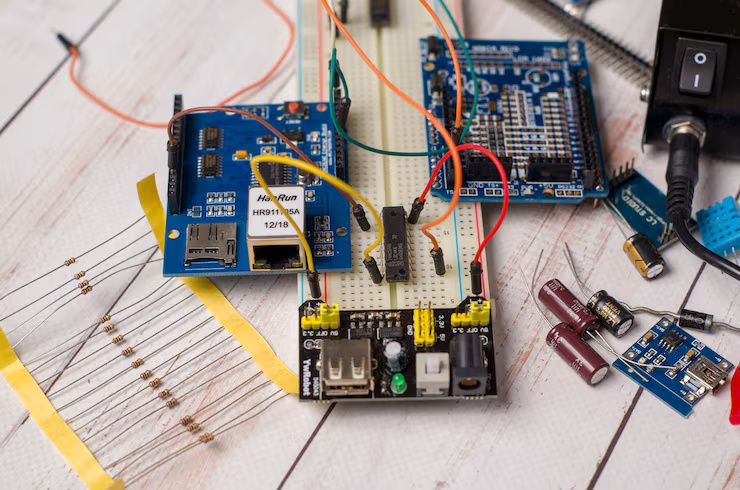
Unlike basic residential electrical equipment, industrial systems often operate under higher loads and more challenging environmental conditions. They must also integrate with increasingly complex automation, monitoring, and control technologies. Understanding how individual components work together provides a useful foundation for anyone involved in industrial maintenance, engineering, facility management, or electrical system planning.
This guide explains the major categories of industrial electrical components, their roles within electrical systems, selection considerations, and the trends shaping modern industrial electrical infrastructure.
What Are Industrial Electrical Components?
Industrial electrical components are individual devices used to build, operate, control, protect, and monitor industrial electrical systems. They can range from relatively simple switches and connectors to sophisticated control devices and power management equipment.
Common examples include:
- Circuit breakers
- Contactors
- Relays
- Switches
- Fuses
- Transformers
- Power supplies
- Terminal blocks
- Electrical connectors
- Control panels
- Sensors
- Motor control devices
Each component performs a specific function, but the overall system depends on proper coordination between them. A circuit protection device, for example, works alongside distribution equipment, while control components communicate with sensors and automation systems.
The Role of Industrial Electrical Systems
Industrial electrical systems are designed to deliver power safely and reliably to equipment, machinery, lighting, automation platforms, and facility infrastructure.
A typical system may include several functional layers:
- Power generation or incoming utility supply
- Electrical distribution
- Circuit protection
- Motor and machine control
- Automation and monitoring
- Safety and emergency systems
These layers work together to maintain reliable operation while protecting people, equipment, and electrical infrastructure.
The design of an industrial electrical system depends on factors such as facility size, voltage requirements, environmental conditions, machinery loads, and operational demands.
Major Categories of Industrial Electrical Components
Understanding components by function makes complex electrical systems easier to interpret.
Power Distribution Components
Power distribution components direct electricity from an incoming supply to different areas of a facility.
Examples include:
- Distribution boards
- Busbars
- Switchgear
- Transformers
- Disconnect switches
- Terminal blocks
These devices help organize electrical distribution and allow different circuits or equipment groups to receive appropriate power.
Circuit Protection Components
Circuit protection is essential for reducing the risk of electrical damage caused by abnormal operating conditions.
Common protection devices include:
- Circuit breakers
- Fuses
- Surge protection devices
- Overload relays
- Ground fault protection systems
These components can interrupt or limit electrical flow when conditions exceed safe operating parameters.
Control Components
Control components allow operators and automated systems to start, stop, regulate, or sequence industrial machinery.
Common examples include:
- Contactors
- Relays
- Push buttons
- Selector switches
- Control switches
- Programmable logic controllers
These devices are particularly important in automated manufacturing environments where machines must operate according to precise sequences.
Connection Components
Reliable electrical connections are essential for maintaining system performance.
Industrial electrical products in this category include:
- Terminal blocks
- Cable glands
- Industrial connectors
- Wire connectors
- Busbar connectors
- Junction boxes
These components help create secure electrical pathways while supporting maintenance and system organization.
Understanding Industrial Electrical Equipment
Industrial electrical equipment generally refers to larger or more complex assemblies that incorporate multiple electrical components.
Examples include:
- Motor control centers
- Electrical control panels
- Switchboards
- Variable frequency drives
- Power distribution systems
- Industrial automation cabinets
For example, a control panel may contain circuit protection devices, contactors, relays, terminal blocks, power supplies, and programmable controllers in one integrated enclosure.
This equipment allows electrical systems to perform coordinated functions rather than relying on individual components operating independently.
How Components Work Together
The effectiveness of industrial electrical components depends heavily on system integration.
Consider a manufacturing motor as an example. Electrical power may first pass through distribution equipment and circuit protection. A motor starter or variable frequency drive then controls how the motor operates. Sensors may monitor temperature, speed, or position, while a programmable controller processes the information and adjusts machine operation.
This creates a connected chain:
Power supply → Distribution → Protection → Control → Monitoring → Automation
Each stage contributes to reliable system operation.
A failure in one part of this chain can affect the entire process, which is why industrial electrical systems require careful design, installation, testing, and maintenance.
Key Factors When Selecting Components
Choosing appropriate industrial electrical components requires consideration of technical and environmental factors.
Voltage and Current Requirements
Components must be compatible with the system's operating voltage and expected current levels. Selecting equipment without considering electrical ratings can create reliability and safety concerns.
Environmental Conditions
Industrial facilities may expose electrical equipment to:
- Dust
- Moisture
- Heat
- Chemicals
- Vibration
- Corrosive atmospheres
Enclosures and components should be appropriate for the environment in which they will operate.
Load Characteristics
Different loads behave differently. Motors, heating systems, lighting, and electronic equipment may have distinct electrical characteristics that influence component selection.
Maintenance Requirements
Components should allow technicians to inspect, test, replace, and maintain equipment efficiently.
Clear labeling and organized electrical panels can simplify troubleshooting and reduce downtime.
Compatibility
Industrial electrical products must work together as part of a complete system. Compatibility between control equipment, protection devices, communication networks, and automation platforms is increasingly important.
The Importance of Industrial Electrical Components Suppliers
Industrial electrical components suppliers play an important role in helping organizations identify suitable equipment for specific applications. Technical documentation, product specifications, compatibility information, and regulatory details can all support informed selection.
When evaluating suppliers, organizations may consider factors such as:
- Technical documentation
- Product availability
- Industry standards
- Component compatibility
- Technical support
- Quality management processes
- Lifecycle support
The objective should be to identify components that meet the technical requirements of the application rather than selecting equipment based solely on individual specifications.
The Role of Industrial Electrical Components Manufacturers
Industrial electrical components manufacturers develop and produce the devices used throughout industrial power and control infrastructure.
Manufacturing processes may involve electrical engineering, materials science, precision production, quality testing, and compliance evaluation.
Manufacturers increasingly focus on:
- Energy efficiency
- Compact designs
- Improved reliability
- Digital monitoring
- Smart connectivity
- Predictive maintenance capabilities
These developments reflect the growing integration between traditional electrical engineering and digital industrial technologies.
Industrial Electrical Components and Automation
Modern industrial electrical systems are increasingly connected to automation platforms.
Sensors can collect operating data, while controllers analyze information and send commands to machines. Communication networks allow equipment to exchange information across production environments.
This integration supports applications such as:
- Automated manufacturing
- Process control
- Equipment monitoring
- Energy management
- Predictive maintenance
- Production optimization
Industrial electrical components therefore increasingly serve as part of an interconnected infrastructure rather than isolated devices.
Common Challenges in Industrial Electrical Systems
Industrial electrical systems face several operational challenges.
Electrical Overloads
Unexpected increases in electrical demand can place stress on equipment and circuits.
Component Wear
Mechanical and electrical components may degrade over time due to heat, vibration, repeated operation, or environmental exposure.
Poor Maintenance
Inadequate inspection and maintenance can make minor problems more difficult to identify before they affect system performance.
Compatibility Issues
Integrating older equipment with modern automation platforms can create communication and control challenges.
Environmental Exposure
Moisture, dust, and corrosive substances can reduce component lifespan if equipment is not appropriately protected.
Regular inspections, proper documentation, and planned maintenance can help address these challenges.
Emerging Trends in Industrial Electrical Systems
Industrial electrical technology continues to evolve as facilities become more connected and energy-conscious.
Important trends include:
- Smart electrical components
- Digital monitoring
- Industrial Internet of Things integration
- Predictive maintenance
- Energy management systems
- Advanced motor control
- Remote equipment monitoring
- Modular control architectures
Smart components can provide operating data that helps maintenance teams understand equipment conditions and identify potential issues earlier.
The growing use of digital systems also increases the importance of cybersecurity, network reliability, and secure industrial communication.
Frequently Asked Questions
What are industrial electrical components?
Industrial electrical components are devices used to distribute, control, protect, connect, and monitor electrical power and equipment in industrial environments.
What is the difference between industrial electrical components and industrial electrical equipment?
Components are generally individual devices such as relays, breakers, switches, and connectors. Industrial electrical equipment often combines multiple components into larger assemblies such as control panels, switchboards, and motor control centers.
Why is circuit protection important?
Circuit protection devices help reduce the risk of damage caused by electrical faults, overloads, and abnormal operating conditions by interrupting or limiting electrical flow when necessary.
What should be considered when selecting industrial electrical products?
Important considerations include voltage, current, load characteristics, environmental conditions, compatibility, maintenance requirements, applicable standards, and the specific needs of the electrical system.
How are industrial electrical systems becoming more advanced?
Modern systems increasingly use smart components, sensors, digital monitoring, automation, predictive maintenance, and connected control platforms to improve visibility and operational efficiency.
Conclusion
Industrial electrical components are essential building blocks of modern electrical infrastructure. From power distribution and circuit protection to machine control, automation, and monitoring, each component contributes to the safe and reliable operation of industrial facilities.
Understanding the relationship between individual components and complete industrial electrical systems makes it easier to evaluate equipment requirements, plan maintenance, and recognize emerging technologies. As industrial facilities become more automated and connected, industrial electrical equipment and products are evolving toward smarter, more integrated designs.
Working with qualified professionals and reliable technical documentation remains important when designing, installing, or maintaining electrical systems. A strong understanding of components, system compatibility, environmental requirements, and ongoing maintenance provides a practical foundation for building electrical infrastructure that can support modern industrial operations.