Industrial fluid systems are engineered networks used to transport, control, process, heat, cool, filter, and distribute liquids or gases throughout industrial facilities. These systems combine pumps, valves, piping, tanks, filters, heat exchangers, sensors, and flow-control equipment to move fluids safely and consistently.
Industrial fluid systems are used across chemical processing, oil and gas, water treatment, pharmaceuticals, food processing, power generation, manufacturing, mining, and many other sectors. System design depends on fluid properties, pressure, temperature, flow rate, equipment requirements, and operating conditions.
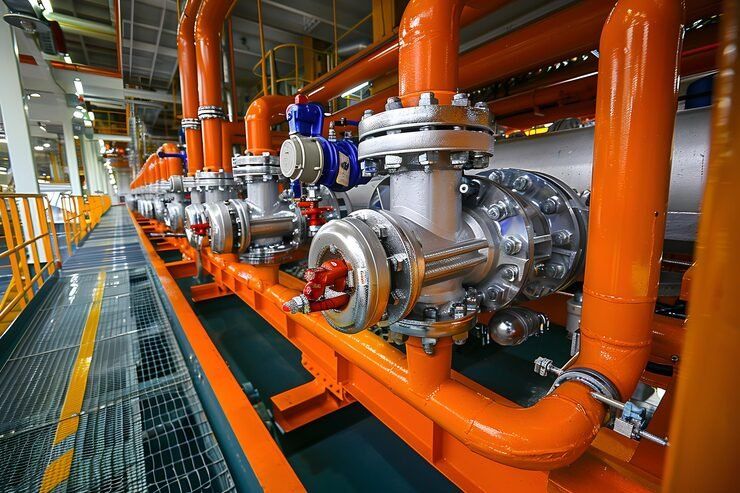
Why Industrial Fluid Systems Matter
Fluids are involved in numerous industrial processes, from transferring raw materials to cooling machinery and controlling chemical reactions. A properly engineered fluid system helps maintain the required pressure and flow throughout the process.
Key functions include:
Fluid transfer
Flow regulation
Pressure management
Filtration
Heating and cooling
Fluid storage
Process circulation
Metering and monitoring
For industrial buyers, selecting appropriate fluid handling equipment requires consideration of both individual components and their interaction as a complete system.
Main Components of Industrial Fluid Systems
Industrial Pumps
Industrial pumps provide the energy required to move fluids through piping and process equipment.
Common pump categories include:
Centrifugal pumps
Positive displacement pumps
Diaphragm pumps
Gear pumps
Screw pumps
Piston pumps
Submersible pumps
Pump selection depends on flow rate, pressure or head, fluid viscosity, temperature, chemical compatibility, and operating conditions.
Industrial Valves
Valves control the direction, pressure, and flow of fluids within industrial piping systems.
Common types include:
Ball valves
Gate valves
Globe valves
Butterfly valves
Check valves
Control valves
Pressure relief valves
The appropriate valve depends on the fluid, pressure rating, temperature, required control method, and piping configuration.
Industrial Piping
Piping provides the physical pathway through which fluids move between equipment and process areas.
Materials can include carbon steel, stainless steel, alloy steel, plastic, lined piping, and other specialized materials.
Material selection depends on pressure, temperature, corrosion, chemical compatibility, and mechanical requirements.
Tanks and Vessels
Storage tanks and process vessels hold liquids or gases before, during, or after processing.
They may include level sensors, mixers, heating or cooling systems, pressure controls, and specialized internal components.
Filters and Separators
Filtration equipment removes unwanted particles or contaminants from industrial fluids.
Depending on the process, systems may use cartridge filters, bag filters, strainers, membrane systems, separators, or specialized filtration technologies.
Industrial Fluid Technologies
Modern fluid systems incorporate several technologies to improve process control and efficiency.
Flow Control Technology
Flow-control systems regulate how much fluid moves through a process. Control valves, flow meters, variable-speed pumps, and automated controllers can work together to maintain target flow conditions.
Pressure Control
Pressure sensors, regulators, relief valves, and control systems help maintain appropriate operating pressure and protect equipment from abnormal conditions.
Flow Measurement
Industrial flow meters measure the volume or mass of fluid moving through a pipeline.
Common technologies include:
Magnetic flow meters
Coriolis flow meters
Ultrasonic flow meters
Vortex flow meters
Differential-pressure flow meters
The appropriate technology depends on fluid properties and measurement requirements.
Automated Fluid Control
Modern systems can connect pumps, valves, sensors, controllers, and monitoring platforms to automate fluid-handling processes.
PLC and SCADA systems can monitor parameters such as flow, pressure, temperature, and tank levels.
Industrial Fluid System Design
Designing an industrial fluid system requires a detailed evaluation of operating conditions.
Fluid Characteristics
Engineers need to understand viscosity, density, corrosiveness, temperature, pressure, solids content, and chemical compatibility.
Flow Requirements
The required flow rate determines the size and capacity of pumps, valves, piping, and other equipment.
Pressure Requirements
System pressure must be considered across pumps, pipelines, valves, filters, heat exchangers, and other components.
Temperature
Temperature influences fluid viscosity, material selection, seals, gaskets, and equipment performance.
Material Compatibility
Piping, pumps, valves, tanks, and seals should be compatible with the transported fluid to reduce corrosion, contamination, and component degradation.
Industrial Fluid System Manufacturing Process
Manufacturing industrial fluid systems may involve several stages.
Engineering and Design
Engineers develop process diagrams, equipment specifications, piping layouts, control architectures, and material selections.
Component Manufacturing
Pumps, valves, tanks, piping components, filters, instrumentation, and other equipment are manufactured according to their individual specifications.
Piping Fabrication
Pipes can be cut, formed, welded, machined, coated, and assembled according to the system design.
Skid Assembly
For packaged systems, pumps, valves, filters, instrumentation, piping, and controls can be assembled on a common skid before delivery to the installation site.
Testing
Systems can undergo pressure testing, leak testing, functional testing, flow verification, instrumentation checks, and other quality-control procedures.
Industrial Fluid Systems Comparison
| System Type | Primary Function | Typical Applications |
|---|---|---|
| Fluid Transfer System | Moves fluids | Manufacturing, chemical processing |
| Fluid Circulation System | Recirculates fluids | Cooling, heating, processing |
| Fluid Filtration System | Removes contaminants | Water, chemicals, process fluids |
| Fluid Cooling System | Removes heat | Manufacturing, power, data centers |
| Fluid Treatment System | Changes fluid quality | Water and process treatment |
| Fluid Dosing System | Adds controlled quantities | Chemical and pharmaceutical processes |
Industrial Applications
Industrial fluid systems are used across many sectors.
Chemical processing: Pumps, valves, piping, reactors, filters, and control systems manage process chemicals.
Oil and gas: Fluid systems transport, process, inject, separate, and manage hydrocarbons and other process fluids.
Water treatment: Pumps, filtration systems, membranes, valves, tanks, and instrumentation support water and wastewater processing.
Pharmaceutical manufacturing: Specialized fluid systems handle process water, ingredients, cleaning fluids, and other controlled materials.
Food processing: Sanitary pumps, piping, valves, tanks, and filtration systems support hygienic fluid handling.
Power generation: Cooling-water systems, feedwater systems, lubrication circuits, and other fluid networks support power-generation equipment.
Mining: Pumps, pipelines, slurry systems, dewatering equipment, and process-fluid systems are used in mineral processing and site operations.
How to Select Industrial Fluid Equipment
Businesses evaluating industrial fluid systems should consider:
Identify the fluid — Determine chemical composition, viscosity, density, temperature, and corrosiveness.
Define flow requirements — Establish required minimum, normal, and maximum flow rates.
Determine pressure requirements — Identify inlet, operating, and discharge pressures.
Select compatible materials — Match piping, pumps, valves, seals, and tanks to the fluid.
Evaluate control requirements — Determine whether manual, automated, or digitally controlled operation is required.
Consider maintenance — Review accessibility, replacement components, inspection requirements, and service intervals.
Review system integration — Confirm compatibility with PLCs, SCADA systems, sensors, and existing industrial infrastructure.
Industrial Fluid Systems Cost Factors
Industrial fluid system cost varies substantially according to system size, complexity, materials, equipment capacity, and engineering requirements.
Important factors include:
Pump capacity
Valve type and pressure rating
Piping materials
Pipeline dimensions
Tank capacity
Filtration technology
Instrumentation
Automation level
Skid configuration
Custom engineering
Installation requirements
Testing and commissioning
A simple fluid-transfer system and a fully automated chemical-processing fluid system can have significantly different engineering and procurement requirements.
Manufacturers, Suppliers and System Integrators
The industrial fluid equipment market includes specialized pump manufacturers, valve manufacturers, piping companies, filtration equipment manufacturers, process equipment suppliers, and fluid-system integrators.
When comparing industrial fluid systems suppliers, buyers should evaluate:
Technical specifications
Fluid compatibility
Pressure and temperature ratings
Equipment capacity
Engineering capabilities
Customization
Documentation
Delivery requirements
Installation and integration support
Spare-component availability
For complex projects, a system integrator or engineering company may coordinate multiple equipment categories into a complete fluid-handling system.
Frequently Asked Questions
What are industrial fluid systems?
Industrial fluid systems are engineered networks that transport, control, process, filter, heat, cool, or store liquids and gases using equipment such as pumps, valves, piping, tanks, and instrumentation.
What are the main components of an industrial fluid system?
Major components include pumps, valves, piping, tanks, filters, heat exchangers, flow meters, pressure instruments, sensors, and control systems.
How are industrial fluid systems designed?
Design depends on fluid properties, flow rate, pressure, temperature, material compatibility, equipment capacity, safety requirements, and automation needs.
What affects industrial fluid system cost?
System size, pump capacity, piping materials, valve specifications, filtration technology, automation, instrumentation, engineering, installation, and testing can influence total project cost.
Which industries use industrial fluid systems?
Chemical processing, oil and gas, water treatment, pharmaceuticals, food processing, power generation, mining, manufacturing, and many other industries use industrial fluid systems.
Conclusion
Industrial fluid systems provide the infrastructure required to move and control liquids and gases throughout modern industrial operations. Pumps, valves, piping, tanks, filtration equipment, instrumentation, and automated controls work together to maintain required flow, pressure, temperature, and process conditions.
For procurement and engineering projects, the selection process should begin with the fluid characteristics and operating requirements. Flow rate, pressure, temperature, material compatibility, automation, maintenance, and system integration should then be evaluated to develop an appropriate configuration.
As industrial facilities adopt greater automation and digital monitoring, fluid systems are increasingly connected to PLC, SCADA, sensor, and data-management technologies. This creates opportunities for more controlled, measurable, and integrated fluid-handling operations.