
Industrial forklifts are among the most important material handling machines used across warehouses, manufacturing facilities, distribution centers, construction sites, and logistics operations.
They are designed to lift, transport, stack, and organize heavy materials efficiently while supporting smoother workflows throughout industrial environments.
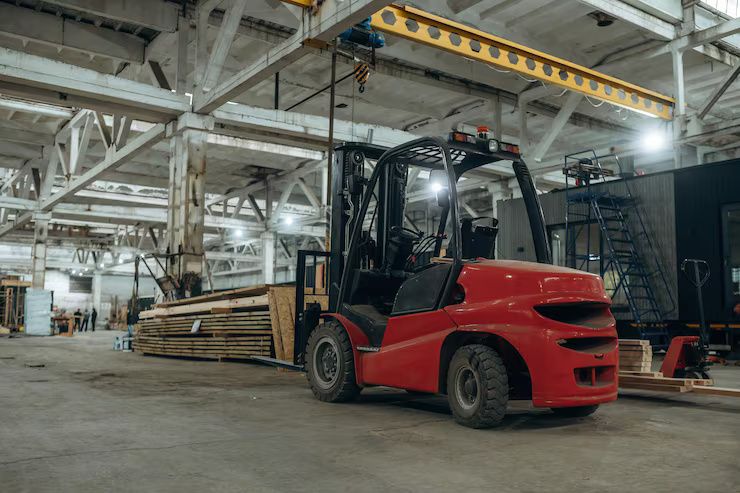
As industries continue to improve productivity through automation and smarter logistics, forklifts remain a key part of daily operations. Modern forklift equipment combines lifting capability, operator safety, energy efficiency, and advanced monitoring technologies to meet the demands of today's industrial facilities.
This guide explains what an industrial forklift is, the different types available, their major components, common industrial applications, operational considerations, maintenance practices, and how forklift fleet management contributes to efficient material handling.
What Is an Industrial Forklift?
An industrial forklift is a powered material handling vehicle designed to lift, move, stack, and transport heavy loads over short distances. It uses hydraulic lifting mechanisms combined with fork attachments that slide beneath pallets or other materials.
Industrial forklifts are commonly used to:
- Load and unload trucks
- Move inventory within warehouses
- Transport raw materials
- Stack products on storage racks
- Support manufacturing processes
- Handle packaged goods
- Organize storage facilities
Depending on operational requirements, forklifts are available in various sizes, lifting capacities, and power systems.
Why Industrial Forklifts Are Important
Manual handling of heavy materials can reduce efficiency and increase workplace risks. Forklift equipment improves productivity by allowing operators to transport large loads safely and quickly.
Some key operational benefits include:
- Faster material movement
- Improved warehouse organization
- Better utilization of storage space
- Reduced physical handling of heavy goods
- More efficient loading and unloading
- Support for continuous production workflows
Because forklifts can handle a wide range of materials, they have become essential across numerous industries.
Main Types of Industrial Forklifts
Different industrial environments require different forklift designs. Selecting the appropriate type depends on operating conditions, lifting requirements, and workspace layout.
Electric Forklift
An electric forklift operates using rechargeable battery systems instead of internal combustion engines.
These forklifts are commonly used in:
- Warehouses
- Distribution centers
- Indoor manufacturing facilities
- Food storage environments
- Retail logistics operations
Advantages include:
- Lower operating noise
- No direct exhaust emissions during operation
- Smooth acceleration
- Suitable for indoor environments
- Reduced routine engine maintenance
Electric forklift technology continues to expand as industries focus on energy efficiency and cleaner operations.
Internal Combustion Forklift
These forklifts use fuel-powered engines and are often selected for outdoor operations.
Typical applications include:
- Construction sites
- Lumber yards
- Shipping terminals
- Heavy industrial facilities
- Outdoor logistics operations
They are generally well suited for handling heavier loads across uneven surfaces.
Reach Forklift
Reach forklifts are designed for narrow warehouse aisles and high shelving systems.
Their extended lifting mechanisms allow operators to:
- Access elevated storage racks
- Maximize warehouse space
- Improve storage density
- Retrieve pallets efficiently
These forklifts are commonly found in large storage facilities.
Rough Terrain Forklift
Rough terrain forklifts are designed for challenging outdoor environments.
They feature:
- Large tires
- Increased ground clearance
- Enhanced stability
- Strong lifting capability
These machines support material handling in construction, agriculture, and infrastructure projects.
Main Components of Forklift Equipment
Understanding forklift components helps explain how these machines safely move industrial materials.
Forks
The forks are the primary load-carrying attachments.
They are designed to:
- Slide beneath pallets
- Lift heavy materials
- Support balanced loads
- Transport products safely
Fork dimensions vary depending on intended applications.
Mast
The mast is the vertical lifting assembly responsible for raising and lowering loads.
Modern masts may include multiple lifting stages to increase maximum lifting height while maintaining stability.
Hydraulic System
Hydraulic cylinders generate the force required to lift materials.
The hydraulic system controls:
- Vertical lifting
- Forward mast tilt
- Backward mast tilt
- Attachment movement
Proper hydraulic performance is essential for smooth operation.
Counterweight
A forklift remains stable because of its counterweight.
Located at the rear of the vehicle, the counterweight balances the weight carried by the forks, reducing the risk of tipping during operation.
Operator Compartment
The operator area includes:
- Steering controls
- Pedals
- Instrument displays
- Safety restraints
- Visibility enhancements
Modern designs focus on operator comfort and improved situational awareness.
Tires
Forklift tires vary depending on operating conditions.
Common types include:
- Cushion tires for smooth indoor floors
- Pneumatic tires for outdoor surfaces
- Solid tires for industrial durability
Proper tire selection contributes to stability and handling performance.
How Industrial Forklifts Work
Industrial forklifts combine mechanical, hydraulic, and electrical systems to move materials efficiently.
The basic operating process involves:
- Positioning the forks beneath the load.
- Raising the load using hydraulic lifting mechanisms.
- Transporting the material to the destination.
- Lowering the load into its final position.
- Reversing safely before moving to the next task.
This simple workflow supports a wide variety of industrial operations.
Common Industrial Applications
Industrial forklifts are used across many sectors because they handle diverse materials efficiently.
Warehousing
Forklifts assist with:
- Inventory movement
- Rack storage
- Order fulfillment
- Pallet transportation
- Loading docks
Warehouses rely heavily on forklifts to maintain organized inventory flow.
Manufacturing
Manufacturing facilities use forklifts to transport:
- Raw materials
- Work-in-progress inventory
- Finished products
- Production equipment
- Packaging materials
Continuous material movement helps production lines operate efficiently.
Logistics and Distribution
Distribution centers depend on forklifts for:
- Truck loading
- Container unloading
- Shipment organization
- Inventory transfers
- Cross-docking operations
Efficient forklift operations help reduce transportation delays.
Construction
Construction projects use forklifts to move:
- Building materials
- Steel components
- Concrete products
- Equipment
- Bulk supplies
Outdoor forklifts are particularly valuable in changing site conditions.
Agriculture
Agricultural operations use forklifts for handling:
- Feed supplies
- Harvested crops
- Fertilizer containers
- Storage materials
- Equipment transportation
Their versatility supports seasonal workloads.
Comparing Electric and Fuel-Powered Forklifts
| Feature | Electric Forklift | Fuel-Powered Forklift |
|---|---|---|
| Primary Environment | Indoor | Outdoor |
| Noise Level | Lower | Higher |
| Exhaust During Operation | None at point of use | Engine emissions |
| Routine Maintenance | Generally fewer engine-related tasks | More engine servicing |
| Power Source | Rechargeable battery | Internal combustion engine |
| Typical Applications | Warehouses, factories | Construction, outdoor logistics |
The most appropriate option depends on operational requirements rather than one technology being universally better.
Forklift Fleet Management
As organizations operate multiple forklifts, effective forklift fleet management becomes increasingly important.
Fleet management involves monitoring:
- Equipment utilization
- Maintenance schedules
- Operator assignments
- Inspection records
- Battery charging or fuel usage
- Safety compliance
- Operational efficiency
Digital monitoring systems allow organizations to make informed decisions based on equipment performance and usage patterns.
Maintenance Considerations
Routine maintenance helps forklifts remain reliable while supporting safe industrial operations.
Typical maintenance activities include:
- Hydraulic inspections
- Tire condition checks
- Brake testing
- Battery inspection for electric forklifts
- Fluid level monitoring
- Mast lubrication
- Fork inspection
- Steering system evaluation
Scheduled maintenance reduces unexpected downtime and supports long-term equipment performance.
Workplace Safety Considerations
Safe forklift operation depends on both equipment condition and workplace procedures.
Important safety practices include:
- Conducting pre-operation inspections
- Following designated travel routes
- Keeping loads balanced
- Maintaining clear visibility
- Observing load capacity limits
- Using appropriate personal protective equipment where required
- Following facility operating procedures
A strong safety culture contributes to efficient and reliable material handling.
Technology in Modern Forklift Equipment
Today's industrial forklifts increasingly incorporate advanced technologies.
Examples include:
- Digital operator displays
- Battery management systems
- Fleet monitoring software
- GPS tracking for large facilities
- Collision awareness systems
- Telematics
- Remote diagnostics
- Predictive maintenance tools
These technologies help improve operational visibility while supporting more efficient fleet management.
Future Trends in Industrial Forklifts
Material handling continues to evolve as industries adopt smarter manufacturing practices.
Emerging trends include:
- Expanded use of electric forklift technology
- Improved battery efficiency
- Automated guided forklifts
- Artificial intelligence-assisted fleet management
- Connected warehouse systems
- Enhanced operator assistance technologies
- Integration with smart factory platforms
These developments aim to improve productivity while supporting sustainable industrial operations.
Frequently Asked Questions
What is an industrial forklift?
An industrial forklift is a powered material handling vehicle used to lift, transport, stack, and organize heavy materials within warehouses, factories, logistics centers, construction sites, and other industrial environments.
Where is an electric forklift commonly used?
Electric forklifts are commonly used indoors, including warehouses, manufacturing facilities, distribution centers, and storage operations where lower noise levels and the absence of direct exhaust emissions during operation are beneficial.
What are the main components of forklift equipment?
Key components include the forks, mast, hydraulic system, counterweight, operator compartment, power system, steering controls, and tires, all working together to safely lift and transport materials.
What is forklift fleet management?
Forklift fleet management involves monitoring and coordinating multiple forklifts through maintenance scheduling, equipment tracking, operational analysis, safety records, and utilization management to improve overall efficiency.
Which industries depend on industrial forklifts?
Industrial forklifts are widely used in warehousing, manufacturing, logistics, construction, agriculture, retail distribution, ports, and many other industries that regularly handle heavy materials.
Conclusion
Industrial forklifts remain one of the most valuable pieces of material handling equipment across modern industry. Their ability to move heavy loads efficiently supports warehouse operations, manufacturing processes, logistics networks, and construction activities while improving productivity and workflow organization. Understanding the different types of forklifts, including the growing role of the electric forklift, along with their key components and operational capabilities, helps businesses and industry professionals make informed equipment decisions.
As technology continues to advance, forklift equipment is becoming smarter, safer, and more connected through digital monitoring, telematics, and forklift fleet management systems. By combining proper equipment selection, regular maintenance, effective operational planning, and strong workplace safety practices, organizations can optimize material handling processes and support efficient industrial operations well into the future.