
Industrial machinery operates under demanding conditions every day. High temperatures, heavy loads, continuous movement, and challenging operating environments can gradually increase wear on mechanical components. To maintain reliable operation and extend equipment life, industries depend on high-quality industrial lubricants.
Industrial lubricants do much more than reduce friction. They help control temperature, minimize wear, protect equipment from corrosion, and improve the overall efficiency of manufacturing operations. As industries adopt advanced automation and smart manufacturing technologies, lubricant formulations have also evolved to meet the performance requirements of modern machinery.
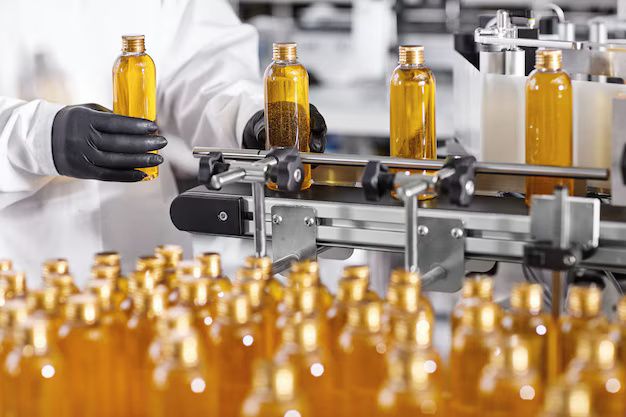
This guide explains how industrial lubricants work, the different lubrication technologies available, and their importance across a wide range of industrial applications.
What Are Industrial Lubricants?
Industrial lubricants are specially formulated oils, greases, and synthetic fluids designed to reduce friction between moving machine parts. They create a protective layer that minimizes direct metal-to-metal contact while helping equipment operate smoothly under varying conditions.
In addition to reducing wear, industrial lubricants help remove heat, protect surfaces from corrosion, and prevent contamination inside mechanical systems.
A typical lubrication system may include several key components:
- Lubricating fluid or grease
- Pumps and circulation systems
- Filters
- Storage reservoirs
- Monitoring equipment
Together, these components help maintain continuous lubrication throughout industrial operations.
Why Industrial Lubricants Are Important
Manufacturing equipment often operates continuously for extended periods. Without proper lubrication, excessive friction can increase component wear, reduce efficiency, and shorten equipment lifespan.
Industrial lubricants help manufacturers improve equipment reliability while supporting consistent production performance.
Some important advantages include:
- Reduced mechanical friction
- Improved equipment durability
- Better heat dissipation
- Enhanced operational efficiency
These benefits make lubrication an essential part of preventive maintenance and modern manufacturing.
Types of Industrial Lubricants
Different machines require different lubricant formulations depending on operating conditions and performance requirements.
1. Mineral Oil Lubricants
Mineral oil lubricants are widely used across many industries because they provide dependable lubrication for general-purpose machinery.
These lubricants are commonly used in pumps, compressors, gear systems, and industrial equipment operating under moderate conditions.
2. Synthetic Lubricants
Synthetic lubricants are engineered to perform under demanding operating environments.
They provide excellent stability at high and low temperatures while maintaining consistent lubrication over extended operating periods.
These lubricants are frequently used in high-performance industrial equipment and automated manufacturing systems.
3. Industrial Greases
Greases combine lubricating oil with thickening agents to remain in place during operation.
They are particularly useful for bearings, joints, and machinery that require long-lasting lubrication where liquid oils may not remain effective.
4. Specialty Lubricants
Some industrial applications require lubricants specifically developed for unique operating environments.
These formulations may be designed for food processing equipment, high-temperature manufacturing, heavy-load machinery, or corrosion-prone environments.
How Industrial Lubricants Work
Industrial lubricants perform several important functions that support reliable equipment operation.
Friction Reduction
The lubricant forms a protective film between moving surfaces.
This film reduces direct contact between metal components, minimizing friction and decreasing mechanical wear.
Heat Control
As machinery operates, friction generates heat.
Lubricants help absorb and transfer this heat away from critical components, preventing excessive temperature buildup that could affect equipment performance.
Surface Protection
Lubricants protect machine surfaces from moisture, oxidation, and corrosion.
This protective barrier helps maintain component integrity even in challenging industrial environments.
Contaminant Removal
Many lubrication systems continuously circulate lubricant through filters.
This process removes particles and contaminants that could otherwise damage machinery or reduce operating efficiency.
Lubrication Technologies
Modern lubrication systems have advanced considerably with the introduction of automation and digital monitoring technologies.
Automatic Lubrication Systems
Automatic lubrication systems deliver the required amount of lubricant directly to machine components without manual intervention.
This helps ensure consistent lubrication while reducing maintenance requirements.
These systems are commonly used in large manufacturing facilities where numerous machines operate simultaneously.
Centralized Lubrication Systems
Centralized systems distribute lubricant from a single supply point to multiple machines or lubrication points.
This approach simplifies maintenance while improving lubrication consistency across production equipment.
Condition Monitoring Technologies
Modern lubrication programs increasingly rely on monitoring systems that evaluate lubricant condition during operation.
These systems monitor factors such as:
- Lubricant temperature
- Pressure levels
- Contamination
- Fluid quality
Continuous monitoring helps identify maintenance needs before equipment performance is affected.
Performance Solutions for Industrial Equipment
Lubricants contribute to equipment performance in several important ways beyond simply reducing friction.
Improving Equipment Reliability
Consistent lubrication helps reduce unexpected equipment failures by protecting moving components from excessive wear.
Reliable machinery supports smoother production schedules and improves manufacturing efficiency.
Supporting Energy Efficiency
Well-lubricated equipment typically requires less mechanical effort to operate.
Reduced friction allows machinery to function more efficiently, supporting lower energy consumption across production systems.
Extending Equipment Life
Proper lubrication helps reduce long-term component wear.
As a result, machinery often remains operational for longer periods while requiring fewer major repairs.
Industrial Applications of Industrial Lubricants
Industrial lubricants are used across nearly every manufacturing sector where machinery operates under demanding conditions.
Manufacturing Industry
Production equipment relies on lubricants to maintain smooth operation throughout continuous manufacturing processes.
Applications include conveyors, gearboxes, hydraulic systems, and production machinery.
Automotive Manufacturing
Automotive production facilities use industrial lubricants throughout machining, metal forming, assembly, and testing operations.
These lubricants support precision manufacturing while protecting high-speed equipment.
Mining and Heavy Equipment
Mining equipment operates under extremely demanding conditions involving heavy loads and abrasive environments.
Specialized lubricants help protect machinery from excessive wear while maintaining reliable performance.
Food and Beverage Processing
Food processing facilities use specially formulated lubricants designed for equipment operating in hygienic production environments.
These products help maintain reliable machine operation while supporting strict manufacturing standards.
Benefits of Industrial Lubricants
Modern industrial lubricants provide numerous advantages that improve equipment performance and production reliability.
Some important benefits include:
- Reduced equipment wear
- Improved production efficiency
- Better machinery protection
- Longer maintenance intervals
These advantages contribute to more reliable manufacturing operations across many industries.
Challenges in Industrial Lubrication
Although lubrication is essential, selecting the correct lubricant requires careful evaluation of equipment design and operating conditions.
Manufacturers must consider factors such as temperature, pressure, operating speed, environmental conditions, and material compatibility when choosing lubrication solutions.
Regular lubricant analysis, proper storage practices, and scheduled maintenance also play important roles in maintaining equipment performance over time.
With a well-planned lubrication strategy, organizations can significantly improve machinery reliability and operational efficiency.
Future Trends in Industrial Lubrication
Industrial lubrication continues to evolve through advances in materials science, digital monitoring, and sustainable manufacturing practices.
Manufacturers are developing environmentally responsible lubricants, advanced synthetic formulations, and intelligent monitoring systems capable of analyzing lubricant performance in real time.
Artificial intelligence, Industrial Internet of Things (IIoT), and predictive maintenance technologies are also improving lubrication management by identifying potential equipment issues before they develop into significant operational problems.
As smart manufacturing continues to expand, lubrication systems will become increasingly connected, automated, and data-driven.
Conclusion
Industrial lubricants are a critical part of modern manufacturing, helping machinery operate efficiently while reducing friction, wear, and equipment downtime. Through advanced lubrication technologies, high-performance formulations, and intelligent monitoring systems, these products support reliable industrial operations across a wide range of sectors.
As manufacturing technologies continue to advance, industrial lubricants will remain essential for improving equipment performance, extending machinery lifespan, and supporting sustainable industrial production. Their continued development will play an important role in the future of efficient and reliable manufacturing systems.