Industrial sealing machines are specialized production systems designed to close, protect, and secure different types of packaging materials used across manufacturing and processing industries. These machines create sealed packages by applying heat, pressure, adhesives, ultrasonic energy, or other sealing methods to maintain product protection, quality, and durability during storage and transportation.
Modern industrial sealing machines combine advanced packaging technologies, automated control systems, sensors, robotics, and digital monitoring solutions. They are widely used in food processing, pharmaceuticals, chemicals, consumer products, logistics, electronics, and manufacturing industries. With the growth of smart manufacturing, sealing systems are increasingly integrated with automated production lines, Industrial Internet of Things (IIoT) platforms, and packaging management software.
Context
What Are Industrial Sealing Machines?
Industrial sealing machines are production equipment designed to join packaging materials together and create secure closures. They are used for different packaging formats, including pouches, bags, containers, cartons, trays, and flexible films.
The primary purpose of sealing is to protect products from external factors such as moisture, contamination, air exposure, and physical damage.
Common packaging materials sealed by industrial machines include:
- Plastic films
- Laminated materials
- Aluminum foils
- Paper-based packaging
- Flexible pouches
- Polymer containers
- Composite packaging materials
The selection of sealing technology depends on material type, product requirements, and production conditions.
How Sealing Systems Work
Industrial sealing systems operate by applying controlled energy or mechanical force to create a strong closure between packaging materials.
The general process includes:
- Packaging material is positioned in the sealing area.
- The machine applies heat, pressure, ultrasonic energy, or adhesive.
- The sealing area bonds together.
- Cooling or stabilization occurs.
- The sealed package moves to the next production stage.
- Quality checks verify the sealing condition.
Automated controls help maintain consistent sealing temperature, pressure, and processing time.
Types of Industrial Sealing Machines
Different industries use different sealing technologies based on packaging requirements.
| Sealing Machine Type | Primary Function | Typical Applications |
|---|---|---|
| Heat Sealing Machine | Uses controlled heat to bond materials | Plastic bags and pouches |
| Induction Sealing Machine | Uses electromagnetic energy | Bottle and container sealing |
| Ultrasonic Sealing Machine | Uses high-frequency vibration | Medical and food packaging |
| Vacuum Sealing Machine | Removes air before sealing | Food and specialty products |
| Continuous Band Sealer | Provides continuous sealing | Industrial packaging lines |
| Carton Sealing Machine | Closes cardboard packaging | Logistics and warehouses |
Each machine type is designed for specific packaging materials and production environments.
Main Components of Industrial Sealing Equipment
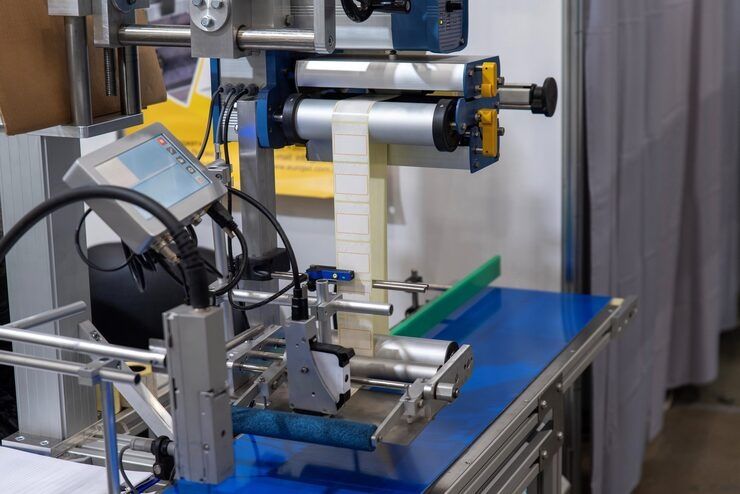
Industrial sealing machines generally include:
- Heating elements
- Sealing jaws or rollers
- Conveyor systems
- Control panels
- Temperature controllers
- Pressure systems
- Sensors
- Material handling units
- Safety systems
These components work together to produce reliable packaging closures.
Importance
Why Industrial Sealing Machines Matter
Packaging plays an important role in protecting products during manufacturing, storage, and transportation. Industrial sealing machines help maintain package integrity while supporting efficient production processes.
Consistent sealing helps reduce packaging failures and supports product protection throughout the supply chain.
Supporting Packaging Technologies
Modern packaging technologies rely on sealing systems for various production activities.
Common applications include:
- Food packaging
- Pharmaceutical packaging
- Chemical containers
- Electronics protection
- Industrial components
- Consumer product packaging
- Logistics packaging
Each application requires specific sealing methods and equipment configurations.
Industrial Applications
Industrial sealing machines are used across many industries.
Food Processing: Sealing equipment is used for snacks, frozen products, beverages, sauces, dry foods, and flexible food packaging.
Pharmaceutical Manufacturing: Sealing systems support packaging of medical products, laboratory materials, and healthcare-related packaging where controlled protection is required.
Chemical Industry: Industrial containers, bags, and flexible packaging for chemical materials use specialized sealing technologies.
Electronics Manufacturing: Sealing systems protect electronic components from dust, moisture, and environmental conditions.
Logistics and Warehousing: Automated sealing equipment closes cartons, parcels, and transport packaging for distribution operations.
Benefits of Modern Sealing Systems
Modern industrial sealing equipment provides several operational advantages.
These include:
- Consistent package closure
- Automated production capability
- Improved packaging speed
- Reduced manual handling
- Integration with production lines
- Digital process monitoring
Performance depends on machine design, packaging materials, operating conditions, and maintenance practices.
Recent Updates
Smart Packaging Equipment Integration
Between 2024 and 2026, industrial sealing machines have increasingly incorporated smart monitoring technologies. Sensors now monitor sealing temperature, pressure, machine speed, and equipment status during production.
These systems provide better visibility into packaging operations.
Automation and Robotics
Modern packaging lines increasingly combine sealing machines with robotics for:
- Product placement
- Packaging movement
- Inspection
- Sorting
- Palletizing
- Material handling
Automation improves coordination between different stages of production.
Artificial Intelligence in Quality Monitoring
Artificial intelligence technologies are increasingly used with packaging systems to analyze production information and identify possible sealing variations.
AI-based monitoring can evaluate:
- Seal appearance
- Packaging alignment
- Production patterns
- Equipment performance
Human operators continue supervising quality decisions and production processes.
Industrial Internet of Things Connectivity
Industrial sealing machines are increasingly connected with:
- Manufacturing Execution Systems (MES)
- Industrial IoT platforms
- SCADA systems
- Production analytics software
- Equipment monitoring platforms
Connected systems allow manufacturers to observe packaging performance and equipment conditions.
Sustainable Packaging Developments
Packaging industries continue exploring recyclable materials, improved sealing methods, and efficient production processes to reduce material waste and support environmental goals.
Laws or Policies
Packaging Safety Regulations
Industries using sealing equipment generally follow packaging regulations related to product protection, material safety, labeling requirements, and manufacturing practices.
Requirements vary depending on the product category and region.
Food Packaging Standards
Food packaging operations often follow regulations covering hygiene, material suitability, contamination prevention, and packaging integrity.
These requirements help maintain safe food handling practices.
Pharmaceutical Packaging Requirements
Pharmaceutical packaging systems follow strict guidelines related to product protection, quality control, documentation, and packaging performance.
Specific requirements depend on the product type and regulatory environment.
Machinery Safety Standards
Industrial sealing machines generally follow safety standards covering machine operation, electrical systems, emergency controls, guarding, and operator protection.
Organizations establish procedures to support safe equipment operation.
Tools and Resources
Packaging Design Software
Packaging design software helps engineers develop:
- Packaging structures
- Material layouts
- Seal designs
- Production specifications
- Product dimensions
These tools support packaging development.
Manufacturing Execution Systems
Manufacturing Execution Systems help manage:
- Production scheduling
- Equipment monitoring
- Quality records
- Packaging data
- Process documentation
These platforms improve production visibility.
Quality Inspection Systems
Digital inspection equipment evaluates:
- Seal quality
- Package alignment
- Surface defects
- Product placement
- Packaging consistency
These systems support quality monitoring during production.
Equipment Monitoring Platforms
Industrial monitoring platforms collect information such as:
- Machine temperature
- Sealing pressure
- Production speed
- Operating hours
- Equipment status
- Maintenance history
These platforms support equipment management.
Educational Resources
People interested in industrial sealing machines often learn from:
- Packaging engineering organizations
- Manufacturing technology publications
- Industrial automation resources
- International standards organizations
- Technical training materials
- Engineering publications
These resources explain packaging technologies, sealing systems, production equipment, and industrial applications.
FAQs
What is an industrial sealing machine?
An industrial sealing machine is production equipment used to close and secure packaging materials through heat, pressure, ultrasonic energy, adhesives, or other sealing methods.
What are the main types of industrial sealing systems?
Common sealing systems include heat sealing, induction sealing, ultrasonic sealing, vacuum sealing, continuous band sealing, and carton sealing technologies.
Where are industrial sealing machines used?
Industrial sealing machines are widely used in food processing, pharmaceuticals, chemicals, electronics, logistics, consumer products, and manufacturing industries.
How do packaging technologies use sealing equipment?
Packaging technologies use sealing equipment to create secure closures that protect products from moisture, contamination, air exposure, and physical damage.
Why are industrial sealing machines important in manufacturing?
Industrial sealing machines support efficient packaging operations, consistent product protection, automated production lines, and reliable packaging processes across multiple industries.
Conclusion
Industrial sealing machines are essential production equipment used to create secure and reliable packaging solutions across various industries. Through advanced packaging technologies, automated sealing systems, and digital monitoring capabilities, these machines support consistent manufacturing and efficient packaging operations. As smart manufacturing continues to develop, industrial sealing equipment remains an important part of modern production systems and industrial automation.