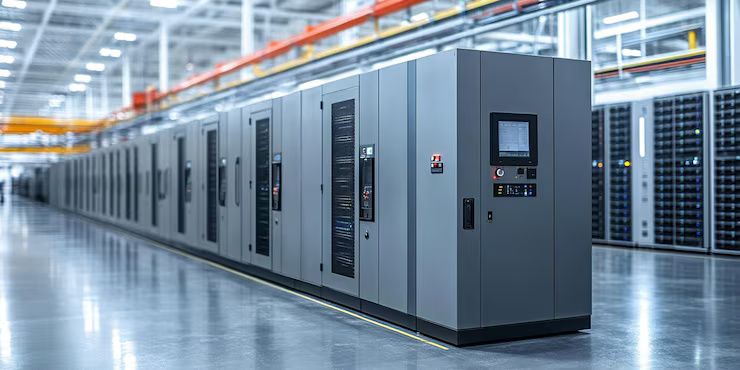
Industrial Uninterruptible Power Supply (UPS) systems are specialized electrical systems designed to provide continuous power to critical industrial equipment during power interruptions, voltage fluctuations, and other electrical disturbances. Unlike conventional backup power equipment used in homes or offices, industrial UPS systems are engineered for demanding environments where manufacturing processes, automation systems, control equipment, and industrial infrastructure require reliable electrical continuity.
Modern industrial UPS technologies combine advanced power electronics, battery management systems, intelligent monitoring, and digital communication capabilities. These systems are widely used in manufacturing plants, power generation facilities, oil and gas operations, data centers, healthcare infrastructure, transportation networks, water treatment facilities, and renewable energy installations. As Industry 4.0 continues to evolve, industrial UPS systems are increasingly integrated with smart manufacturing platforms, Industrial Internet of Things (IIoT) networks, and energy management systems.
Context
What Is an Industrial UPS?
An industrial UPS is an electrical power protection system that automatically supplies stored electrical energy whenever the primary power source experiences interruptions or unstable operating conditions. It acts as an intermediary between the electrical supply and connected equipment, ensuring that critical systems continue operating without immediate disruption.
Industrial UPS systems protect equipment against various power quality issues, including:
- Power outages
- Voltage sags
- Voltage surges
- Frequency variations
- Electrical noise
- Short-duration interruptions
- Power fluctuations
These systems help maintain stable electrical conditions for sensitive industrial equipment.
How Uninterruptible Power Supply Technologies Work
Industrial UPS systems continuously monitor incoming electrical power and respond automatically when abnormalities occur.
The general operating process includes:
- Utility power enters the UPS.
- Internal power conversion circuits regulate incoming electricity.
- Batteries remain charged during normal operation.
- Connected equipment receives conditioned electrical power.
- During a power interruption, stored battery energy supplies electricity instantly.
- Once normal power returns, the UPS resumes regular operation and recharges the batteries.
This transition typically occurs without interrupting connected equipment.
Types of Industrial UPS Systems
Different industrial applications require different UPS technologies.
| UPS Type | Primary Function | Typical Applications |
|---|---|---|
| Offline UPS | Basic backup protection | Small industrial equipment |
| Line-Interactive UPS | Voltage regulation and backup | Control panels |
| Online Double Conversion UPS | Continuous power conditioning | Critical manufacturing systems |
| Modular UPS | Expandable power capacity | Large industrial facilities |
| Rotary UPS | Mechanical energy storage | Heavy industrial operations |
| DC UPS | Direct current backup power | Telecommunications and automation |
Each UPS type is selected according to power requirements, operating environment, and equipment criticality.
Main Components of an Industrial UPS
Industrial UPS systems typically include:
- Rectifier
- Inverter
- Battery bank
- Static bypass switch
- Power control electronics
- Cooling system
- Monitoring controller
- Communication interface
These components work together to provide reliable power protection.
Importance
Why Industrial UPS Systems Matter
Industrial facilities depend on continuous electrical power to operate automation systems, production equipment, communication networks, and safety systems. Even brief power interruptions can affect manufacturing processes and equipment operation.
Industrial UPS systems help maintain electrical continuity while protecting connected equipment from unstable power conditions.
Supporting Power Protection Systems
Power protection systems safeguard many types of industrial equipment.
Common protected equipment includes:
- Programmable Logic Controllers (PLCs)
- Industrial computers
- SCADA systems
- Manufacturing Execution Systems (MES)
- Communication networks
- Industrial robotics
- Process control equipment
- Safety systems
Reliable power protection supports stable industrial operations.
Applications Across Industries
Industrial UPS systems are used in many sectors.
Manufacturing: Production lines, automation equipment, robotics, and industrial control systems rely on uninterrupted electrical power.
Power Generation: Control systems, monitoring equipment, and protection devices use UPS systems to maintain continuous operation.
Healthcare: Medical equipment, laboratory systems, and critical infrastructure depend on stable backup power.
Water Treatment: Pump control systems, monitoring equipment, and automation networks remain operational during electrical interruptions.
Transportation: Railway signaling, airport infrastructure, and traffic management systems use industrial UPS equipment for power continuity.
Advantages of Modern Power Protection Systems
Industrial UPS technologies provide several operational benefits.
These include:
- Continuous electrical supply
- Voltage regulation
- Protection against electrical disturbances
- Stable power for sensitive equipment
- Integration with industrial automation
- Centralized monitoring capabilities
Performance depends on equipment design, battery condition, operating environment, and maintenance practices.
Recent Updates
Smart UPS Monitoring
Between 2024 and 2026, industrial UPS systems have increasingly incorporated intelligent monitoring technologies. Built-in sensors monitor battery health, temperature, electrical load, operating efficiency, and overall system performance.
Maintenance personnel can review this information through centralized monitoring platforms.
Lithium-Ion Battery Adoption
Many industrial facilities are gradually adopting lithium-ion battery technologies for UPS applications due to improvements in energy density, operational lifespan, charging characteristics, and maintenance requirements.
Traditional valve-regulated lead-acid batteries continue to be widely used depending on application requirements.
Integration with Industry 4.0
Modern industrial UPS systems increasingly communicate with:
- Industrial Internet of Things (IIoT) platforms
- Energy management systems
- Building management systems
- SCADA software
- Manufacturing Execution Systems
- Predictive maintenance platforms
These connections improve visibility into electrical infrastructure.
Predictive Maintenance Capabilities
Advanced UPS platforms increasingly use analytics software to monitor:
- Battery condition
- Charging cycles
- Internal temperature
- Electrical load
- Component health
- Historical operating trends
This information supports planned maintenance activities.
Higher Energy Efficiency
Manufacturers continue improving power conversion technologies through advanced semiconductor devices, improved cooling systems, and optimized inverter designs that reduce energy losses during normal operation.
Laws or Policies
Electrical Safety Standards
Industrial UPS systems are generally manufactured and installed according to internationally recognized electrical safety standards covering insulation, protective devices, grounding, and equipment testing.
Applicable standards vary depending on country and industry.
Battery Safety Regulations
UPS battery systems are subject to regulations governing battery installation, storage, ventilation, maintenance, transportation, and recycling.
Organizations follow these requirements to support safe battery management.
Workplace Safety Requirements
Industrial facilities generally implement workplace safety procedures covering electrical maintenance, lockout procedures, emergency power systems, and personnel protection.
These procedures help reduce electrical hazards during installation and maintenance.
Energy Management Standards
Many industrial organizations follow internationally recognized energy management frameworks that encourage efficient electrical system operation, monitoring, and continuous improvement.
Industrial UPS systems often contribute to these broader energy management strategies.
Tools and Resources
UPS Monitoring Software
Digital monitoring platforms display real-time information such as:
- Battery status
- Load percentage
- Input voltage
- Output voltage
- Operating temperature
- Alarm history
These platforms support equipment management and maintenance planning.
Power Quality Analysis Software
Engineers use electrical analysis software to evaluate:
- Voltage stability
- Frequency variations
- Harmonic distortion
- Load characteristics
- Power factor
- Electrical events
These analyses support reliable electrical system design.
Energy Management Platforms
Energy management software integrates UPS systems with broader industrial electrical infrastructure, allowing centralized monitoring of energy usage and equipment status.
Electrical Design Software
Computer-aided engineering tools assist with:
- UPS sizing
- Load calculations
- Battery capacity analysis
- Power distribution design
- Short-circuit analysis
These tools support electrical system planning.
Educational Resources
People interested in industrial UPS technologies often learn from:
- Electrical engineering organizations
- Industrial automation publications
- Power electronics textbooks
- International standards organizations
- Electrical safety resources
- Technical training materials
These resources explain power protection systems, electrical infrastructure, battery technologies, and industrial applications.
FAQs
What is an industrial UPS?
An industrial UPS is an uninterruptible power supply system that provides continuous electrical power to industrial equipment during power interruptions and electrical disturbances.
How do industrial UPS systems work?
Industrial UPS systems monitor incoming electrical power, regulate voltage, maintain charged batteries, and automatically provide backup power whenever the primary electrical supply becomes unstable or unavailable.
Where are industrial UPS systems used?
Industrial UPS systems are widely used in manufacturing plants, power stations, healthcare facilities, transportation infrastructure, water treatment plants, renewable energy facilities, and industrial automation systems.
What are power protection systems used for?
Power protection systems help protect industrial equipment from power outages, voltage fluctuations, electrical noise, frequency variations, and other electrical disturbances that may affect equipment operation.
Why are industrial UPS systems important in industrial applications?
Industrial UPS systems maintain continuous electrical power for automation equipment, control systems, communication networks, and critical industrial infrastructure while supporting stable and reliable operations.
Conclusion
Industrial UPS systems are essential components of modern electrical infrastructure, providing uninterrupted power through advanced power protection technologies and intelligent power management. By combining power conversion technologies, battery management systems, and digital monitoring capabilities, these systems help maintain reliable operation across manufacturing, energy, transportation, and process industries. As industrial automation and smart manufacturing continue to advance, industrial UPS systems remain an important part of resilient electrical power distribution and connected industrial operations.