
As technology continues to reshape transportation and supply chain operations, drone logistics has emerged as one of the most discussed innovations in modern distribution.
While drones were once primarily associated with photography and recreation, they are now being explored for commercial applications such as package transportation, inventory management, emergency response, infrastructure inspection, and last-mile delivery.
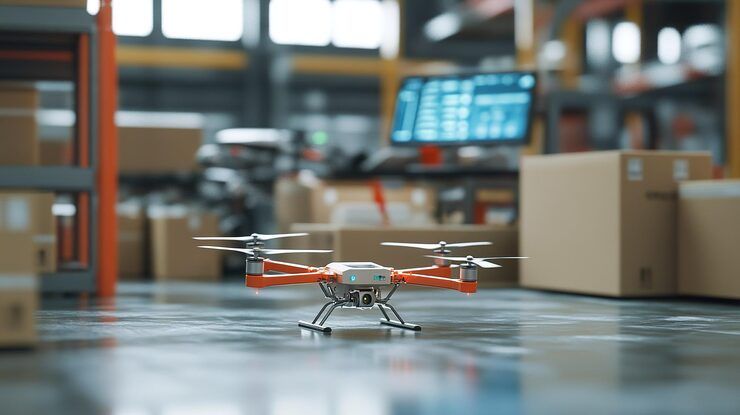
Drone logistics is not intended to replace every traditional transportation method. Instead, it complements existing logistics networks by improving efficiency in specific situations where speed, accessibility, or automation can provide meaningful advantages. As industries continue adopting digital technologies, drones are becoming an important part of smarter, more connected supply chain ecosystems.
This guide explains what drone logistics is, how it works, the technologies behind it, its applications, benefits, limitations, and the future of smart supply chain operations.
What Is Drone Logistics?
Drone logistics refers to the use of unmanned aerial vehicles (UAVs) to support the movement of goods, materials, and operational information within a supply chain. These drones can transport lightweight packages, monitor inventory, inspect facilities, and collect real-time operational data.
Modern drone logistics often integrates with digital supply chain systems, allowing businesses to coordinate aerial transportation alongside traditional delivery methods.
Related concepts commonly include:
- Drone Delivery Solutions
- Commercial Drone Services
- Autonomous Drone Delivery
- Drone Fleet Management
Together, these technologies contribute to faster decision-making and more efficient logistics planning.
How Drone Logistics Works
Drone logistics combines aviation technology, navigation systems, communication networks, and logistics software to complete transportation tasks.
A typical workflow includes:
- A delivery request or logistics task is created.
- The system selects an appropriate drone based on payload capacity and route.
- Flight planning software calculates a safe route.
- The drone completes its journey using navigation and positioning technologies.
- Delivery or operational data is recorded and transmitted back to the logistics platform.
- Fleet management software updates operational status for future assignments.
Many systems include continuous monitoring to support operational awareness throughout the flight.
Key Technologies Behind Drone Logistics
Drone logistics depends on several advanced technologies working together.
Global Navigation Systems
Navigation technologies help drones determine their location and follow predetermined routes with accuracy.
These systems support:
- Route guidance
- Position tracking
- Flight stability
- Destination accuracy
Autonomous Flight Software
Autonomous Drone Delivery relies on intelligent software that enables drones to perform many operational tasks with minimal manual intervention.
Functions may include:
- Route optimization
- Automatic takeoff
- Controlled landing
- Obstacle awareness
- Return-to-base procedures
Automation improves operational consistency while reducing manual workload.
Communication Networks
Reliable communication allows drones to exchange information with control systems throughout the flight.
This may include:
- Flight status
- Navigation updates
- Operational alerts
- Delivery confirmation
- Weather monitoring
Stable connectivity is essential for maintaining safe and efficient operations.
Fleet Management Platforms
Drone Fleet Management systems coordinate multiple drones operating within the same logistics network.
These platforms help manage:
- Scheduling
- Battery monitoring
- Maintenance records
- Flight assignments
- Operational reporting
- Fleet availability
As drone operations expand, fleet management becomes increasingly important for maintaining efficiency.
Applications of Drone Logistics
Drone technology supports a wide variety of industries beyond package delivery.
Last-Mile Delivery
One of the most recognized uses of Drone Delivery Solutions is transporting lightweight items from local distribution centers to nearby destinations.
Potential applications include:
- Consumer packages
- Medical supplies
- Documents
- Small replacement parts
Last-mile delivery remains one of the most promising areas for drone logistics because it often represents the most time-sensitive portion of the delivery process.
Healthcare and Emergency Support
Healthcare organizations are exploring drone transportation for situations requiring rapid movement of essential supplies.
Examples include:
- Laboratory samples
- Emergency medical equipment
- Vaccines
- Blood products
In remote locations, aerial transportation may improve accessibility where traditional transportation is more challenging.
Warehouse Operations
Inside large warehouses, drones can assist inventory management by scanning storage locations and collecting stock information.
Benefits may include:
- Faster inventory checks
- Reduced manual inspections
- Improved stock visibility
- Better warehouse accuracy
This supports smarter inventory planning throughout the supply chain.
Infrastructure Inspection
Commercial Drone Services are frequently used to inspect infrastructure that may be difficult or time-consuming to access manually.
Examples include:
- Warehouses
- Distribution centers
- Bridges
- Utility lines
- Industrial facilities
High-resolution cameras and sensors allow detailed inspections while reducing operational disruption.
Agriculture and Rural Supply Chains
Drone logistics also supports agricultural operations through transportation and monitoring activities.
Potential uses include:
- Delivering essential supplies
- Monitoring farmland
- Inspecting irrigation systems
- Assessing crop conditions
These applications contribute to improved operational awareness across rural supply chains.
Benefits of Drone Logistics
As technology continues to improve, drone logistics offers several operational advantages.
Faster Transportation
Drones can often travel directly between locations without being affected by road congestion, making them suitable for time-sensitive deliveries.
Improved Accessibility
Some locations are difficult to reach using traditional transportation due to geography or limited road infrastructure.
Drones can provide alternative access for certain lightweight deliveries.
Better Operational Visibility
Modern drone systems continuously collect operational data that supports logistics planning and decision-making.
Real-time visibility helps organizations monitor delivery progress more effectively.
Flexible Supply Chain Operations
Drone logistics adds another transportation option within larger supply chain networks.
Rather than replacing trucks or vans, drones can complement existing transportation methods where appropriate.
Increased Automation
Automation allows organizations to streamline repetitive logistics tasks while improving consistency across operations.
Autonomous systems continue to evolve as navigation and artificial intelligence technologies advance.
Challenges Facing Drone Logistics
Despite significant progress, several challenges remain before widespread adoption becomes possible.
Airspace Regulations
Drone operations must comply with aviation regulations established by national authorities.
Requirements often include:
- Flight permissions
- Operational restrictions
- Safety procedures
- Pilot qualifications where applicable
Regulatory frameworks continue evolving as drone technology expands.
Battery Limitations
Current battery technology influences:
- Flight duration
- Operational range
- Payload capacity
Advances in energy storage are expected to improve these capabilities over time.
Weather Conditions
Environmental conditions can affect drone performance.
Factors such as:
- Strong winds
- Heavy rain
- Poor visibility
- Extreme temperatures
may influence flight planning and operational schedules.
Payload Capacity
Most logistics drones are currently designed for lightweight deliveries rather than transporting heavy freight.
Traditional transportation remains essential for larger shipments.
Drone Fleet Management Best Practices
Managing multiple drones requires organized operational planning.
Effective Drone Fleet Management often includes:
- Regular maintenance schedules
- Battery health monitoring
- Flight log documentation
- Software updates
- Operator training
- Performance analysis
- Regulatory compliance
These practices help maintain reliability while supporting long-term operational efficiency.
Drone Logistics Within Smart Supply Chains
Modern supply chains increasingly rely on connected technologies that exchange information in real time.
Drone logistics fits into this ecosystem by integrating with:
| Technology | Role in Supply Chain |
|---|---|
| Artificial intelligence | Route optimization and planning |
| Internet of Things (IoT) | Connected devices and sensors |
| GPS and navigation systems | Accurate positioning |
| Warehouse management systems | Inventory coordination |
| Transportation management systems | Delivery scheduling |
| Cloud platforms | Operational data storage and monitoring |
Together, these technologies contribute to more responsive and data-driven logistics operations.
Future Trends in Drone Delivery Solutions
Drone logistics continues to evolve alongside broader advances in automation and digital infrastructure.
Emerging developments include:
- Longer flight ranges
- Improved battery technologies
- Enhanced obstacle detection
- Smarter autonomous navigation
- Greater integration with logistics software
- Expanded urban delivery networks
- Improved fleet coordination through artificial intelligence
As technology matures, drones are expected to become an increasingly valuable component of multimodal transportation strategies rather than functioning as standalone delivery systems.
Common Misconceptions About Drone Logistics
Several misunderstandings often surround drone technology.
Drones Will Replace All Delivery Vehicles
Drone logistics is designed to complement existing transportation methods, not eliminate them. Trucks, cargo aircraft, rail, and maritime transportation remain essential for moving larger volumes of goods.
Drone Delivery Works Everywhere
Operational feasibility depends on regulations, infrastructure, weather, payload size, and geography. Not every environment is equally suitable for drone operations.
Drone Logistics Is Only About Package Delivery
In reality, drones support many logistics functions beyond transportation, including inspections, inventory management, monitoring, mapping, and data collection.
Frequently Asked Questions
What is drone logistics?
Drone logistics is the use of unmanned aerial vehicles to support transportation, inventory management, inspections, and other supply chain activities.
What are Drone Delivery Solutions?
Drone Delivery Solutions use drones to transport lightweight goods between designated locations, particularly for time-sensitive or last-mile deliveries.
What is Autonomous Drone Delivery?
Autonomous Drone Delivery refers to drone operations that use intelligent software and navigation systems to complete flights with limited manual control while following established safety procedures.
What is Drone Fleet Management?
Drone Fleet Management involves coordinating multiple drones through software that manages scheduling, maintenance, flight records, battery monitoring, and operational planning.
Which industries benefit from Commercial Drone Services?
Commercial Drone Services are used across industries including logistics, healthcare, agriculture, construction, utilities, infrastructure inspection, emergency response, warehousing, and environmental monitoring.
Conclusion
Drone logistics represents an important step toward smarter and more connected supply chain operations. By combining advanced navigation systems, automation, communication networks, and intelligent software, drones can support a wide range of logistics activities, from last-mile delivery and warehouse management to infrastructure inspection and emergency transportation. While challenges such as regulations, battery performance, weather conditions, and payload limitations continue to shape adoption, ongoing technological progress is expanding the practical role of drones within modern logistics networks.
Understanding Drone Delivery Solutions, Commercial Drone Services, Autonomous Drone Delivery, and Drone Fleet Management provides valuable insight into how supply chains are evolving. Rather than replacing traditional transportation, drone logistics enhances existing systems by adding flexibility, improving operational visibility, and supporting faster decision-making. As digital transformation continues across industries, drones are expected to become an increasingly integrated part of efficient, resilient, and intelligent supply chain operations.