Industrial chemical reactors are at the heart of many manufacturing processes, enabling controlled chemical reactions that transform raw materials into useful products.
They are widely used across industries such as pharmaceuticals, specialty chemicals, petrochemicals, polymers, food processing, fertilizers, and advanced materials.
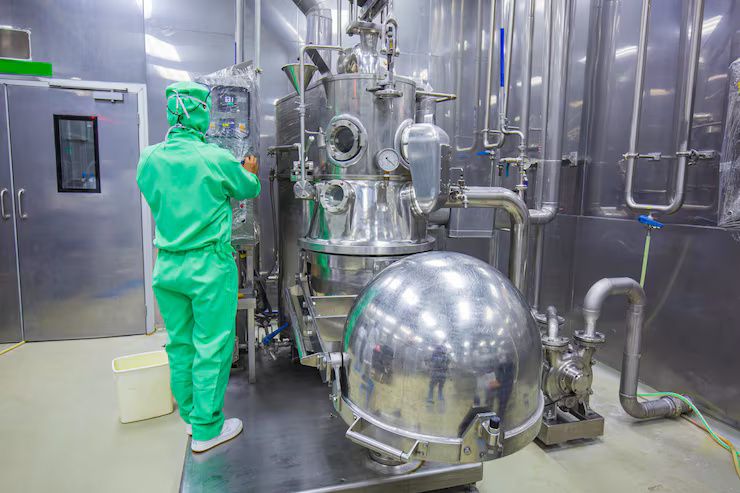
A chemical reactor is more than a vessel where ingredients are mixed. It is a carefully engineered system designed to control factors such as temperature, pressure, mixing, reaction time, and material composition. By managing these conditions, manufacturers can achieve consistent product quality while improving process efficiency and operational safety.
Understanding industrial chemical reactors provides valuable insight into how modern manufacturing facilities convert chemical inputs into products used in everyday life. This guide explains the fundamentals of chemical reactors, explores major reactor types, examines their components, and discusses the technologies shaping modern chemical processing.
What Are Industrial Chemical Reactors?
Industrial Chemical Reactors are specialized vessels or systems where chemical reactions take place under controlled operating conditions. They are designed to provide an appropriate environment for chemical transformations while allowing operators to monitor and regulate important process variables.
Depending on the application, reactors may handle:
- Liquid-phase reactions
- Gas-phase reactions
- Solid-liquid reactions
- Gas-liquid reactions
- Multiphase reactions
The design of a reactor depends heavily on the chemical process, desired output, production scale, operating conditions, and characteristics of the materials involved.
Why Chemical Reactors Are Important in Manufacturing
Chemical reactors enable manufacturers to control complex reactions at an industrial scale.
A well-designed reactor system helps manage:
- Temperature
- Pressure
- Mixing
- Reaction time
- Heat transfer
- Material concentration
- Flow rates
- Reaction conditions
Maintaining these factors within appropriate operating ranges helps support consistent results and efficient production.
Chemical Reactor Systems are therefore essential components of many industrial processes, providing the controlled environment necessary to transform raw materials into intermediate or finished products.
How Chemical Reactor Systems Work
The basic principle behind a chemical reactor is relatively simple: reactants enter a controlled environment, undergo a chemical transformation, and produce desired products.
However, industrial processes are much more complex than this basic description suggests.
Engineers must determine how quickly a reaction occurs, how much heat it produces or consumes, how materials should be mixed, and how the resulting products should be separated or processed.
Depending on the process, reactors may operate continuously or in batches.
Batch reactors are charged with materials, processed for a specific period, and emptied before the next cycle.
Continuous reactors receive reactants and remove products continuously, allowing ongoing operation under controlled conditions.
The choice depends on production requirements, reaction characteristics, product consistency, and process design.
Major Types of Industrial Reactor Systems
Different chemical processes require different reactor configurations.
Batch Reactors
Batch reactors are commonly used when production involves smaller quantities, multiple product formulations, or processes requiring flexible operating conditions.
They allow operators to control each production cycle independently, making them suitable for many specialty chemical and pharmaceutical applications.
Continuous Stirred-Tank Reactors
Continuous stirred-tank reactors, often known as CSTRs, continuously receive reactants while processed material leaves the reactor.
Agitation helps maintain uniform conditions throughout the vessel.
These reactors are useful for processes that benefit from consistent mixing and steady operating conditions.
Plug Flow Reactors
Plug flow reactors move reactants through a long tubular system. Chemical transformation occurs as materials travel through the reactor.
They are often used for continuous processes where reaction conditions change gradually along the reactor's length.
Fixed-Bed Reactors
Fixed-bed reactors contain solid catalyst materials arranged in a stationary structure. Reactants pass through the catalyst, where chemical reactions are accelerated.
These systems are widely associated with catalytic industrial processes.
Comparing Common Chemical Processing Reactors
| Reactor Type | Operating Mode | Typical Characteristics |
|---|---|---|
| Batch Reactor | Batch | Flexible production cycles |
| CSTR | Continuous | Consistent mixing throughout |
| Plug Flow Reactor | Continuous | Reaction progresses along a tube |
| Fixed-Bed Reactor | Continuous | Uses stationary catalyst material |
Each reactor type has specific advantages and limitations, so selection depends on the chemistry and process requirements.
Key Components of Chemical Reactor Equipment
Modern Chemical Reactor Equipment consists of multiple components designed to maintain controlled operating conditions.
Reactor Vessel
The vessel provides the primary environment where the chemical reaction occurs. Its construction materials are selected according to chemical compatibility, temperature, pressure, and corrosion considerations.
Agitation System
Mixing equipment helps distribute materials evenly and maintain consistent reaction conditions.
Agitators may be designed for different viscosities and flow characteristics.
Heating and Cooling Systems
Temperature control is critical because many chemical reactions are sensitive to temperature changes.
Jackets, coils, heat exchangers, or other thermal systems may be used to add or remove heat.
Sensors and Instrumentation
Modern reactors use sensors to monitor variables such as temperature, pressure, level, and flow.
These measurements provide operators with information needed to maintain controlled operation.
Control Systems
Automated control systems regulate process conditions and help maintain consistent operating parameters.
Advanced systems can also record operational data for quality management and process analysis.
Industrial Chemical Reactor Systems and Process Control
Process control is one of the most important aspects of modern reactor operation.
Chemical reactions may be highly sensitive to changes in temperature, pressure, concentration, or mixing conditions. Automated control systems continuously monitor these variables and adjust equipment accordingly.
Digital process control can support:
- Real-time monitoring
- Automated temperature adjustment
- Pressure management
- Flow regulation
- Data recording
- Alarm management
- Process consistency
This integration of mechanical equipment and digital technology is transforming traditional industrial reactor systems into more intelligent and connected manufacturing platforms.
Materials and Construction Considerations
Selecting appropriate materials is essential when designing Chemical Reactor Systems.
The reactor may be exposed to:
- Corrosive chemicals
- High temperatures
- High pressures
- Abrasive materials
- Reactive substances
Common construction materials may include stainless steel, specialized alloys, glass-lined materials, and other engineered surfaces.
Material selection depends on chemical compatibility, operating conditions, cleaning requirements, and expected service life.
Heat Transfer in Industrial Reactors
Heat management is critical in many chemical processes.
Some reactions release heat, while others require continuous heat input.
If heat is not controlled properly, reaction performance may change significantly. For this reason, industrial reactors often incorporate carefully designed heating and cooling systems.
Effective heat transfer helps maintain stable operating conditions and supports consistent product quality.
Safety Considerations in Industrial Chemical Reactors
Safety is a fundamental consideration in the design and operation of Chemical Processing Reactors.
Industrial facilities typically use multiple layers of engineering controls and operational procedures.
Important safety considerations include:
- Pressure control
- Temperature monitoring
- Emergency shutdown systems
- Relief mechanisms
- Leak detection
- Ventilation
- Equipment inspection
- Operator training
- Preventive maintenance
Safety systems are generally designed according to the specific chemicals, operating conditions, and applicable industrial standards.
Applications Across Manufacturing Industries
Industrial chemical reactor systems support a wide range of sectors.
Pharmaceuticals
Reactors are used for controlled chemical synthesis and the production of active ingredients and intermediates.
Specialty Chemicals
Specialty chemical manufacturing often relies on flexible reactor systems capable of handling different formulations and reaction conditions.
Petrochemicals
Large-scale reactor systems support processes that transform hydrocarbon-based raw materials into fuels, polymers, and chemical intermediates.
Polymers
Polymerization reactors enable the controlled formation of materials used in plastics, coatings, adhesives, and other applications.
Food and Biotechnology
Specialized reactors can support fermentation and other controlled biological processes.
Trends Shaping Industrial Reactor Systems
Technology continues to influence how chemical reactors are designed and operated.
Important developments include:
- Advanced process automation
- Internet of Things sensors
- Predictive maintenance
- Digital twins
- Real-time process analytics
- Improved energy management
- Advanced materials
- Modular reactor designs
Digital twins, for example, can create virtual representations of physical equipment to help engineers analyze performance and identify potential process improvements.
Meanwhile, predictive maintenance uses equipment data to identify potential issues before they lead to unexpected interruptions.
Challenges in Chemical Reactor Design
Designing an effective reactor requires balancing multiple technical requirements.
Engineers must consider:
- Reaction kinetics
- Heat transfer
- Mass transfer
- Mixing
- Material compatibility
- Pressure requirements
- Scale-up challenges
- Cleaning procedures
- Safety requirements
A reactor that performs well in a laboratory may behave differently when scaled to industrial production. Differences in mixing, heat transfer, and flow patterns can significantly affect performance.
For this reason, scale-up engineering is an important part of industrial reactor development.
Frequently Asked Questions
What is an industrial chemical reactor?
An industrial chemical reactor is a specialized vessel or system designed to carry out controlled chemical reactions at manufacturing scale.
What are the main types of chemical reactors?
Common types include batch reactors, continuous stirred-tank reactors, plug flow reactors, and fixed-bed reactors. Each is designed for different process conditions and applications.
Why is temperature control important in chemical reactors?
Temperature can significantly influence reaction rates, product quality, and safety. Heating and cooling systems help maintain appropriate operating conditions.
What industries use chemical reactor equipment?
Chemical reactors are widely used in pharmaceuticals, specialty chemicals, petrochemicals, polymers, biotechnology, fertilizers, and other manufacturing sectors.
How is automation changing industrial reactor systems?
Automation enables real-time monitoring, precise process control, data collection, predictive maintenance, and improved consistency across manufacturing operations.
Conclusion
Industrial Chemical Reactors are essential to modern manufacturing because they provide controlled environments where chemical transformations can occur safely and consistently. From batch reactors used for flexible production to continuous systems designed for large-scale processing, different reactor technologies support a wide range of industrial applications.
Modern Chemical Reactor Systems increasingly combine advanced materials, automated controls, sensors, and data analytics to improve process monitoring and operational efficiency. As manufacturing continues to evolve, Industrial Reactor Systems will remain a central part of chemical processing, supporting innovation across pharmaceuticals, specialty chemicals, polymers, petrochemicals, and many other industries.
Understanding the fundamentals of Chemical Processing Reactors and Chemical Reactor Equipment provides a clearer picture of how complex industrial processes are transformed into reliable, scalable manufacturing operations.