Modern computing continues to evolve at an extraordinary pace, driven by advances in semiconductor engineering and processor design.
From artificial intelligence and cloud computing to smartphones, autonomous systems, and scientific research, nearly every digital innovation depends on increasingly powerful computer chips. As demand for faster processing, lower energy consumption, and greater computing efficiency grows, the industry has entered a new era defined by next-generation chips.
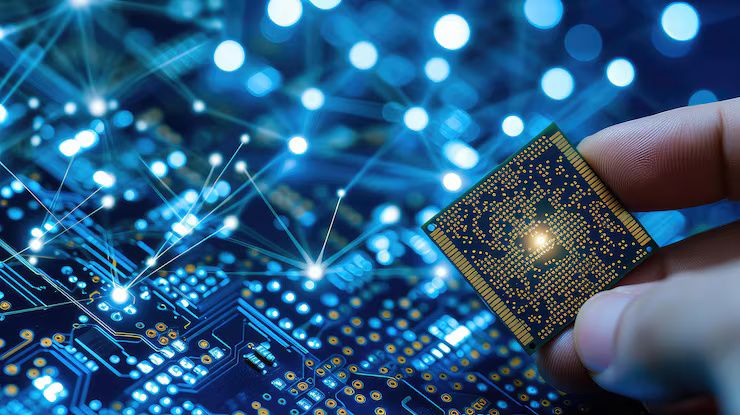
Unlike earlier generations of processors that focused primarily on increasing clock speed, today's chips are designed to handle specialized workloads, process enormous amounts of data efficiently, and support emerging technologies. Innovations in advanced semiconductor technology have enabled smaller transistors, improved architectures, and highly integrated computing platforms capable of performing complex tasks while using less power.
This guide explores what next-generation chips are, how they differ from traditional processors, their applications across industries, and the technological trends shaping the future of modern computing.
What Are Next-Generation Chips?
Next-generation chips are advanced semiconductor devices designed to deliver higher performance, improved energy efficiency, enhanced processing capabilities, and specialized computing functions compared to previous generations.
Rather than relying solely on faster processor speeds, these chips combine multiple innovations, including advanced manufacturing processes, optimized architectures, dedicated accelerators, and intelligent power management.
Today, next-generation chips power technologies such as:
- Artificial intelligence
- Machine learning
- Cloud computing
- Data centers
- Smartphones
- High-performance computing
- Autonomous vehicles
- Robotics
- Medical technology
- Internet of Things (IoT)
Their development reflects the growing need for computing systems that can process increasingly complex workloads efficiently.
Understanding Advanced Semiconductor Technology
Semiconductors form the foundation of nearly every electronic device. They control the movement of electrical signals that allow computers, smartphones, vehicles, and countless other systems to operate.
Advanced semiconductor technology refers to the continual improvement of chip manufacturing processes, materials, and circuit design to achieve greater performance while reducing size and energy consumption.
Modern semiconductor advancements focus on:
- Smaller transistor dimensions
- Higher transistor density
- Improved power efficiency
- Faster communication between components
- Better thermal management
- Enhanced manufacturing precision
These improvements allow more computing capability to fit into increasingly compact devices without significantly increasing power requirements.
How Next-Generation Chips Work
Although chip architectures vary, most modern processors perform several core functions.
First, they receive instructions from software applications or operating systems.
The processor then distributes workloads among multiple computing cores or specialized processing units designed for specific tasks such as graphics rendering, artificial intelligence, or security.
High-speed memory systems allow data to move rapidly between processor components, while intelligent scheduling algorithms optimize performance based on current workloads.
Modern chips also include advanced power management technologies that dynamically adjust performance to balance speed, efficiency, and heat generation.
This integrated approach enables today's processors to deliver significantly higher computing capability than earlier generations while maintaining greater energy efficiency.
Key Features of Next-Generation Chips
Several characteristics distinguish modern semiconductor designs from older processor technologies.
Multi-Core Processing
Instead of relying on a single powerful core, modern processors include multiple computing cores that perform tasks simultaneously.
This parallel processing improves performance across demanding applications.
Dedicated AI Processing
Many modern processors now include specialized AI chips or neural processing units (NPUs) designed specifically for artificial intelligence workloads.
These dedicated components accelerate machine learning tasks without placing excessive demand on the main processor.
Energy Efficiency
Reducing power consumption has become a major design objective.
Improved semiconductor manufacturing enables processors to perform more calculations while consuming less electricity, benefiting both mobile devices and large-scale computing systems.
Enhanced Security Features
Modern processors often integrate hardware-based security mechanisms that help protect sensitive information and support secure computing environments.
Faster Memory Integration
Improved communication between processors and memory reduces delays, allowing applications to respond more quickly during complex operations.
AI Chips: Driving Intelligent Computing
Artificial intelligence has become one of the primary forces behind semiconductor innovation.
AI chips are specialized processors optimized for machine learning, neural networks, computer vision, natural language processing, and other AI applications.
Unlike traditional processors that handle a wide variety of tasks, AI chips focus on performing massive numbers of mathematical calculations simultaneously.
Common applications include:
- Voice assistants
- Image recognition
- Language translation
- Recommendation systems
- Autonomous navigation
- Healthcare diagnostics
- Industrial automation
- Scientific research
By accelerating AI workloads, these processors improve both speed and energy efficiency for intelligent computing systems.
Applications Across Modern Industries
Next-generation chips support innovation across numerous sectors.
| Industry | Role of Next-Generation Chips |
|---|---|
| Artificial Intelligence | Accelerate machine learning and data analysis |
| Healthcare | Support medical imaging and diagnostic systems |
| Automotive | Enable advanced driver assistance and autonomous technologies |
| Cloud Computing | Improve server performance and resource management |
| Consumer Electronics | Power smartphones, tablets, and wearable devices |
| Manufacturing | Support robotics, automation, and predictive maintenance |
| Scientific Research | Process large datasets and complex simulations |
As computing demands continue to increase, advanced semiconductor technology plays an increasingly important role across these industries.
The Importance of AI Chips in Everyday Technology
Many people interact with AI chips without realizing it.
For example, smartphones use AI processors to improve photography, speech recognition, translation, and battery optimization.
Video conferencing platforms use AI acceleration for background enhancement and noise reduction.
Streaming services rely on AI-powered recommendation systems, while smart home devices process voice commands using specialized computing hardware.
These practical applications demonstrate how AI chips have become an essential part of everyday digital experiences.
Challenges in Semiconductor Development
Despite significant technological progress, semiconductor engineering faces several ongoing challenges.
Increasing Design Complexity
As processors become more powerful, designing billions of interconnected transistors requires increasingly sophisticated engineering tools and verification processes.
Heat Management
Higher processing performance generates more heat.
Engineers continuously develop improved cooling strategies and energy-efficient architectures to maintain reliable operation.
Manufacturing Precision
Producing advanced semiconductor devices demands extraordinary manufacturing accuracy at microscopic scales.
Even small variations can affect chip performance and reliability.
Growing Computing Demands
Artificial intelligence, cloud services, and scientific applications require ever-greater processing capabilities, encouraging continuous innovation in chip architecture.
Future Trends in Next-Generation Chips
The semiconductor industry continues to explore new approaches to improve computing performance.
Several trends are expected to shape future development.
Specialized Computing Architectures
Instead of designing processors for general-purpose tasks alone, future chips will increasingly include dedicated processing units optimized for specific applications.
Chiplet Design
Manufacturers are exploring modular chip designs that combine multiple specialized components into a single computing package.
This approach offers greater flexibility and scalability.
Three-Dimensional Chip Packaging
Stacking semiconductor components vertically can improve communication speeds while reducing overall package size.
More Efficient AI Acceleration
Future AI chips are expected to perform increasingly complex machine learning tasks with improved energy efficiency.
Sustainable Semiconductor Engineering
Reducing manufacturing energy requirements and improving processor efficiency are becoming important goals for long-term sustainability.
How Next-Generation Chips Support Emerging Technologies
Advanced processors enable many technologies that are transforming industries.
These include:
- Edge computing
- Smart cities
- Autonomous systems
- Advanced robotics
- Precision agriculture
- Digital healthcare
- Virtual reality
- Augmented reality
- Industrial automation
- High-performance scientific computing
As these technologies continue to mature, next-generation chips will remain central to their development.
Choosing Computing Hardware Based on Workloads
Different applications benefit from different processor designs.
General-purpose processors perform well across a wide variety of everyday tasks.
Graphics processors excel at rendering images and performing parallel calculations.
AI chips specialize in machine learning operations, while dedicated accelerators support encryption, networking, or scientific simulations.
Understanding workload requirements helps organizations and developers select computing platforms that best match their intended applications.
Frequently Asked Questions
What are next-generation chips?
Next-generation chips are advanced semiconductor processors designed to provide higher computing performance, improved energy efficiency, and specialized capabilities for modern applications such as artificial intelligence, cloud computing, and high-performance computing.
What is advanced semiconductor technology?
Advanced semiconductor technology refers to modern manufacturing processes, chip architectures, and materials that improve processor performance, efficiency, reliability, and integration.
What are AI chips used for?
AI chips accelerate machine learning, neural networks, image recognition, speech processing, natural language understanding, robotics, and other artificial intelligence applications.
Why are modern chips becoming more specialized?
Different computing tasks require different processing methods. Specialized chips improve efficiency by optimizing hardware for specific workloads instead of relying entirely on general-purpose processors.
How do next-generation chips influence everyday devices?
They enhance smartphone performance, improve cloud services, support smart home devices, enable advanced automotive technologies, strengthen cybersecurity features, and accelerate artificial intelligence across numerous consumer and industrial applications.
Conclusion
Next-generation chips represent a major advancement in modern computing, combining advanced semiconductor technology with innovative processor architectures to meet the growing demands of artificial intelligence, cloud computing, scientific research, and connected devices. Rather than simply increasing processing speed, today's semiconductor designs emphasize efficiency, specialization, and intelligent workload management.
As AI chips become increasingly integrated into everyday technology and advanced semiconductor technology continues to evolve, these processors will play an even greater role in shaping the future of digital innovation. Understanding how next-generation chips work provides valuable insight into the technologies powering modern computing and the intelligent systems that will define the next generation of connected experiences.