Linear accelerator machines are advanced medical devices used in radiation therapy to generate high-energy radiation beams for cancer treatment applications. These systems, commonly known as medical linear accelerators, use complex engineering, computer control systems, and imaging technologies to deliver carefully planned radiation treatments in healthcare environments.
Radiation therapy technologies have developed significantly over the years, allowing healthcare professionals to use more precise methods for targeting cancerous tissues while considering surrounding healthy structures. Modern cancer treatment systems combine physics, software, imaging, and automation to support radiation oncology procedures.
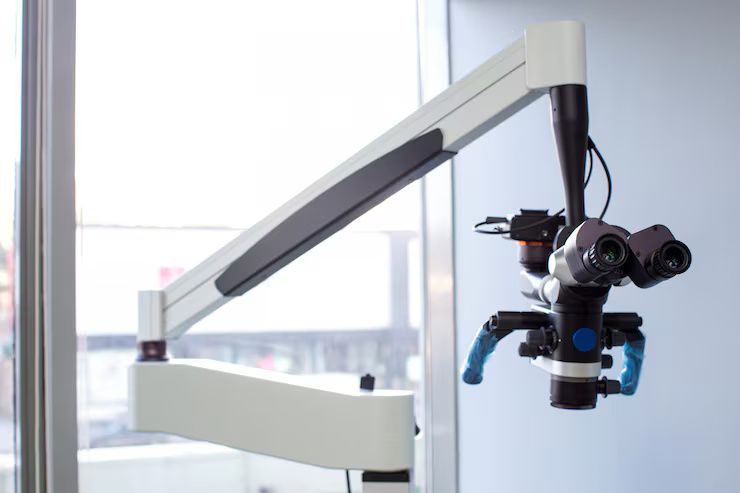
Linear accelerators are an important part of radiation oncology equipment used in hospitals and specialized healthcare facilities. They represent a major area of healthcare radiation technology, supporting external beam radiation therapy and other advanced radiotherapy approaches.
Context
Understanding Linear Accelerator Machines
A linear accelerator machine is a medical device that produces high-energy X-rays or electron beams used in radiation therapy. The machine accelerates charged particles through a specialized structure and converts their energy into radiation used for clinical applications.
Medical linear accelerators are designed to deliver controlled radiation doses according to treatment plans developed by radiation oncology teams.
The main components of a linear accelerator system include:
| Component | Function |
|---|---|
| Electron gun | Produces electrons for acceleration |
| Accelerator structure | Increases particle energy |
| Bending magnet | Directs particle movement |
| Treatment head | Shapes and delivers radiation beams |
| Imaging system | Provides positioning information |
| Control system | Manages machine operation |
How Medical Linear Accelerators Work
Linear accelerator machines operate through a combination of electrical, mechanical, and computer-controlled processes.
A simplified process includes:
- Electrons are generated inside the machine
- Electromagnetic fields accelerate the particles
- The particles create high-energy radiation beams
- Beam-shaping systems adjust radiation delivery
- Imaging technologies assist with accurate positioning
- Healthcare professionals monitor treatment procedures
Radiation oncology teams create treatment plans based on medical imaging and individual patient information.
Types of Radiation Therapy Systems
Different radiation therapy systems are designed for specific clinical approaches.
| Technology | Application |
| External beam radiation therapy systems | Deliver radiation from outside the body |
| Image-guided radiation therapy systems | Use imaging for treatment positioning |
| Intensity modulated radiation therapy systems | Adjust radiation intensity across treatment areas |
| Stereotactic radiation systems | Deliver focused radiation approaches |
| Electron beam therapy systems | Use electron radiation for selected applications |
Development of Radiation Oncology Equipment
Radiation oncology equipment has evolved through improvements in medical physics, computer technology, and imaging systems.
Earlier radiation systems provided limited control over radiation delivery. Modern systems include:
- Advanced imaging integration
- Computer-assisted treatment planning
- Automated positioning systems
- Improved beam control
- Digital monitoring features
These developments have contributed to more sophisticated radiation treatment approaches.
Importance
Role of Linear Accelerator Machines in Cancer Care
Linear accelerator machines play an important role in modern cancer care technology. They are used in radiation therapy programs where high-energy radiation is applied as part of a broader treatment approach.
Cancer treatment systems using linear accelerators may be used for different cancer types depending on clinical evaluation and treatment planning.
Applications may include:
- Tumor-focused radiation therapy
- Combination treatment approaches
- Supportive cancer care planning
- Clinical research applications
Importance of External Beam Radiation Therapy
External beam radiation therapy is one of the common applications of medical linear accelerators.
This approach involves delivering radiation from equipment positioned outside the body. Treatment planning considers factors such as:
- Target location
- Radiation dose planning
- Patient positioning
- Surrounding tissue considerations
Healthcare professionals use specialized planning methods to design appropriate treatment approaches.
Role of Advanced Radiation Therapy Systems
Advanced radiation therapy systems combine imaging, software, and machine control technologies.
These systems may support:
- Improved treatment planning
- Patient positioning accuracy
- Radiation delivery monitoring
- Digital treatment records
The goal of these technologies is to provide healthcare teams with detailed information during radiation therapy procedures.
Image-Guided Radiation Therapy Applications
Image-guided radiation therapy uses imaging technologies to support treatment positioning and monitoring.
These systems may use:
- X-ray imaging
- Computed tomography guidance
- Digital imaging systems
Imaging helps healthcare teams evaluate positioning before and during selected treatment procedures.
Importance of Radiation Oncology Equipment
Radiation oncology equipment includes various technologies used in cancer treatment environments.
Equipment categories may include:
- Linear accelerators
- Treatment planning software
- Imaging systems
- Patient positioning devices
- Radiation monitoring tools
Together, these technologies support modern radiation therapy workflows.
Recent Updates
Integration of Artificial Intelligence in Radiation Therapy
Between 2024 and 2026, artificial intelligence continued developing within radiation therapy research and healthcare technology.
AI applications are being explored for:
- Treatment planning assistance
- Image analysis
- Workflow management
- Data evaluation
AI tools are designed to support healthcare professionals and improve digital processing capabilities.
Improvements in Image-Guided Radiation Therapy
Image-guided radiation therapy continues advancing through improved imaging systems and software integration.
Recent developments focus on:
- Better image processing
- Faster image analysis
- Improved treatment positioning
- Digital workflow integration
Growth of Adaptive Radiation Therapy
Adaptive radiation therapy uses updated patient information to modify treatment planning when appropriate.
This approach may involve:
- New imaging information
- Updated treatment calculations
- Software-based planning adjustments
Research continues exploring how adaptive approaches can support personalized radiation treatment.
Development of Compact Radiation Systems
Researchers continue exploring smaller and more flexible radiation therapy systems.
Development areas include:
- Compact machine designs
- Improved accessibility
- New treatment environments
- Advanced engineering approaches
Digital Transformation in Cancer Treatment Systems
Digital healthcare technology continues influencing radiation oncology.
Digital systems may support:
- Treatment data management
- Remote collaboration
- Workflow organization
- Medical record integration
Laws or Policies
Medical Device Regulations
Linear accelerator machines are regulated medical devices that must meet safety and performance requirements established by healthcare authorities.
Regulatory areas may include:
- Equipment testing
- Radiation safety standards
- Manufacturing requirements
- Clinical performance information
Radiation Safety Guidelines
Radiation therapy facilities follow safety procedures designed to protect patients, healthcare professionals, and surrounding environments.
Safety practices may include:
- Radiation monitoring
- Equipment calibration
- Controlled treatment areas
- Staff training
Healthcare Facility Standards
Facilities operating radiation therapy equipment generally follow requirements related to:
- Equipment maintenance
- Quality assurance programs
- Professional training
- Safety procedures
Patient Data Protection
Modern radiation therapy systems generate and store medical information.
Healthcare organizations must protect:
- Treatment records
- Medical images
- Patient information
- Digital healthcare data
Tools and Resources
Radiation Treatment Planning Software
Treatment planning software helps radiation oncology teams design and evaluate radiation treatment approaches.
These systems may support:
- Dose calculations
- Treatment visualization
- Planning comparisons
- Digital records
Medical Imaging Systems
Medical imaging systems provide information used during radiation treatment planning.
They may include:
- CT imaging
- MRI integration
- Digital imaging tools
Radiation Monitoring Equipment
Radiation monitoring tools help healthcare facilities measure and manage radiation safety conditions.
Applications include:
- Safety checks
- Equipment monitoring
- Environmental assessment
Oncology Research Resources
People interested in radiation therapy technologies can explore information from:
- Medical research organizations
- Radiation oncology associations
- Government health agencies
- Academic institutions
Healthcare Technology Platforms
Digital healthcare platforms help manage information related to cancer treatment systems.
They may support:
- Data organization
- Clinical communication
- Research activities
FAQs
What are linear accelerator machines used for?
Linear accelerator machines are medical devices used to generate high-energy radiation beams for radiation therapy applications, including cancer treatment procedures.
How do medical linear accelerators work?
Medical linear accelerators accelerate charged particles to create high-energy radiation beams that are shaped and delivered according to treatment plans.
What is external beam radiation therapy?
External beam radiation therapy is a treatment approach where radiation is delivered from equipment outside the body toward a targeted area.
What are advanced radiation therapy systems?
Advanced radiation therapy systems combine imaging, software, and machine technologies to support more controlled radiation treatment planning and delivery.
How is artificial intelligence used in radiation therapy?
Artificial intelligence may support radiation therapy through image analysis, treatment planning assistance, and healthcare workflow improvements.
Conclusion
Linear accelerator machines are important technologies in modern radiation therapy and cancer care systems. These devices combine medical physics, imaging technologies, software, and engineering to support external beam radiation therapy and advanced treatment approaches. Developments in artificial intelligence, adaptive planning, and digital healthcare technology continue shaping the future of radiation oncology equipment. Understanding linear accelerator technology helps explain its role in modern healthcare applications.