
Lithium battery production is the industrial process of manufacturing rechargeable batteries that store and deliver electrical energy efficiently. These batteries have become a critical component of modern technology because they power electric vehicles, consumer electronics, renewable energy storage systems, medical equipment, and industrial devices.
The growing demand for clean energy solutions and portable electronics has accelerated the expansion of lithium battery manufacturing worldwide. Advances in battery chemistry, automation, and sustainability practices continue to improve battery performance, safety, and production efficiency.
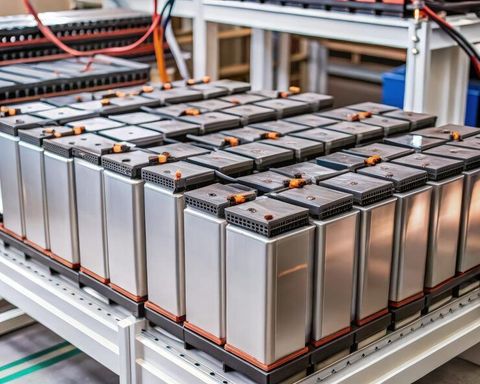
Understanding Lithium Battery Production
Lithium battery production involves transforming raw materials into finished battery cells that can store and release electrical energy. The process requires precision engineering, strict quality control, and advanced manufacturing technologies.
A lithium-ion battery typically consists of four main elements:
Key Components
- Cathode material
- Anode material
- Electrolyte solution
- Separator membrane
These components work together to allow lithium ions to move between electrodes during charging and discharging cycles.
Main Stages of Lithium Battery Production
The manufacturing process follows several carefully controlled steps to ensure quality and reliability.
| Production Stage | Purpose | Key Activities |
|---|---|---|
| Raw Material Processing | Prepare battery materials | Refining lithium, nickel, cobalt, graphite |
| Electrode Manufacturing | Create battery electrodes | Mixing, coating, drying |
| Cell Assembly | Build battery cells | Stacking, winding, separator installation |
| Electrolyte Filling | Enable ion transfer | Electrolyte injection |
| Formation and Testing | Activate battery chemistry | Charging cycles, quality inspections |
| Module and Pack Assembly | Create usable battery systems | Integration, management systems |
Raw Material Preparation
Battery production begins with processing critical minerals and materials. Lithium is typically combined with other elements such as nickel, manganese, cobalt, iron, or phosphate depending on the battery chemistry.
Common Raw Materials
- Lithium compounds
- Nickel
- Cobalt
- Manganese
- Graphite
- Copper foil
- Aluminum foil
- Electrolyte chemicals
The purity of these materials directly influences battery performance, lifespan, and safety.
Electrode Manufacturing
Electrodes are among the most important components of a lithium battery.
Manufacturers create a slurry by mixing active materials with binders and conductive additives. This mixture is coated onto metal foils and dried under controlled conditions.
Important Production Activities
- Material mixing
- Slurry preparation
- Electrode coating
- Drying processes
- Compression and calendaring
- Precision cutting
Advanced automation systems help maintain consistency across large production volumes.
Cell Assembly Process
After electrode preparation, the battery cell is assembled.
Depending on the design, manufacturers may produce cylindrical, prismatic, or pouch cells. The electrodes and separators are stacked or wound together before being enclosed within a protective casing.
Common Battery Cell Types
- Cylindrical cells
- Prismatic cells
- Pouch cells
Each format offers advantages for specific applications such as electric vehicles, portable electronics, or stationary energy storage systems.
Electrolyte Filling and Sealing
The electrolyte enables lithium ions to move between the cathode and anode.
Manufacturers inject electrolyte under carefully controlled conditions to avoid contamination. The cells are then sealed to prevent moisture and air exposure.
Quality Requirements
- Controlled humidity environments
- Precise electrolyte quantities
- Leak prevention measures
- Contamination control systems
Even minor contamination can affect battery performance and safety.
Formation, Aging, and Quality Testing
Formation is a critical stage in battery production.
During formation, newly assembled cells undergo controlled charging and discharging cycles. This process creates the protective solid electrolyte interface layer that helps improve battery stability.
Common Testing Procedures
- Capacity testing
- Voltage verification
- Internal resistance measurement
- Thermal performance evaluation
- Safety inspections
- Cycle life analysis
Cells that do not meet performance standards are removed from the production line.
Battery Pack Assembly
Individual cells are grouped into modules and battery packs.
Battery management systems monitor performance, temperature, charging behavior, and safety conditions throughout the battery's operational life.
Major Pack Components
- Battery cells
- Battery management system (BMS)
- Cooling systems
- Protective housing
- Electrical connectors
- Monitoring sensors
These systems help improve efficiency, reliability, and operational safety.
Importance of Lithium Battery Production
Lithium battery manufacturing supports numerous industries and technologies that depend on reliable energy storage.
The ability to store energy efficiently has become increasingly important as nations pursue electrification and renewable energy goals.
Major Benefits
- Supports electric mobility
- Enables renewable energy storage
- Powers consumer electronics
- Improves energy efficiency
- Reduces dependence on fossil fuels
- Supports industrial automation
As battery technology advances, production capabilities continue to expand globally.
Real-World Applications
Lithium batteries are used across a wide range of sectors.
Common Applications
- Electric vehicles
- Grid-scale energy storage systems
- Smartphones
- Laptops
- Medical devices
- Industrial robotics
- Aerospace equipment
- Telecommunications infrastructure
Their high energy density and rechargeable nature make them suitable for both portable and large-scale applications.
Challenges in Lithium Battery Production
Despite significant growth, battery manufacturing faces several challenges.
Industry Challenges
- Raw material supply constraints
- Environmental concerns
- Energy-intensive production processes
- Recycling infrastructure development
- Supply chain complexity
- Safety management requirements
Manufacturers continue investing in research and innovation to address these issues while improving sustainability.
Recent Trends and Developments (2025–2026)
The lithium battery industry has experienced significant developments over the past year.
Key Industry Developments
- Increased adoption of lithium iron phosphate (LFP) batteries for electric vehicles and energy storage.
- Expansion of gigafactory projects across North America, Europe, and Asia.
- Greater investment in battery recycling technologies to recover lithium, nickel, and other valuable materials.
- Improved manufacturing automation using artificial intelligence and machine vision systems.
- Research progress in solid-state battery technologies aimed at enhancing energy density and safety.
- Continued efforts to localize battery supply chains and strengthen critical mineral processing capabilities.
Emerging Technology Areas
- Solid-state batteries
- Sodium-ion battery alternatives
- Silicon-based anodes
- Advanced battery analytics
- Digital manufacturing systems
- Battery passport tracking technologies
These innovations are expected to influence future production methods and battery performance standards.
Regulations and Policy Frameworks
Lithium battery production is subject to various environmental, safety, and transportation regulations.
Governments and international organizations continue developing standards that address sustainability and responsible manufacturing.
Important Regulatory Areas
- Battery safety certification
- Hazardous material handling
- Transportation compliance
- Environmental protection standards
- Recycling and waste management requirements
- Supply chain traceability
Several regions have introduced policies encouraging battery recycling, circular economy practices, and responsible sourcing of raw materials.
Useful Tools and Learning Resources
Professionals and students interested in battery technology can benefit from specialized tools and educational resources.
Industry Tools
- Battery management software
- Manufacturing execution systems
- Quality inspection platforms
- Simulation and modeling software
- Laboratory testing equipment
- Supply chain monitoring systems
Learning Resources
- University energy storage programs
- Battery technology research journals
- Industrial training courses
- Engineering associations
- Technical standards publications
- Renewable energy education platforms
These resources help individuals stay informed about evolving technologies and manufacturing practices.
FAQ
What is lithium battery production?
Lithium battery production is the process of manufacturing rechargeable batteries using lithium-based materials, electrodes, electrolytes, and advanced assembly techniques to create energy storage systems.
Why are lithium batteries widely used?
Lithium batteries provide high energy density, long cycle life, lightweight construction, and efficient charging performance, making them suitable for numerous applications.
What industries depend on lithium battery manufacturing?
Electric vehicles, renewable energy storage, consumer electronics, medical technology, telecommunications, aerospace, and industrial automation all rely on lithium battery production.
What is the role of a battery management system?
A battery management system monitors voltage, temperature, charging, and discharging conditions to improve performance, efficiency, and safety.
What is the future of lithium battery production?
Future developments are expected to focus on advanced battery chemistries, improved recycling methods, higher manufacturing efficiency, stronger supply chains, and enhanced sustainability practices.
Conclusion
Lithium battery production has become a foundational part of the modern energy ecosystem. From electric vehicles and renewable energy storage systems to consumer electronics and industrial technologies, lithium batteries support many of the devices and infrastructure used every day. The manufacturing process involves sophisticated material preparation, precision engineering, quality testing, and advanced automation to ensure reliable performance.
As global demand for energy storage continues to grow, the industry is investing in new technologies such as solid-state batteries, recycling solutions, artificial intelligence-driven manufacturing, and sustainable supply chain practices. These developments are helping improve efficiency, safety, and environmental responsibility while supporting the transition toward a more electrified and energy-efficient future.