
Oil plays a critical role in the operation of industrial machinery, hydraulic equipment, transformers, turbines, compressors, and manufacturing systems.
Over time, however, oil can become contaminated with dust, metal particles, moisture, sludge, oxidation by-products, and other impurities. These contaminants may reduce lubrication performance, affect equipment reliability, and shorten the service life of valuable machinery.
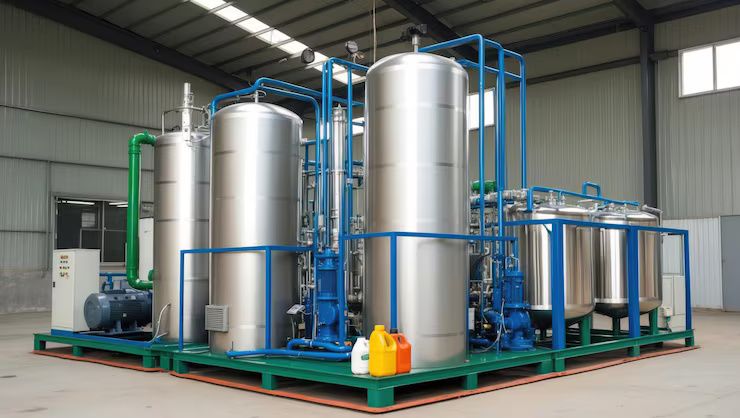
Oil filtering machines are designed to remove unwanted contaminants from oil, helping maintain its cleanliness and support efficient equipment operation. Modern industrial oil filtration systems combine advanced filtration technologies, precision engineering, and automated monitoring to improve oil quality while reducing unnecessary waste and maintenance interruptions.
This guide explains how oil filtering machines work, the major filtration methods they use, their key components, common industrial applications, and the workflow involved in modern oil purification systems.
What Are Oil Filtering Machines?
Oil filtering machines are industrial systems designed to clean contaminated oils by removing solid particles, moisture, gases, and other impurities. They are used across many industries to improve oil condition before the oil is returned to equipment or stored for future use.
Depending on the application, an oil filtration system may process:
- Hydraulic oil
- Lubricating oil
- Gear oil
- Turbine oil
- Compressor oil
- Transformer insulating oil
- Industrial process oils
Rather than replacing oil immediately, filtration helps restore oil quality when appropriate maintenance practices determine that cleaning is suitable.
Why Industrial Oil Filtration Is Important
Clean oil contributes to the efficient operation of many industrial systems.
Contaminants circulating through equipment may increase friction, reduce lubrication efficiency, block narrow passages, or accelerate component wear. By removing these contaminants, industrial oil filtration supports smoother equipment performance and contributes to more reliable operation.
Some key objectives of oil filtration include:
- Removing solid contaminants
- Reducing moisture content
- Improving oil cleanliness
- Supporting equipment reliability
- Protecting sensitive components
- Maintaining lubrication performance
- Supporting preventive maintenance
Oil filtration forms an important part of many industrial maintenance programs.
Common Sources of Oil Contamination
Understanding contamination helps explain the importance of filtration.
Oil may become contaminated through:
- Airborne dust
- Metal wear particles
- Water ingress
- Oxidation products
- Carbon deposits
- Dirt during maintenance
- Seal degradation
- Environmental exposure
- Manufacturing residues
The type and level of contamination vary depending on operating conditions and equipment design.
How an Oil Filtration System Works
Although designs differ across industries, most oil filtration systems follow a similar operating process.
First, contaminated oil is drawn from equipment or a storage reservoir into the filtration machine.
The oil then passes through one or more filtration stages designed to remove different types of contaminants. Some systems also include dehydration or vacuum processing to remove moisture and dissolved gases.
After filtration, the cleaned oil is either returned directly to the equipment or transferred into clean storage for future use.
Many modern oil purification machines continuously monitor operating conditions throughout this process to maintain consistent filtration performance.
Main Components of Oil Filtering Machines
Several integrated components allow oil filtering machines to operate efficiently.
Oil Pump
The pump circulates oil through the filtration system at a controlled flow rate suitable for the selected filtration process.
Filtration Elements
Filters capture contaminants of varying particle sizes.
Multiple filter stages are often used to progressively remove larger and smaller particles.
Moisture Removal Section
Some oil purification machines include specialized systems that reduce water content, helping improve oil quality for moisture-sensitive applications.
Vacuum Chamber
Certain industrial oil filtration systems use vacuum technology to remove dissolved gases and moisture from oil.
This process is especially common in transformer oil filtration.
Control Panel
Modern equipment includes electronic controls that allow operators to monitor pressure, temperature, flow rate, and filtration status throughout the process.
Common Filtration Methods
Different applications require different filtration techniques depending on the oil type and contamination level.
Mechanical Filtration
Mechanical filters remove solid particles using filter media with carefully controlled pore sizes.
This is one of the most common filtration methods across industrial applications.
Depth Filtration
Depth filters capture contaminants throughout the thickness of the filter material, allowing efficient removal of particles across a range of sizes.
Vacuum Dehydration
Vacuum dehydration removes moisture and dissolved gases from oil by lowering pressure inside the processing chamber.
This method is widely used in transformer oil filtration and other moisture-sensitive systems.
Coalescing Filtration
Coalescing filters combine tiny water droplets into larger droplets that can be separated more easily from the oil.
Fine Particle Filtration
High-efficiency filters remove extremely small particles that may affect precision hydraulic and lubrication systems.
Many industrial oil filtration machines combine several of these methods within a single processing cycle.
Comparing Oil Filtration Methods
| Filtration Method | Primary Purpose | Common Applications |
|---|---|---|
| Mechanical Filtration | Remove solid particles | Hydraulic and lubricating oils |
| Depth Filtration | Capture contaminants throughout filter media | Industrial machinery |
| Vacuum Dehydration | Remove moisture and gases | Transformer oil filtration |
| Coalescing Filtration | Separate water from oil | Industrial lubrication systems |
| Fine Particle Filtration | Improve oil cleanliness | Precision equipment |
Selecting an appropriate filtration method depends on oil type, contamination level, and equipment requirements.
Understanding Oil Purification Machines
An oil purification machine often combines several treatment processes into one integrated system.
Depending on the design, these machines may perform:
- Particle removal
- Water separation
- Gas removal
- Oil circulation
- Pressure monitoring
- Temperature monitoring
- Continuous filtration
- Oil transfer
The goal is to improve oil condition while maintaining stable operating performance throughout the purification cycle.
Transformer Oil Filtration
Transformer oil filtration is a specialized application because insulating oil performs both electrical insulation and cooling functions.
Over time, transformer oil may absorb moisture and accumulate contaminants that reduce its insulating properties.
Transformer oil filtration systems commonly include:
- Fine filtration stages
- Vacuum dehydration
- Degassing processes
- Temperature control
- Continuous monitoring
Maintaining clean insulating oil helps support the reliable operation of electrical equipment while preserving oil quality during maintenance activities.
Industrial Applications of Oil Filtering Machines
Oil filtering machines are used across numerous industries.
Common applications include:
- Manufacturing plants
- Power generation facilities
- Steel processing
- Mining operations
- Marine equipment
- Construction machinery
- Hydraulic systems
- Industrial gearboxes
- Compressors
- Electrical transformer maintenance
Each application may require different filtration configurations depending on the operating environment and oil characteristics.
Benefits of Industrial Oil Filtration
Proper oil filtration contributes to several operational advantages.
These include:
- Cleaner lubricating oil
- Reduced contamination levels
- Improved equipment reliability
- Better lubrication performance
- Support for preventive maintenance
- Reduced equipment wear
- Longer oil service intervals where appropriate
- Improved operational efficiency
The exact benefits depend on equipment condition, maintenance practices, and operating environments.
Maintenance of Oil Filtration Systems
Like other industrial equipment, oil filtration systems require regular maintenance.
Typical maintenance activities include:
- Replacing filter elements
- Inspecting pumps
- Checking seals
- Monitoring pressure readings
- Cleaning system components
- Inspecting electrical controls
- Verifying flow performance
- Examining hoses and connections
Routine maintenance helps maintain filtration efficiency and supports reliable long-term operation.
Emerging Technologies in Oil Purification
Modern oil purification machines continue to evolve through advances in digital monitoring and industrial automation.
Emerging technologies include:
- Smart sensor integration
- Automated contamination monitoring
- Predictive maintenance systems
- Remote equipment diagnostics
- Digital control platforms
- Internet of Things (IoT) connectivity
- Real-time oil condition monitoring
- Automated reporting systems
These technologies provide operators with better visibility into oil condition and equipment performance while supporting more informed maintenance decisions.
Challenges in Oil Filtration
Although filtration technology continues to improve, several operational challenges remain.
These include:
Managing Different Contaminants
Oil may contain solid particles, water, gases, and oxidation products simultaneously, requiring multiple treatment methods.
Filter Selection
Different oils require different filtration media and processing methods.
Selecting suitable filtration components helps maintain system efficiency.
Equipment Compatibility
Industrial oil filtration systems must operate safely with a wide variety of equipment and oil types.
Maintenance Scheduling
Timely filter replacement and equipment inspections help maintain consistent filtration performance.
Frequently Asked Questions
What are oil filtering machines used for?
Oil filtering machines remove contaminants such as dirt, moisture, metal particles, and gases from industrial oils to improve cleanliness and support reliable equipment operation.
What is an industrial oil filtration system?
An industrial oil filtration system is a machine or integrated process that cleans oil through various filtration and purification methods before returning it to service or storage.
How does an oil purification machine differ from a basic filter?
An oil purification machine often combines multiple treatment processes, including particle filtration, moisture removal, degassing, and continuous monitoring, while a basic filter may only remove solid contaminants.
Why is transformer oil filtration important?
Transformer oil filtration helps remove moisture, dissolved gases, and fine particles that may affect the insulating and cooling performance of transformer oil.
What industries commonly use oil filtration systems?
Oil filtration systems are widely used in manufacturing, power generation, mining, marine operations, construction, hydraulic systems, and electrical maintenance where clean oil is essential for reliable equipment performance.
Conclusion
Oil filtering machines play an essential role in maintaining the cleanliness and performance of industrial lubricants, hydraulic fluids, and insulating oils. Through advanced industrial oil filtration methods, integrated oil purification machines, and specialized transformer oil filtration processes, modern systems help remove contaminants that can affect equipment reliability and operational efficiency.
Understanding the components, filtration methods, and workflow of an oil filtration system provides valuable insight into modern maintenance practices. As automation, smart monitoring, and predictive maintenance technologies continue to advance, oil filtering machines are becoming increasingly efficient, helping industries maintain cleaner oils, improve equipment reliability, and support long-term operational performance.