Plywood is one of the most widely used engineered wood products in the world. Known for its strength, versatility, and durability, plywood plays an important role in construction, furniture production, interior design, transportation, and numerous industrial applications.
Unlike solid wood, plywood is manufactured by bonding multiple layers of wood veneer together under controlled conditions. This process creates a stable and durable material that can withstand demanding environments while maintaining structural integrity.
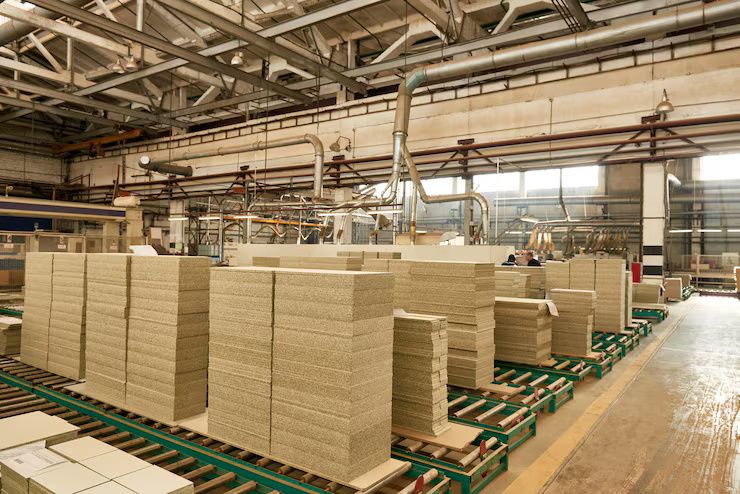
As engineered wood technologies continue to advance, modern plywood manufacturing has become more efficient, sustainable, and capable of producing high-performance products for a wide range of industries.
This guide explores how plywood is manufactured, the technologies involved, and the industrial applications that make it an essential material in modern production.
What Is Plywood?
Plywood is an engineered wood panel made by bonding thin layers of wood veneer together. Each layer is positioned with its grain running perpendicular to the adjacent layer, creating a stronger and more stable structure.
This cross-grain construction helps reduce common issues associated with solid wood, such as warping, shrinking, and cracking.
Plywood is valued for several important characteristics:
- High strength-to-weight ratio
- Dimensional stability
- Versatile applications
- Efficient material utilization
These advantages have made plywood a preferred material across multiple industries.
Why Engineered Wood Products Are Important
Engineered wood products have transformed modern construction and manufacturing. By combining natural wood resources with advanced production technologies, manufacturers can create materials with enhanced performance characteristics.
Plywood offers several practical benefits compared to traditional lumber.
For example, large plywood panels can cover broad surfaces efficiently while maintaining consistent strength and appearance. This makes them suitable for applications ranging from building construction to furniture manufacturing.
As demand for sustainable building materials grows, engineered wood products continue to gain popularity worldwide.
Raw Materials Used in Plywood Manufacturing
The quality of plywood begins with the selection of suitable raw materials.
Different wood species may be used depending on the intended application and performance requirements.
Wood Veneers
Wood veneers form the primary component of plywood.
These thin sheets are produced from logs that have been carefully selected for quality, strength, and consistency.
The characteristics of the veneer directly influence the performance of the finished panel.
Adhesive Systems
Specialized adhesives are used to bond veneer layers together.
The choice of adhesive depends on factors such as moisture resistance, durability requirements, and intended usage conditions.
Strong bonding is essential for maintaining structural integrity throughout the product's lifespan.
Surface Materials
Some plywood products include decorative or protective surface layers that improve appearance and performance.
These surfaces may enhance durability, aesthetics, or resistance to environmental conditions.
The Plywood Manufacturing Process
Plywood production involves multiple stages, each designed to ensure consistent quality and performance.
Log Preparation
The process begins with the selection and preparation of logs.
Logs are inspected, cleaned, and conditioned before veneer production begins. Proper preparation helps improve veneer quality and production efficiency.
Veneer Peeling
After preparation, logs are processed into thin veneer sheets using specialized equipment.
The peeling process creates continuous layers of wood that can later be cut into specific dimensions.
This stage plays a critical role in determining the overall quality of the finished plywood.
Veneer Drying
Freshly produced veneers contain moisture that must be reduced before assembly.
Drying systems carefully control temperature and airflow to achieve the desired moisture content.
Proper drying improves bonding performance and enhances panel stability.
Grading and Sorting
Once dried, veneers are inspected and classified according to quality standards.
Manufacturers evaluate factors such as:
- Surface appearance
- Structural consistency
- Thickness uniformity
- Natural wood characteristics
Sorting helps ensure that appropriate veneers are used for different plywood grades.
Panel Assembly
The selected veneer layers are arranged in a specific sequence before bonding.
Each layer is positioned with alternating grain directions to maximize strength and stability.
Adhesive is applied between layers before the assembly moves to the pressing stage.
Pressing and Bonding
The assembled panel is subjected to heat and pressure within industrial presses.
This process permanently bonds the veneer layers together and creates the final panel structure.
Precise control of temperature, pressure, and pressing time is essential for achieving consistent results.
Finishing Operations
After pressing, the panels undergo finishing processes to achieve required dimensions and surface quality.
These operations may include trimming, sanding, and final inspection.
The finished product is then prepared for distribution and industrial use.
Engineered Wood Technologies in Modern Manufacturing
Advances in manufacturing technology have significantly improved plywood production efficiency and product performance.
Automated Production Systems
Modern plywood facilities increasingly rely on automation to improve consistency and productivity.
Automated systems help manage material handling, veneer processing, and quality control activities throughout production.
This reduces variability and enhances manufacturing precision.
Digital Quality Control
Advanced inspection technologies allow manufacturers to identify defects and monitor product quality in real time.
Digital systems help maintain consistent standards across large production volumes.
These technologies contribute to improved reliability and customer satisfaction.
Sustainable Manufacturing Practices
Many facilities now focus on resource-efficient production methods.
Sustainable practices may include:
- Efficient wood utilization
- Reduced waste generation
- Energy-efficient production systems
- Responsible forestry sourcing
These initiatives support environmental stewardship while maintaining production efficiency.
Types of Plywood Products
Different applications require different plywood characteristics. Manufacturers produce a variety of plywood products to meet diverse market needs.
Structural Plywood
Structural plywood is designed for applications requiring high strength and load-bearing performance.
It is commonly used in construction projects where durability and stability are essential.
Interior Plywood
Interior plywood is frequently used in furniture manufacturing, cabinetry, and decorative applications.
Its smooth surface and appearance make it suitable for visible installations.
Exterior Plywood
Exterior-grade plywood is manufactured to withstand moisture and environmental exposure.
These panels are commonly used in outdoor construction and infrastructure projects.
Specialty Plywood
Specialty products are designed for unique industrial requirements.
These may include applications involving enhanced durability, fire resistance, or specific performance characteristics.
Industrial Applications of Plywood
Plywood serves a wide range of industries due to its versatility and performance advantages.
Construction Industry
Construction remains one of the largest users of plywood products.
Applications include flooring systems, roofing structures, wall panels, and formwork for concrete construction.
Its strength and dimensional stability make it a reliable construction material.
Furniture Manufacturing
Furniture producers rely heavily on plywood for cabinets, shelving, tables, and various interior products.
The material provides an excellent balance between appearance, durability, and functionality.
Transportation Sector
Plywood is commonly used in transportation equipment because of its strength and lightweight properties.
Applications may include vehicle interiors, cargo systems, and specialized transport structures.
Packaging Industry
Industrial packaging solutions often utilize plywood due to its durability and protective qualities.
Heavy-duty packaging applications benefit from its ability to withstand demanding transportation conditions.
Benefits of Plywood Manufacturing
Plywood remains popular because it delivers several important advantages.
Key benefits include:
- Strong structural performance
- Efficient use of wood resources
- Versatility across industries
- Reliable dimensional stability
These characteristics have contributed to its widespread adoption in both commercial and industrial applications.
Challenges in Plywood Production
Like any manufacturing process, plywood production involves various operational challenges.
Manufacturers must carefully manage raw material quality, production efficiency, adhesive performance, and environmental considerations.
Maintaining consistent product quality requires close monitoring throughout every stage of production.
Advances in engineered wood technologies continue to help manufacturers address these challenges more effectively.
Future Trends in Engineered Wood Manufacturing
The plywood industry continues to evolve as new technologies and sustainability initiatives emerge.
Manufacturers are investing in automation, digital monitoring systems, and advanced production methods that improve efficiency and product performance.
Innovations in adhesive technologies, sustainable forestry practices, and smart manufacturing systems are expected to shape the future of engineered wood production.
As demand for environmentally responsible building materials grows, plywood is likely to remain an important component of modern construction and manufacturing.
Conclusion
Plywood manufacturing combines natural wood resources with advanced engineered wood technologies to create versatile and durable products used across countless industries. Through carefully controlled production processes, manufacturers produce high-performance panels that support construction, furniture manufacturing, transportation, packaging, and many other applications.
As technology continues to advance and sustainability becomes increasingly important, plywood manufacturing is expected to evolve further, delivering improved efficiency, quality, and environmental performance. Its combination of strength, versatility, and resource efficiency ensures that plywood will remain a valuable material in modern industrial and commercial applications.