Flooding can affect a property within minutes, while the resulting moisture can continue causing problems long after visible water has disappeared.
Standing water may damage floors, walls, furniture, electrical components, insulation, and personal belongings. If moisture remains trapped in hidden areas, it can also contribute to mold growth, unpleasant odors, and structural deterioration.
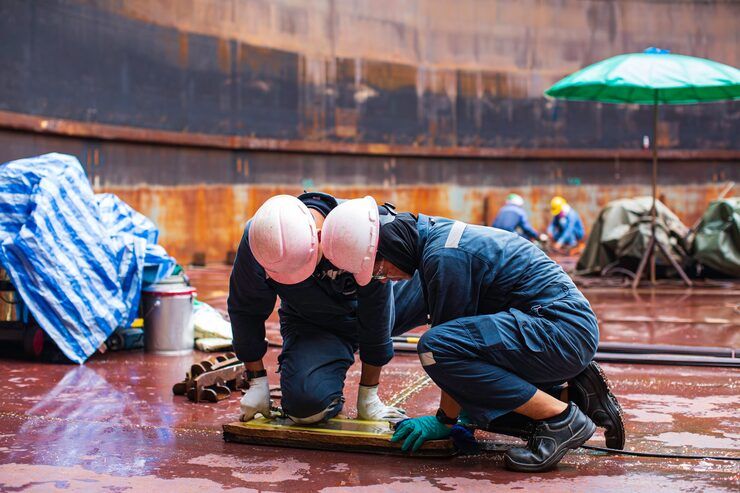
Professional flood cleanup is therefore more than simply removing visible water. A complete recovery process involves assessing the affected property, controlling immediate risks, extracting water, drying materials, cleaning contaminated areas, addressing damaged contents, and checking whether the building has returned to a stable condition.
Understanding each stage can help property owners make informed decisions when dealing with water damage after flooding.
What Is Flood Cleanup?
Flood cleanup is the organized process of restoring a property after water enters areas that are normally dry. The work may involve water extraction, drying, cleaning, disinfection, moisture monitoring, debris removal, and repair planning.
Floodwater can come from several sources, including heavy rainfall, overflowing rivers, drainage failures, storm events, plumbing failures, or other forms of water intrusion. The source and condition of the water influence how the affected areas should be handled.
A professional assessment is particularly important because visible water does not always represent the full extent of the damage. Moisture can travel beneath flooring, inside wall cavities, behind cabinets, and through insulation.
Why Rapid Water Removal Matters
Standing water becomes increasingly problematic as it remains inside a building. Porous materials such as drywall, wood, carpets, upholstery, and insulation can absorb significant amounts of moisture.
Prompt water removal helps limit:
- Material deterioration
- Swelling and warping
- Mold development
- Persistent odors
- Damage to furnishings
- Electrical hazards
- Further moisture migration
The objective is not simply to make the floor appear dry. The property needs to be evaluated for hidden moisture so that affected materials can be properly dried or removed when necessary.
First Steps After Flooding
Safety should come before cleanup activities.
If a property has experienced substantial flooding, occupants should avoid entering areas where electrical equipment, outlets, wiring, or appliances may have been exposed to water. Floodwater can also contain contaminants, debris, chemicals, sewage, or microorganisms.
Before cleanup begins, important considerations include:
- Identifying the source of the water
- Determining whether the building is structurally stable
- Keeping people away from hazardous areas
- Avoiding contact with potentially contaminated water
- Arranging appropriate professional assessment when conditions are unsafe
Water should not be treated as harmless simply because it appears clear.
Assessing the Extent of Water Damage
A thorough assessment helps establish how far the water has traveled and which materials have been affected.
Professionals may inspect:
- Floors and subfloors
- Walls and ceilings
- Insulation
- Cabinets
- Furniture
- Electrical components
- HVAC systems
- Doors and windows
- Stored belongings
- Structural framing
Moisture detection equipment can help identify damp areas that are not visible to the eye.
This assessment also helps distinguish between materials that can potentially be dried and restored and materials that may require removal because of contamination or deterioration.
The Water Extraction Process
Water extraction is one of the first major stages of professional flood cleanup.
Specialized extraction equipment can remove standing water from floors, carpets, and other affected surfaces. The method depends on the amount of water present, the type of flooring, and the accessibility of affected areas.
Removing standing water quickly reduces the amount of moisture that can migrate into surrounding materials.
However, extraction alone does not complete the recovery process. Building materials can retain moisture even after visible water has been removed.
Drying and Dehumidification
Effective drying is essential because moisture may remain inside porous materials and enclosed spaces.
Air movement and dehumidification help remove moisture from the affected environment. Professionals may monitor humidity levels and material moisture during the drying process rather than relying only on how surfaces feel.
Important areas to monitor include:
- Wall cavities
- Subfloors
- Carpets and padding
- Wood components
- Cabinets
- Insulation
- Areas beneath appliances
Drying should continue until moisture levels have returned to appropriate conditions for the affected materials and environment.
Cleaning and Sanitizing Flood-Affected Areas
Floodwater may introduce dirt, microorganisms, chemicals, and other contaminants into a property. Cleaning therefore involves more than removing visible mud or debris.
Affected surfaces may require appropriate cleaning and sanitizing procedures based on the type of water involved.
Different situations require different approaches. Water originating from a clean internal source may present different concerns from water that has entered through an exterior flood or sewage-contaminated area.
Professional assessment helps determine the appropriate cleaning process and whether particular materials can safely remain in the property.
Managing Mold Risk
Mold can develop when moisture remains in a warm environment for an extended period. Flood cleanup therefore places significant emphasis on moisture control.
Warning signs can include:
- Musty odors
- Visible discoloration
- Persistent dampness
- Condensation
- Moisture inside walls or flooring
Simply painting over visible mold or covering damp materials does not address the underlying moisture problem.
The fundamental objective is to identify and control the moisture source, dry affected materials appropriately, and address contaminated materials according to their condition.
Recovering Furniture and Personal Belongings
Flooding can affect household contents as seriously as the building itself.
Items may include:
- Upholstered furniture
- Clothing
- Books
- Electronics
- Wooden furniture
- Documents
- Decorative objects
- Appliances
Not every item should be treated in the same way. Materials that absorb water quickly may be more difficult to restore, while certain non-porous items may be easier to clean.
Electronics exposed to water should not simply be switched on to determine whether they still work. Water exposure can create electrical and internal component risks.
Structural and Building Material Considerations
Water can alter the physical properties of building materials.
Wood may swell, warp, or deteriorate when exposed to prolonged moisture. Drywall can absorb water and lose structural or surface integrity. Flooring may buckle or separate, while insulation can retain moisture for extended periods.
A professional evaluation can help determine whether affected materials should be dried, cleaned, monitored, repaired, or removed.
This is particularly important when moisture has entered concealed structural spaces.
Flood Cleanup and Indoor Air Quality
Flooding can affect indoor air quality through prolonged humidity, mold development, contaminated materials, and odors.
After water extraction, drying and ventilation become important parts of recovery. HVAC systems may also require inspection if they were exposed to floodwater.
Running an affected heating or cooling system without proper evaluation can potentially spread contaminants or moisture through the building.
Maintaining appropriate indoor humidity after cleanup helps reduce the likelihood of recurring moisture-related problems.
Common Flood Cleanup Mistakes
Several approaches can create additional problems during property recovery.
Focusing Only on Visible Water
Water may remain beneath flooring or inside walls even when surfaces appear dry.
Delaying Drying
Longer exposure gives moisture more opportunity to penetrate porous materials and create secondary damage.
Ignoring Contaminated Water
Floodwater may contain biological or chemical contaminants that require appropriate protective measures and cleaning procedures.
Using Damaged Electrical Equipment
Water-exposed electrical components should be evaluated appropriately before being used again.
Covering Moisture Instead of Removing It
Painting, flooring replacement, or other cosmetic work should not be used to conceal unresolved moisture problems.
When Professional Flood Cleanup Is Appropriate
Minor, isolated water incidents may sometimes be manageable with appropriate household measures. More extensive flooding can involve structural materials, electrical systems, contaminated water, or concealed moisture and may require specialized equipment and expertise.
Professional involvement is particularly relevant when:
- Large areas are affected
- Water has entered walls or flooring
- Floodwater may be contaminated
- Electrical systems have been exposed
- Mold is present or suspected
- Structural materials show significant damage
- Drying requires specialized equipment
- The water source cannot be controlled
The appropriate response depends on the severity, source, and duration of the water exposure.
Property Recovery After Flood Cleanup
Water removal is only one stage of recovery. Once affected areas are clean and dry, remaining repair needs can be evaluated.
Recovery may involve:
- Replacing damaged drywall
- Repairing flooring
- Restoring cabinetry
- Repainting surfaces
- Replacing damaged insulation
- Repairing electrical components
- Addressing plumbing issues
- Restoring personal belongings
Repairs should generally follow moisture assessment and drying rather than occurring before the property is stable.
Frequently Asked Questions
What is the first priority after flooding?
Safety and control of the water source are the first priorities. Electrical hazards, structural instability, and contaminated water should be assessed before entering or cleaning affected areas.
How long does flood cleanup take?
The timeline varies according to the amount of water, affected materials, building construction, environmental conditions, and extent of contamination. Drying may require continued monitoring until moisture levels stabilize.
Can wet drywall and flooring always be restored?
Not necessarily. The condition, material type, contamination level, and duration of water exposure determine whether a material can be appropriately dried and restored or requires removal.
Why is moisture monitoring important?
Surfaces can appear dry while moisture remains inside walls, flooring, cabinets, or insulation. Monitoring helps identify hidden moisture and confirms whether drying has progressed adequately.
Can flooding lead to mold?
Yes. Persistent moisture and elevated humidity can create conditions that support mold growth. Prompt water removal, effective drying, and moisture control are important parts of reducing this risk.
Conclusion
Professional flood cleanup is a structured process that goes well beyond removing standing water. Effective property recovery requires attention to safety, water extraction, drying, moisture detection, cleaning, contamination control, mold prevention, and the condition of building materials and personal belongings.
The most important principle is to address both visible and hidden moisture. A property may look clean while damp materials remain beneath floors, inside walls, or within other concealed spaces. Careful assessment and appropriate drying help establish a safer and more stable environment before repairs begin.
Understanding the flood cleanup process allows property owners to respond more effectively after water damage and make informed decisions about restoration, repair, and long-term moisture management.