The global transition toward cleaner energy has increased the importance of renewable energy equipment across residential, commercial, industrial, and utility-scale applications.
As countries work to improve energy security, reduce emissions, and diversify electricity generation, renewable technologies have become an essential part of modern power infrastructure.
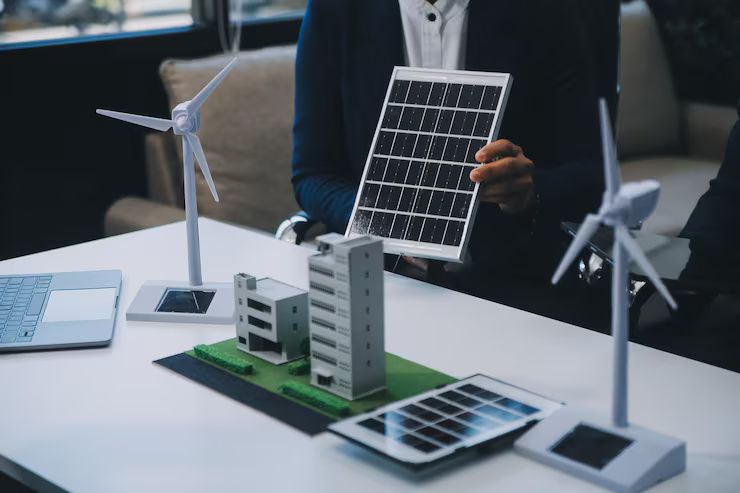
Renewable energy systems no longer focus solely on generating electricity. Today's solutions integrate power generation, energy storage, digital monitoring, and intelligent grid management to deliver reliable and efficient performance. Whether capturing sunlight, harnessing wind, utilizing flowing water, or converting biomass into usable energy, modern renewable power equipment is designed to operate as part of a connected energy ecosystem.
This guide explains the key types of renewable energy equipment, how renewable energy systems work, the role of energy storage, grid integration technologies, and the trends shaping the future of clean energy.
What Is Renewable Energy Equipment?
Renewable energy equipment includes the machines, devices, and supporting technologies used to generate, store, manage, and distribute energy from naturally replenishing resources. Unlike conventional energy systems that depend on finite fossil fuels, renewable systems rely on continuously available sources such as sunlight, wind, water, geothermal heat, and biomass.
A complete renewable energy system typically includes several components working together rather than a single piece of equipment. These systems often combine electricity generation, power conversion, monitoring, storage, and grid communication to ensure stable and efficient operation.
Examples of renewable energy equipment include:
- Solar photovoltaic panels
- Wind turbines
- Hydroelectric turbines
- Biomass conversion systems
- Geothermal heat pumps
- Battery energy storage systems
- Power inverters
- Charge controllers
- Smart energy meters
- Grid synchronization equipment
Each component plays a specific role in producing and managing clean electricity.
Why Renewable Energy Systems Matter
Growing energy demand and increasing attention to environmental sustainability have made renewable energy systems an important part of modern infrastructure.
Well-designed systems help support:
- Diversified energy generation
- Improved energy reliability
- Reduced dependence on finite fuel resources
- Lower greenhouse gas emissions
- Greater energy resilience
- Integration of distributed power generation
- Long-term infrastructure modernization
Renewable energy equipment is now widely used in homes, businesses, manufacturing facilities, agricultural operations, public infrastructure, and large utility projects.
How Renewable Energy Systems Work
Although different renewable technologies operate differently, most systems follow a similar process.
First, energy is captured from a renewable source such as sunlight, wind, flowing water, geothermal heat, or organic materials.
Next, generation equipment converts this natural resource into usable electricity or thermal energy.
Power conversion equipment then regulates voltage, frequency, and electrical quality before delivering energy to buildings, storage systems, or the electrical grid.
When electricity production exceeds immediate demand, energy storage systems may store excess power for later use. Intelligent monitoring systems continuously manage energy flow to improve efficiency and maintain system stability.
This coordinated process allows renewable energy systems to deliver reliable power under changing environmental conditions.
Major Types of Renewable Energy Equipment
Several categories of clean energy equipment support modern electricity generation.
Solar Energy Equipment
Solar photovoltaic systems convert sunlight directly into electricity using semiconductor materials.
Common components include:
- Solar panels
- Mounting structures
- Power inverters
- Charge controllers
- Battery storage systems
- Monitoring platforms
Solar technology is widely used because it can be deployed on rooftops, commercial buildings, and utility-scale solar farms.
Wind Energy Equipment
Wind turbines capture the kinetic energy of moving air and convert it into electricity.
Modern wind systems generally include:
- Rotor blades
- Nacelle assemblies
- Gearboxes or direct-drive systems
- Generators
- Towers
- Control systems
Wind energy plays a significant role in both onshore and offshore renewable power generation.
Hydroelectric Equipment
Hydroelectric systems use flowing or falling water to rotate turbines connected to electrical generators.
Equipment may include:
- Turbines
- Generators
- Water control gates
- Flow regulation systems
- Monitoring equipment
Hydropower continues to provide reliable renewable electricity in many regions.
Biomass Energy Equipment
Biomass systems convert organic materials into heat, electricity, or biofuels.
Typical equipment includes:
- Feedstock handling systems
- Combustion units
- Gasification equipment
- Anaerobic digesters
- Power generation units
These systems utilize renewable organic materials while supporting waste management strategies.
Geothermal Equipment
Geothermal systems use heat stored beneath the Earth's surface.
Common equipment includes:
- Ground heat exchangers
- Heat pumps
- Circulation systems
- Control units
Geothermal technologies provide both heating and cooling while maintaining high energy efficiency.
Energy Storage: Supporting Reliable Renewable Power
One challenge associated with some renewable energy sources is that power generation depends on natural conditions such as sunlight or wind availability.
Energy storage systems help address this by storing excess electricity and releasing it when generation decreases or demand increases.
Common energy storage technologies include:
- Lithium-ion battery systems
- Flow batteries
- Thermal energy storage
- Pumped hydro storage
- Mechanical energy storage
Storage systems improve flexibility, increase renewable energy utilization, and support grid stability during changing operating conditions.
Grid Integration and Smart Energy Management
Modern renewable energy systems are increasingly connected to intelligent electrical grids.
Grid integration involves coordinating renewable generation with the broader electricity network while maintaining stable voltage, frequency, and power quality.
Key technologies supporting grid integration include:
- Smart inverters
- Grid synchronization equipment
- Digital protection systems
- Advanced monitoring software
- Smart meters
- Energy management platforms
- Demand response technologies
These technologies allow renewable power equipment to operate efficiently alongside conventional power generation.
Comparing Common Renewable Energy Equipment
| Equipment Type | Primary Energy Source | Typical Application |
|---|---|---|
| Solar Photovoltaic Systems | Sunlight | Residential, commercial, utility-scale electricity generation |
| Wind Turbines | Wind | Large-scale and distributed power generation |
| Hydroelectric Equipment | Flowing water | Utility-scale electricity generation |
| Biomass Systems | Organic materials | Heat and electricity production |
| Geothermal Systems | Underground heat | Heating, cooling, and electricity generation |
| Battery Energy Storage | Stored electricity | Energy balancing and backup support |
Each technology contributes differently depending on local environmental conditions, infrastructure, and energy requirements.
Choosing Renewable Energy Equipment
Selecting appropriate renewable energy equipment depends on several technical and environmental considerations.
Important factors include:
Resource Availability
The availability of sunlight, wind, water resources, geothermal heat, or biomass significantly influences system selection.
Energy Demand
Understanding current and future energy requirements helps determine appropriate system capacity.
Site Conditions
Installation location, available space, terrain, climate, and environmental conditions all affect equipment performance.
Grid Connectivity
Some systems operate independently, while others integrate directly with public electricity networks.
Maintenance Requirements
Different renewable technologies require varying levels of inspection, cleaning, and preventive maintenance.
Considering these factors helps support efficient and reliable long-term operation.
Benefits of Modern Clean Energy Equipment
Renewable technologies provide advantages beyond electricity generation.
Modern clean energy equipment can contribute to:
- Lower environmental impact
- Greater energy diversity
- Improved system resilience
- Enhanced energy security
- Reduced dependence on conventional fuel sources
- Flexible power generation
- Digital energy management
- Scalable infrastructure development
As technology advances, renewable systems continue to improve in efficiency, durability, and operational intelligence.
Challenges Facing Renewable Energy Systems
Despite significant progress, renewable energy technologies continue to face several engineering and operational challenges.
These include:
- Variable weather conditions
- Grid balancing requirements
- Energy storage limitations
- Infrastructure modernization
- Equipment recycling and end-of-life management
- Land use planning
- Integration with existing electrical networks
Ongoing research and technological innovation continue to address these challenges through improved equipment design and smarter energy management.
Emerging Trends in Renewable Power Equipment
Renewable energy technology continues to evolve rapidly.
Several trends are shaping future development:
- Artificial intelligence for energy optimization
- Smart grid expansion
- Larger battery storage installations
- Hybrid renewable energy systems
- Digital monitoring using cloud platforms
- Predictive maintenance with sensor technology
- Advanced power electronics
- Increased integration of distributed energy resources
- Enhanced cybersecurity for energy infrastructure
- Greater use of recyclable and sustainable materials
These developments are helping renewable energy systems become more efficient, adaptable, and resilient.
Renewable Energy and the Future of Sustainable Infrastructure
Renewable energy equipment is becoming an integral part of modern infrastructure rather than a separate energy option. Cities, industries, transportation systems, and public utilities increasingly rely on renewable power equipment to support long-term sustainability goals.
As electricity demand grows and energy networks become more interconnected, renewable technologies will continue to work alongside energy storage, digital control systems, and smart grids to create flexible and reliable power systems.
The future of energy lies not only in cleaner electricity generation but also in intelligent coordination between generation, storage, and distribution technologies.
Frequently Asked Questions
What is renewable energy equipment?
Renewable energy equipment includes the technologies and devices used to generate, store, convert, and manage energy from renewable resources such as sunlight, wind, water, biomass, and geothermal heat.
What are renewable energy systems?
Renewable energy systems combine generation equipment, energy storage, power conversion, monitoring, and control technologies to produce and distribute clean energy efficiently.
Why is energy storage important in renewable power systems?
Energy storage helps balance electricity supply and demand by storing excess renewable energy and supplying it when generation decreases or demand increases.
What is grid integration in renewable energy?
Grid integration is the process of connecting renewable power equipment with the electrical grid while maintaining stable voltage, frequency, safety, and reliable electricity delivery.
What is the difference between clean energy equipment and renewable power equipment?
Clean energy equipment broadly refers to technologies that reduce environmental impact, while renewable power equipment specifically focuses on generating electricity from naturally replenishing energy sources.
Conclusion
Renewable energy equipment has become a cornerstone of modern power infrastructure, supporting cleaner electricity generation, improved energy resilience, and more efficient resource management. From solar panels and wind turbines to battery storage systems and intelligent grid technologies, today's renewable energy systems are designed to operate as connected, data-driven networks rather than isolated power sources.
As advancements in energy storage, digital monitoring, artificial intelligence, and grid integration continue, clean energy equipment will play an increasingly important role in meeting global energy demands. Understanding how renewable power equipment works enables individuals, businesses, and communities to appreciate the technologies shaping a more sustainable, reliable, and flexible energy future.