
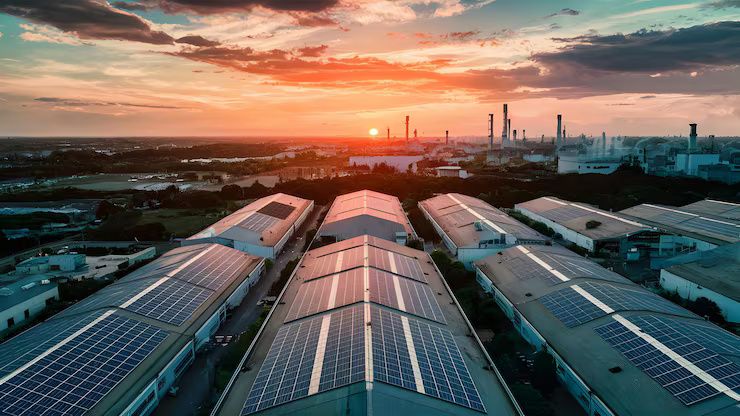
Renewable energy manufacturing refers to the production of equipment, materials, and components used to generate clean energy from natural sources such as sunlight, wind, water, and geothermal heat. It also includes manufacturing methods that reduce energy use, lower emissions, and make efficient use of raw materials. As industries work toward reducing environmental impacts, green manufacturing technologies have become an important part of modern production.
Many products used in renewable energy systems, including solar panels, wind turbine components, battery systems, and energy storage equipment, require advanced manufacturing processes. These processes are designed to improve efficiency while reducing waste and environmental impact. Renewable energy manufacturing has grown alongside global efforts to encourage cleaner energy production and more sustainable industrial practices.
Context
Understanding Renewable Energy Manufacturing
Renewable energy manufacturing combines traditional industrial production with technologies that support cleaner energy systems. Manufacturers use advanced machinery, automation, digital monitoring, and efficient production methods to produce equipment used in renewable energy projects.
This field covers a wide range of industries, including:
- Solar panel manufacturing
- Wind turbine manufacturing
- Battery manufacturing
- Energy storage system production
- Electric vehicle component manufacturing
- Smart grid equipment production
The development of renewable energy manufacturing reflects changing energy needs. As countries seek to reduce greenhouse gas emissions, demand for renewable energy equipment continues to grow.
What Are Green Manufacturing Technologies?
Green manufacturing technologies refer to production methods that reduce environmental impacts while maintaining efficient manufacturing processes. These technologies focus on reducing energy consumption, lowering waste generation, improving material efficiency, and supporting cleaner industrial operations.
Common examples include:
- Industrial automation
- Artificial intelligence for production planning
- Digital twins
- Predictive maintenance
- Energy management systems
- Robotics for precision manufacturing
- Recycling and material recovery technologies
These technologies help manufacturers improve resource efficiency throughout the production process.
Importance
Why Renewable Energy Manufacturing Matters
Renewable energy manufacturing plays an important role in supporting cleaner electricity generation and sustainable industrial development. Without manufacturing facilities, renewable energy systems could not be produced on the scale required for growing energy demand.
Its importance extends across several areas:
- Supports cleaner energy production
- Reduces dependence on fossil fuels
- Encourages efficient use of industrial resources
- Supports lower industrial emissions
- Improves long-term energy security
- Encourages innovation in manufacturing technology
Impact on Everyday Life
Although many people never visit a manufacturing plant, renewable energy manufacturing affects everyday life in several ways.
For example, homes powered by rooftop solar panels depend on carefully manufactured photovoltaic cells. Public transportation systems increasingly rely on batteries produced using advanced manufacturing methods. Even household appliances may include components made in facilities using energy-efficient production systems.
Environmental Benefits
Green manufacturing technologies aim to reduce the environmental footprint of industrial production.
Some common environmental improvements include:
- Lower greenhouse gas emissions
- Reduced industrial waste
- Improved recycling of materials
- Better water management
- Reduced energy consumption
- Greater use of renewable electricity in factories
These improvements contribute to broader sustainability goals while maintaining industrial productivity.
Renewable Energy Technologies and Manufacturing
The table below shows how different renewable energy technologies connect with manufacturing activities.
| Renewable Energy Technology | Main Manufacturing Focus | Common Industrial Application |
|---|---|---|
| Solar energy | Photovoltaic modules | Residential and commercial electricity |
| Wind energy | Turbine blades and towers | Utility-scale power generation |
| Hydropower | Turbines and generators | Water-based electricity production |
| Battery storage | Lithium battery systems | Energy storage and grid support |
| Smart grid | Digital control equipment | Electricity distribution |
Recent Updates
Continued Investment in Manufacturing Capacity
Between 2024 and 2026, many countries continued expanding manufacturing capacity for renewable energy equipment. New production facilities focused on solar modules, battery systems, wind turbine components, and energy storage technologies.
Manufacturers have also invested in automated production lines that improve manufacturing precision while reducing material waste.
Growth of Artificial Intelligence
Artificial intelligence has become increasingly important in renewable energy manufacturing.
Its applications include:
- Monitoring equipment performance
- Improving production scheduling
- Detecting manufacturing defects
- Predicting maintenance needs
- Improving energy efficiency
These technologies help manufacturers make production more consistent while reducing unnecessary resource consumption.
Expansion of Battery Manufacturing
Battery manufacturing has remained an important area of development because batteries support renewable electricity storage and electric transportation.
Manufacturing improvements include:
- Higher production efficiency
- Better recycling methods
- Improved material recovery
- Advanced quality inspection systems
These developments contribute to more reliable energy storage technologies.
Increased Circular Manufacturing
Many manufacturers have continued adopting circular manufacturing practices.
Instead of treating used materials as waste, companies increasingly recover valuable metals, plastics, and electronic components for future production. This approach reduces pressure on natural resources while improving material efficiency.
Laws or Policies
Government policies play an important role in shaping renewable energy manufacturing. Regulations vary by country, but many share similar objectives such as reducing emissions, encouraging cleaner industrial production, and improving energy efficiency.
Environmental Regulations
Manufacturing facilities often operate under environmental regulations that address:
- Air emissions
- Water quality
- Waste management
- Chemical handling
- Industrial energy efficiency
These regulations aim to reduce environmental impacts while supporting responsible manufacturing practices.
Renewable Energy Programs
Many governments have introduced programs that encourage renewable energy development through manufacturing support, research initiatives, and industrial modernization.
These programs may focus on:
- Expanding renewable electricity generation
- Supporting clean technology development
- Improving manufacturing efficiency
- Encouraging advanced industrial equipment
- Strengthening domestic production capacity
Product Standards
Renewable energy equipment commonly follows technical standards designed to improve safety, durability, and performance.
Manufacturers generally evaluate products through testing procedures before equipment enters commercial use.
Tools and Resources
Several digital tools help manufacturers improve renewable energy production and green manufacturing technologies.
Common resources include:
- Computer-aided design (CAD) software for product development
- Manufacturing execution systems (MES) for production monitoring
- Enterprise resource planning (ERP) platforms for manufacturing management
- Digital twin software for production simulation
- Energy management systems that monitor factory electricity use
- Lifecycle assessment software that evaluates environmental impacts
- Industrial Internet of Things (IIoT) platforms for equipment monitoring
Templates commonly used within manufacturing include:
- Production planning templates
- Equipment maintenance schedules
- Energy tracking spreadsheets
- Quality inspection checklists
- Environmental reporting templates
These resources support efficient planning, monitoring, and continuous improvement throughout manufacturing operations.
FAQs
What is renewable energy manufacturing?
Renewable energy manufacturing is the process of producing equipment and components used for renewable energy systems, including solar panels, wind turbines, batteries, and energy storage technologies. It also includes manufacturing methods that improve energy efficiency and reduce environmental impacts.
How do green manufacturing technologies improve industrial production?
Green manufacturing technologies help reduce energy use, improve material efficiency, lower emissions, reduce waste, and support cleaner production methods through automation, digital monitoring, and advanced manufacturing systems.
Which industries use renewable energy manufacturing?
Renewable energy manufacturing supports industries such as electricity generation, battery production, electric transportation, industrial equipment manufacturing, smart grid technology, and energy storage.
What technologies are commonly used in renewable energy manufacturing?
Common technologies include industrial automation, robotics, artificial intelligence, digital twins, predictive maintenance, manufacturing execution systems, and energy management software.
Why are renewable energy manufacturing and green manufacturing technologies becoming more important?
Renewable energy manufacturing and green manufacturing technologies help industries reduce environmental impacts while supporting growing demand for cleaner energy systems, efficient production methods, and sustainable industrial development.
Conclusion
Renewable energy manufacturing combines advanced industrial production with technologies that support cleaner energy systems and improved resource efficiency. Green manufacturing technologies continue to influence how renewable energy equipment is designed and produced across many industries. Developments in automation, digital monitoring, battery production, and circular manufacturing are shaping modern manufacturing practices. As industrial technology continues to evolve, renewable energy manufacturing remains an important part of the transition toward more sustainable production system