Safety sensors are devices used in industrial automation and machinery to detect people, objects, access conditions, hazardous movements, or changes in operating environments. They can send signals to safety control systems when a predefined condition is detected, helping initiate protective actions such as stopping machinery, preventing startup, or restricting access.
Safety sensors are widely integrated into manufacturing machinery, robotic cells, packaging lines, conveyors, presses, material-handling systems, and automated production equipment. Depending on the application, systems may use light curtains, safety laser scanners, safety switches, magnetic sensors, pressure-sensitive devices, or other detection technologies.
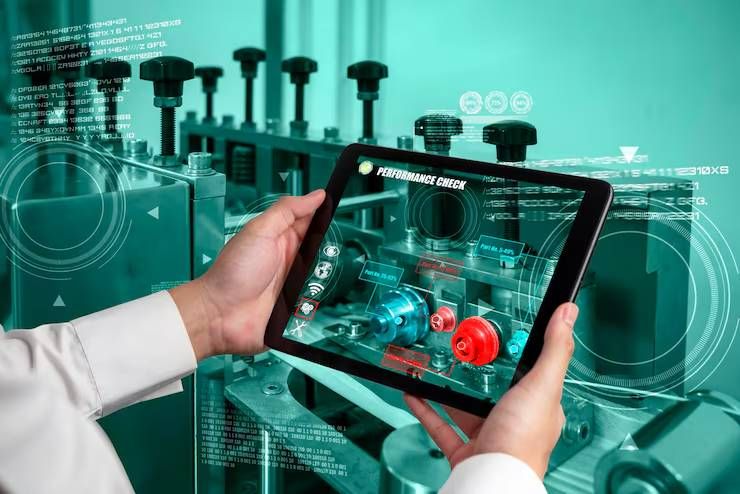
What Are Safety Sensors?
Safety sensors are specialized sensing devices designed to contribute to machine and process safety systems.
Unlike conventional industrial sensors that primarily provide information for process control, safety sensors are generally designed for safety-related functions and are used with compatible safety controllers, relays, or other protective systems.
A safety sensor system can monitor conditions such as:
Access to hazardous areas
Opening of protective guards
Human presence
Movement within restricted zones
Machine access points
Object intrusion
Position of safety doors
Pressure-sensitive areas
Hazardous machine states
When a dangerous condition is detected, the safety system can initiate a defined protective response.
Major Types of Safety Sensors
Different safety sensor technologies are used according to the machine, hazard, detection range, and required protective function.
| Safety Sensor Type | Detection Method | Typical Applications |
|---|---|---|
| Safety Light Curtain | Infrared beam interruption | Presses and machine access |
| Safety Laser Scanner | Laser-based area detection | Robotics and mobile equipment |
| Safety Door Switch | Guard position detection | Machine enclosures |
| Magnetic Safety Switch | Magnetic field detection | Safety doors and guards |
| Safety Proximity Sensor | Non-contact position detection | Guard monitoring |
| Pressure-Sensitive Sensor | Applied pressure | Safety mats and edges |
| Safety Photoelectric Sensor | Optical detection | Access and object detection |
| Two-Hand Control Sensor | Operator hand position | Press machinery |
| RFID Safety Sensor | Coded identification | Guard and door monitoring |
Safety Light Curtains
Safety light curtains use multiple optical beams to create a protective detection field.
When an object or person interrupts the protected field, the safety system can send a signal to stop or inhibit hazardous machine movement.
Common applications include:
Hydraulic presses
Mechanical presses
Packaging machines
Robotic cells
Assembly machines
Automated production lines
Light curtains are particularly useful where frequent access to a machine is required.
Safety Laser Scanners
Safety laser scanners use laser-based detection to monitor defined areas around machinery.
They can create configurable protective zones and are commonly used around:
Industrial robots
Automated guided vehicles
Autonomous mobile robots
Material-handling equipment
Automated production cells
A scanner can detect an intrusion into a configured safety zone and communicate with a safety control system.
Safety Door and Guard Sensors
Safety switches and sensors monitor the position of machine guards and access doors.
If a guard is opened while hazardous movement is possible, the safety system can initiate an appropriate protective action.
Technologies include mechanical switches, magnetic switches, RFID-coded sensors, and non-contact electronic devices.
Safety Proximity Sensors
Safety proximity sensors detect the position of machine components or protective devices without requiring physical contact.
They can be used to monitor guard positions, movable machine elements, and other safety-related conditions.
The sensor must be selected and integrated according to the required safety function and system architecture.
How Safety Sensors Work
A typical safety sensor system operates through several stages.
1. Hazard Identification
The machinery and operating environment are assessed to determine where hazardous access or movement may occur.
2. Sensor Installation
The appropriate safety sensor is positioned at a defined protective location.
3. Condition Detection
The sensor monitors its designated area, object, guard, position, or access condition.
4. Safety Signal Generation
When a defined safety condition changes, the sensor generates a safety-related signal.
5. Safety Control Processing
A safety relay, safety PLC, or integrated safety controller evaluates the signal.
6. Protective Response
The control system initiates the programmed safety response, which may include stopping motion, removing energy from an actuator, or preventing machine startup.
Safety Technologies Used With Sensors
Safety sensors are normally part of a larger machine safety architecture.
Safety Relays
Safety relays process signals from safety devices and provide switching functions for safety circuits.
Safety PLCs
Safety PLCs can process multiple safety inputs and outputs while coordinating complex safety functions.
Emergency Stop Systems
Emergency-stop devices can be integrated with sensor-based safety architectures to provide additional means of stopping machinery.
Safety Controllers
Dedicated controllers can monitor multiple safety devices and manage defined safety functions.
Industrial Communication
Some modern safety systems use industrial networks to exchange safety-related signals between controllers, sensors, drives, and other equipment.
Components of a Safety Sensor System
A complete installation may include:
Safety sensors
Safety controllers
Safety relays
Emergency-stop devices
Safety contactors
Safety-rated drives
Machine guards
Safety PLCs
Industrial communication modules
Diagnostic interfaces
Operator interfaces
The complete system must be designed so that individual components work together according to the intended safety architecture.
Manufacturing Processes for Safety Sensors
Safety sensor manufacturing combines mechanical, electronic, optical, and software engineering.
Mechanical Housing Production
Sensor housings can be produced from engineered plastics, aluminum, stainless steel, or other materials suitable for the operating environment.
Electronic Circuit Assembly
Printed circuit boards are populated with sensing electronics, signal-processing components, communication interfaces, and diagnostic circuits.
Sensor Integration
Optical elements, magnetic components, proximity elements, laser components, or other sensing technologies are integrated into the device.
Firmware Development
Embedded software can manage sensing, diagnostics, communication, configuration, and fault detection.
Calibration
Sensors are tested and calibrated against defined reference conditions to verify measurement and detection characteristics.
Environmental Testing
Industrial safety sensors may undergo testing for temperature, vibration, humidity, ingress protection, electromagnetic compatibility, and other environmental conditions.
Functional Testing
Finished devices are tested to confirm detection behavior, outputs, diagnostics, communication, and safety-related functions.
Factors Affecting Safety Sensor Selection
Selecting a safety sensor requires more than considering its detection range.
Important factors include:
Type of hazard
Required protective distance
Detection method
Machine speed
Access frequency
Environmental conditions
Sensor operating range
Resolution
Response time
Enclosure protection
Electrical interface
Safety system architecture
Diagnostic requirements
Applicable machinery standards
The sensor should be selected as part of the complete safety function rather than as an isolated component.
Global Manufacturers and Suppliers
The industrial safety market includes manufacturers of safety sensors, machine protection systems, safety controllers, automation components, and integrated safety technologies.
Examples include:
SICK
Keyence
Omron
Banner Engineering
Rockwell Automation
Pilz
Schneider Electric
Leuze
Product configurations vary by detection technology, sensing range, response time, environmental rating, communication interface, and intended machine application.
Industrial Applications of Safety Sensors
Manufacturing Machinery
Safety sensors can protect operators around presses, cutting equipment, forming machines, assembly equipment, and automated machinery.
Robotics
Robotic work cells can use laser scanners, light curtains, door switches, and other safety devices to control access to hazardous zones.
Packaging Equipment
Packaging machinery can incorporate safety sensors around conveyors, filling systems, sealing equipment, labeling machines, and automated handling equipment.
Material Handling
Conveyor systems, automated storage equipment, lifting systems, and other material-handling machinery can incorporate safety detection devices.
Automotive Manufacturing
Automotive production lines use safety sensors around robotic cells, assembly stations, presses, welding equipment, and material-handling systems.
Food Processing
Processing and packaging equipment may use safety sensors to monitor machine guards, access points, and hazardous moving components.
Warehousing and Logistics
Automated warehouse systems can integrate safety scanners and other protective devices around mobile robots, conveyors, and automated handling equipment.
Safety Sensors and Industrial Automation
Modern automation systems increasingly integrate safety functions with machine control architectures.
A typical arrangement may include:
Safety Sensor → Safety Controller → Safety Drive/Contactor → Machine Actuator
For example, a safety laser scanner can detect entry into a restricted robotic-cell area. The safety controller evaluates the signal and can command the relevant safety-rated drive or switching device to bring the hazardous motion to a defined safe state.
Advanced systems may also provide diagnostic information to maintenance and supervisory systems.
Safety Sensor Technologies Compared
| Technology | Detection Principle | Typical Strength |
|---|---|---|
| Light Curtain | Optical beam interruption | Access protection |
| Laser Scanner | Laser-based area monitoring | Flexible zone protection |
| Magnetic Sensor | Magnetic field | Guard monitoring |
| RFID Sensor | Coded electronic identification | Guard monitoring |
| Proximity Sensor | Non-contact detection | Position monitoring |
| Pressure Mat | Applied pressure | Floor-area protection |
| Safety Edge | Pressure/contact detection | Moving equipment edges |
How to Select Safety Sensors
When selecting safety sensors, consider the complete machine safety requirement.
Key considerations include:
Identify the hazardous movement or access point.
Determine the required detection technology.
Establish the protective field or sensing distance.
Evaluate machine stopping time.
Consider environmental conditions.
Check electrical and communication interfaces.
Verify compatibility with the safety controller.
Review required diagnostics.
Consider installation and maintenance requirements.
Verify applicable standards and risk-assessment requirements.
A qualified machine-safety professional should determine the appropriate protective architecture for the specific machinery and operating environment.
Frequently Asked Questions
What are safety sensors?
Safety sensors are specialized devices used within machine safety systems to detect hazardous access, movement, guard conditions, or other defined safety-related events.
What are the main types of safety sensors?
Common types include safety light curtains, laser scanners, safety door switches, magnetic safety sensors, proximity sensors, RFID sensors, pressure-sensitive devices, and photoelectric safety sensors.
Where are safety sensors used?
They are used in manufacturing, robotics, packaging, automotive production, material handling, food processing, warehousing, and other automated industrial environments.
Are safety sensors part of automation systems?
Yes. Safety sensors can be integrated with safety relays, safety PLCs, safety controllers, safety-rated drives, contactors, and industrial communication systems.
What should be considered when selecting a safety sensor?
Important considerations include hazard type, protective distance, detection method, response time, environmental conditions, machine stopping characteristics, electrical interface, diagnostics, and applicable safety requirements.
Conclusion
Safety sensors form an important part of modern machine-protection and industrial automation systems. Technologies such as light curtains, laser scanners, magnetic switches, RFID sensors, proximity devices, and pressure-sensitive sensors provide different approaches to detecting hazardous access and machine conditions.
Their effectiveness depends on proper selection, installation, integration, and validation within the complete safety architecture. Safety controllers, safety PLCs, relays, drives, contactors, guards, and emergency-stop systems can work together with sensors to implement defined protective functions.
As factories adopt robotics, automated material handling, connected machinery, and increasingly complex production systems, safety sensor technologies remain an important component of industrial machine-safety architectures.