
SCADA systems have become a critical technology in modern industrial automation by helping organizations monitor, control, and manage complex operations in real time. These systems are widely used in industries where continuous monitoring, data collection, and automated control are essential.
SCADA stands for Supervisory Control and Data Acquisition. It combines hardware and software technologies to collect information from industrial equipment, analyze operational data, and allow operators to control processes from centralized locations.
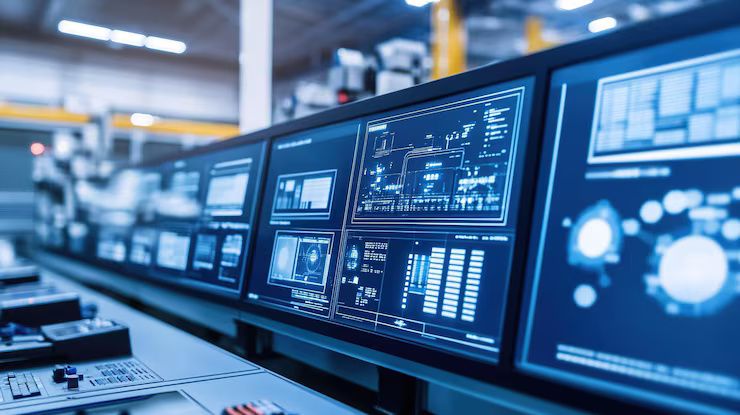
From manufacturing plants and energy facilities to water management systems and transportation networks, SCADA technology supports reliable and efficient industrial operations.
With advancements in digital transformation, Industrial Internet of Things (IIoT), and smart manufacturing, modern SCADA systems are becoming more intelligent, connected, and capable of advanced data analysis.
This guide explains SCADA system architecture, monitoring technologies, industrial automation applications, and the role of SCADA in modern control environments.
What Are SCADA Systems?
SCADA systems are industrial automation platforms designed to monitor and control physical processes through computerized systems.
They collect real-time information from machines, sensors, and industrial equipment, then display this data through monitoring interfaces for operators.
A SCADA system typically includes:
- Supervisory computers
- Remote terminal units (RTUs)
- Programmable Logic Controllers (PLCs)
- Human-machine interfaces (HMIs)
- Communication networks
- Data storage systems
These components work together to provide centralized monitoring and control of industrial processes.
For example, an energy company can use a SCADA system to monitor power generation equipment, track operating conditions, and identify abnormal situations quickly.
Importance of SCADA Systems in Industrial Automation
Industrial operations often involve thousands of devices working together. Managing these processes manually can be challenging, especially in large-scale facilities.
SCADA systems provide important capabilities such as:
- Real-time equipment monitoring
- Automated data collection
- Process control management
- Operational visibility
Industries use SCADA technology to improve decision-making and maintain consistent production processes.
For example, a manufacturing facility can monitor production lines, analyze equipment performance, and manage automated systems through a centralized SCADA platform.
SCADA System Architecture
The architecture of a SCADA system consists of multiple layers that work together to collect, process, and display industrial information.
Field Level
The field level includes physical equipment and sensors that collect operational information.
Common field devices include:
- Temperature sensors
- Pressure sensors
- Flow meters
- Motor controllers
- Industrial instruments
These devices generate data about real-world processes.
Control Level
The control level includes PLCs and RTUs that process information from field devices.
These controllers perform tasks such as:
- Reading sensor data
- Executing control programs
- Managing industrial equipment
PLCs are commonly used in factories, while RTUs are often used in remote facilities such as power networks and pipelines.
Supervisory Level
The supervisory level includes SCADA servers and operator workstations.
This level allows operators to:
- View process information
- Control equipment
- Analyze system performance
- Respond to operational changes
Enterprise Level
The enterprise level connects SCADA systems with business applications and data management platforms.
This integration allows organizations to use industrial data for:
- Performance analysis
- Planning decisions
- Process improvement
Main Components of SCADA Systems
Understanding SCADA components helps explain how these systems operate.
Supervisory Computer Systems
Supervisory computers act as the central management platform of SCADA systems.
They collect information from industrial devices and display operational data through graphical interfaces.
Operators use these systems to monitor processes and control equipment.
Remote Terminal Units (RTUs)
RTUs are control devices used to collect data from remote locations.
They are commonly used in:
- Energy distribution systems
- Water management facilities
- Oil and gas infrastructure
RTUs communicate field information back to the central SCADA system.
Programmable Logic Controllers (PLCs)
PLCs are widely used in SCADA environments because of their reliability and flexibility.
They control industrial machines by processing input signals and managing output actions.
Common PLC applications include:
- Production equipment control
- Motor management
- Automated processing systems
Human-Machine Interface (HMI)
HMIs provide a visual connection between operators and industrial systems.
Through HMI displays, operators can:
- Monitor equipment status
- View alarms
- Adjust operating parameters
- Analyze process information
HMIs make complex industrial operations easier to understand.
Communication Networks
Communication networks allow different SCADA components to exchange information.
Common communication technologies include:
- Industrial Ethernet
- Wireless communication
- Fieldbus networks
- Fiber optic systems
Reliable communication is essential for real-time monitoring and control.
SCADA Monitoring Technologies
Modern SCADA systems use advanced technologies to improve visibility, accuracy, and automation.
Real-Time Data Acquisition
Data acquisition is one of the main functions of SCADA systems.
The system continuously collects information from connected equipment and displays operational conditions in real time.
This helps operators understand:
- Machine performance
- Process conditions
- Equipment status
Alarm Management Systems
SCADA platforms include alarm systems that notify operators about unusual conditions.
Examples include:
- Equipment failures
- Temperature changes
- Pressure variations
- System errors
Effective alarm management helps operators respond quickly to potential problems.
Data Logging and Historical Analysis
SCADA systems store operational data for future analysis.
Historical data helps organizations understand:
- Performance trends
- Equipment behavior
- Process improvements
This information supports better maintenance planning and operational decisions.
Remote Monitoring Capabilities
Modern SCADA systems allow authorized users to monitor industrial operations remotely.
Remote access helps organizations manage distributed facilities such as:
- Power networks
- Water systems
- Industrial plants
Industrial Applications of SCADA Systems
SCADA technology is used across many industries where monitoring and control are important.
Manufacturing Industry
Manufacturing plants use SCADA systems to monitor production processes and equipment performance.
Applications include:
- Production line monitoring
- Machine control
- Quality tracking
- Energy management
SCADA integration helps factories improve visibility across their operations.
Energy and Power Industry
The energy sector is one of the largest users of SCADA technology.
Applications include:
- Power generation monitoring
- Electrical distribution control
- Grid management
SCADA systems help energy operators monitor large networks and respond to operational changes.
Water and Wastewater Management
Water facilities use SCADA systems to manage treatment and distribution processes.
Applications include:
- Pump monitoring
- Water quality tracking
- Flow control
- Storage management
These systems support efficient operation of water infrastructure.
Oil and Gas Industry
Oil and gas facilities often operate across large geographic areas.
SCADA systems help monitor:
- Pipeline conditions
- Production equipment
- Storage facilities
- Remote operations
Transportation Systems
Transportation infrastructure uses SCADA technology for monitoring and control.
Applications include:
- Railway systems
- Traffic management
- Tunnel monitoring
SCADA Integration With Smart Manufacturing
Industry 4.0 has increased the importance of connected SCADA systems in modern factories.
Smart manufacturing combines SCADA with technologies such as:
- Industrial Internet of Things
- Artificial intelligence
- Cloud computing
- Data analytics
Industrial Internet of Things (IIoT)
IIoT integration allows SCADA systems to connect with more devices and collect larger amounts of operational data.
Connected systems provide information about:
- Equipment performance
- Production conditions
- Energy usage
Artificial Intelligence and Data Analytics
AI-based analysis can help organizations identify patterns in industrial data.
Applications include:
- Predictive maintenance
- Process optimization
- Performance analysis
Cloud-Based SCADA Systems
Cloud technologies are changing how organizations store and analyze industrial information.
Cloud-connected SCADA systems provide:
- Remote accessibility
- Data management capabilities
- Scalable monitoring solutions
Benefits of SCADA Systems
SCADA technology provides several advantages for industrial operations.
Important benefits include:
- Improved operational visibility
- Faster response to system changes
- Better process control
- Enhanced data analysis
- Improved resource management
By providing real-time information, SCADA systems help organizations make informed operational decisions.
Challenges in SCADA Implementation
Although SCADA systems provide many advantages, organizations must consider certain challenges.
Common challenges include:
- Cybersecurity risks
- Complex system integration
- Maintenance requirements
- Need for skilled technical knowledge
As industrial systems become more connected, protecting SCADA networks has become increasingly important.
Future Trends in SCADA Technology
SCADA systems continue evolving with advancements in automation and digital technologies.
Future trends include:
- AI-powered monitoring systems
- Edge computing integration
- Advanced cybersecurity solutions
- Digital twin technology
- More intelligent automation platforms
These developments will help industries create more connected, efficient, and responsive control systems.
Conclusion
SCADA systems are essential technologies in modern industrial automation, providing real-time monitoring, data collection, and process control capabilities across multiple industries.
From manufacturing and energy to water management, transportation, and industrial infrastructure, SCADA platforms help organizations manage complex operations more effectively.
With integration into IIoT, artificial intelligence, cloud technologies, and smart manufacturing systems, SCADA technology continues to play a major role in building intelligent and connected industrial environments.