Self-drive road trips involve travelling between destinations in a personally driven car, allowing travellers to choose their route, departure time, stops, and pace.
Unlike fixed itineraries, this form of travel gives people greater control over how they experience highways, towns, natural areas, and cultural destinations.
In India, improvements in highways, digital navigation, electronic toll collection, and roadside information have made long-distance driving more structured. At the same time, drivers need to understand traffic rules, vehicle documents, weather conditions, toll systems, and road-safety practices before starting a journey.
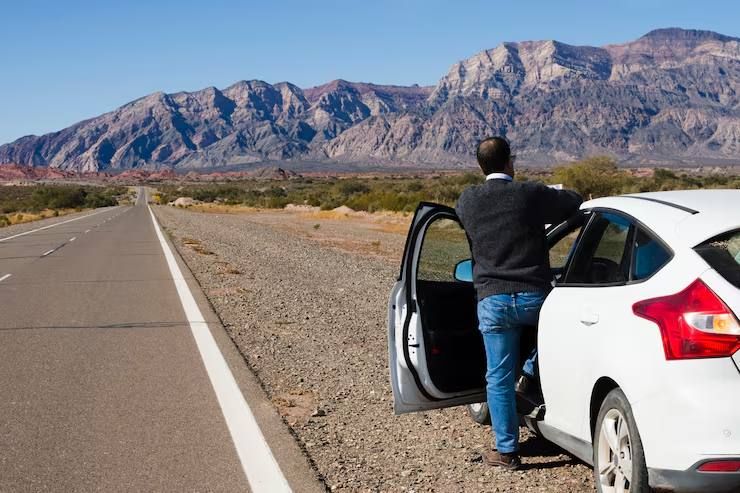
Understanding Self-Drive Road Trips
A self-drive road trip generally involves planning a route, checking the vehicle, estimating travel time, identifying rest stops, and preparing for unexpected delays. The trip may cover a short regional route or several states.
Common elements include:
- A valid driving licence and vehicle documents
- Route planning and navigation
- FASTag for applicable toll roads
- Fuel planning and vehicle checks
- Emergency contact information
- Accommodation and rest-stop planning
- Awareness of local traffic regulations
The experience can vary considerably depending on the road type. National highways and expressways may provide faster connections, while state highways and rural roads can involve slower traffic, construction zones, or changing road conditions.
Why Self-Drive Road Trips Matter
Self-drive travel is relevant to families, groups of friends, couples, solo travellers, and people travelling for leisure or personal reasons. It can also make multi-destination travel more flexible because travellers are not restricted to a single transport timetable.
A well-planned road trip can help drivers:
- Choose suitable departure and arrival times
- Include planned breaks during long journeys
- Adjust routes when road conditions change
- Explore destinations between major cities
- Prepare documents and vehicle requirements in advance
- Identify highway facilities and emergency contacts
Road safety remains particularly important. Long periods behind the wheel can contribute to fatigue, reduced concentration, and slower reactions. Drivers should take regular breaks and avoid driving when excessively tired.
Key Planning Factors
| Planning factor | What to check |
|---|---|
| Route | Highway type, distance, diversions and road conditions |
| Vehicle | Tyres, brakes, lights, fluids and battery |
| Documents | Driving licence, registration and required insurance documents |
| Tolling | FASTag status and applicable toll arrangements |
| Navigation | Route options, traffic and road closures |
| Weather | Rain, heat, fog or other seasonal conditions |
| Rest | Break locations and overnight stops |
| Emergency | Highway helpline and local emergency contacts |
For long journeys, it is useful to divide the route into manageable driving periods rather than focusing only on the final destination.
Recent Developments in India
Digital highway infrastructure has continued to evolve during 2025 and 2026. One important development was the launch of the FASTag Annual Pass on 15 August 2025 for eligible private cars, jeeps, and vans. The programme covers designated National Highway and National Expressway fee plazas for one year or 200 crossings, whichever comes first.
NHAI announced another change on 1 January 2026 concerning Know Your Vehicle (KYV) procedures. From 1 February 2026, routine KYV was discontinued for newly issued car, jeep, and van FASTags, with vehicle information instead being validated before activation. Existing car FASTags generally do not require routine KYV unless specific complaints or issues arise.
The FASTag Annual Pass fee was revised from ₹3,000 to ₹3,075 for the 2026–27 financial year, effective 1 April 2026. NHAI stated that the facility applies to eligible non-commercial vehicles at approximately 1,150 designated fee plazas.
Technology is also being tested to make highway tolling more continuous. In August 2025, NHAI announced an agreement for India's first comprehensive Multi-Lane Free Flow tolling system at Choryasi Fee Plaza on NH-48 in Gujarat. The system is designed around electronic toll collection through FASTag without conventional barriers at the toll point.
These developments show a broader movement toward digitally managed highway travel, although drivers should always check the latest applicable rules before beginning a journey.
Laws, Rules and Policies for Road Trips
Self-drive road trips in India are governed by the Motor Vehicles Act, Central Motor Vehicle Rules, state-level traffic rules, highway regulations, and toll policies. Requirements can vary depending on the road, vehicle category, and state.
A driver should carry or have access to relevant vehicle and driving documents. The Parivahan system provides information and online facilities related to driving licences and other transport-related processes.
Important areas to consider include:
- A valid driving licence appropriate for the vehicle category
- Valid vehicle registration
- Applicable motor insurance documentation
- Compliance with traffic signs and speed restrictions
- Seat-belt requirements
- Helmet requirements for applicable two-wheeler travel
- Rules concerning mobile-phone use while driving
- FASTag requirements on applicable toll roads
- State-specific restrictions and traffic regulations
Toll charges are governed through applicable national highway fee rules and notifications. NHAI's toll information system provides information about individual toll plazas, applicable rates, facilities, and related details.
Drivers should also check whether a particular route passes through an expressway, national highway, state highway, protected area, or another regulated zone because additional restrictions may apply.
Useful Tools and Resources
Several digital tools can make road-trip planning easier.
Highway route planner: A route planner can help compare alternative routes, estimate driving time, identify intermediate destinations, and review major highway connections.
Navigation applications: GPS-based navigation can provide turn-by-turn directions, traffic information, alternate routes, and location information. Drivers should set navigation before moving rather than operating a phone while driving.
Rajmargyatra: NHAI's Rajmargyatra platform provides highway-related information, route planning, toll information, highway assistance, and complaint-reporting facilities. Its highway assistance helpline is 1033.
Toll information tools: NHAI's National Highway Toll Information System can be used to check information about specific toll plazas and highway facilities.
Vehicle insurance resources: Drivers can review their motor insurance documentation and understand applicable coverage before a long journey.
Weather applications: Weather forecasts can help drivers prepare for heavy rain, fog, extreme heat, or other conditions that may affect visibility and road safety.
A Simple Road-Trip Planning Checklist
Before leaving, drivers can use the following checklist:
- Confirm the driving licence is valid.
- Check vehicle registration and insurance documents.
- Inspect tyres and tyre pressure.
- Check engine fluids and battery condition.
- Test headlights, indicators and brake lights.
- Confirm FASTag is active and correctly linked.
- Review the planned route.
- Check weather conditions.
- Identify suitable rest points.
- Keep emergency contact information available.
- Carry essential medicines and personal necessities.
- Avoid driving when tired or impaired.
For particularly long journeys, sharing the planned route and expected arrival time with a trusted person can also provide an additional safety measure.
Frequently Asked Questions
What is a self-drive road trip?
A self-drive road trip is a journey where the traveller drives the vehicle personally rather than depending on a driver or fixed group itinerary. The driver normally determines the route, timing, stops, and destinations.
What documents should be checked before a road trip in India?
Drivers should ensure that the driving licence, vehicle registration, applicable insurance documentation, and other required vehicle documents are valid. Requirements can vary by vehicle and jurisdiction, so official transport authorities should be consulted for specific circumstances.
Is FASTag required for highway travel?
FASTag is used for electronic toll collection on applicable National Highway toll plazas. Drivers should ensure that their FASTag is active and properly associated with the vehicle before travelling through toll facilities.
What is the FASTag Annual Pass?
The FASTag Annual Pass is an NHAI facility for eligible private cars, jeeps, and vans. It provides covered passage at designated National Highway and National Expressway fee plazas for one year or 200 crossings, whichever occurs first.
How can drivers make long road trips safer?
Drivers should maintain the vehicle, follow speed limits and traffic signs, avoid distracted driving, take regular breaks, monitor weather and road conditions, and stop driving when fatigue becomes significant.
Conclusion
Self-drive road trips combine personal flexibility with the responsibilities of driving and route planning. In India, improvements in highways, FASTag infrastructure, digital navigation, and highway information systems are changing how people prepare for long-distance journeys.
A successful road trip depends less on covering the maximum distance and more on sensible preparation. Checking the vehicle, documents, route, weather, toll arrangements, and rest opportunities can help reduce avoidable difficulties.
As highway technology continues to develop, travellers should rely on current information from official transport and highway authorities when planning journeys. Safe driving practices, attention to local rules, and adequate rest remain essential regardless of the route or distance.