Smart energy systems are integrated networks that use digital technologies, sensors, communication systems, and automated controls to manage how electricity and other energy resources are generated, distributed, stored, and consumed.
Smart energy systems are integrated networks that use digital technologies, sensors, communication systems, and automated controls to manage how electricity and other energy resources are generated, distributed, stored, and consumed. Their primary purpose is to improve energy efficiency, strengthen reliability, and support the integration of renewable energy sources.
Traditional energy systems often rely on centralized generation and established distribution networks, with limited real-time information about energy use at individual locations. Smart energy systems introduce more detailed monitoring and two-way communication, allowing utilities, businesses, and households to respond more effectively to changes in energy demand and supply.
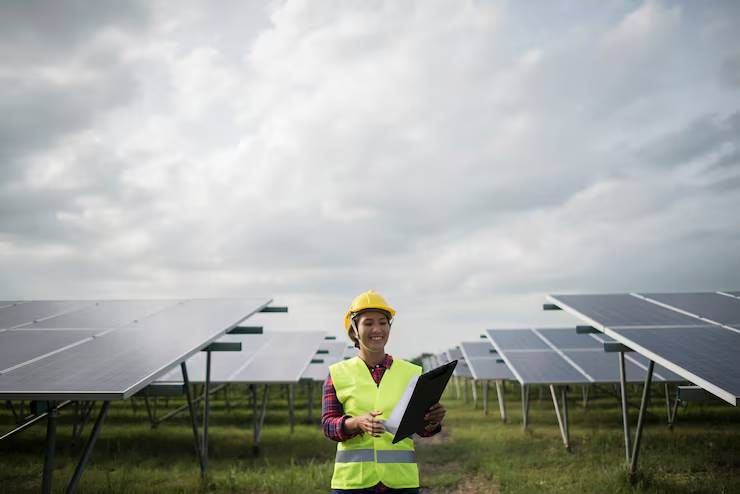
These systems can combine smart meters, smart grids, renewable energy installations, battery storage, building management systems, and artificial intelligence-based forecasting tools. For example, a smart building may adjust heating, cooling, and lighting according to occupancy and electricity demand. A utility may use grid sensors to identify faults, while a solar-powered facility may coordinate battery charging with expected electricity consumption.
Smart energy systems are becoming increasingly relevant as electricity demand grows, renewable energy expands, and communities seek more reliable and efficient energy infrastructure. Their effectiveness depends on suitable technology, reliable communication, cybersecurity, sound planning, and appropriate regulation.
Importance
Why Smart Energy Systems Matter
Energy demand changes throughout the day according to weather, industrial activity, transport, and household behavior. Managing these fluctuations is important because electricity networks must continuously balance supply and demand.
Smart energy systems provide more detailed information about consumption patterns and network conditions. This information can help energy providers identify inefficiencies, improve planning, and respond to changing conditions.
Key benefits include:
- Improved energy efficiency: Monitoring and automated controls can reduce unnecessary electricity use.
- Better grid reliability: Sensors and digital monitoring can help identify faults and support faster restoration.
- Renewable energy integration: Smart controls can coordinate solar, wind, storage, and conventional generation.
- Demand management: Consumers and utilities can shift certain activities away from periods of high electricity demand.
- Greater operational visibility: Smart meters and network monitoring provide more detailed information about energy consumption and distribution.
- Support for electrification: Intelligent charging and energy management can help accommodate electric vehicles, heat pumps, and other electricity-dependent technologies.
These benefits are not automatic. Results depend on equipment quality, installation, consumer participation, grid capacity, data accuracy, and the way the system is managed.
Main Components of Smart Energy Systems
Smart energy systems combine multiple technologies that perform different functions.
1. Smart Grids
A smart grid uses digital communication, sensors, monitoring devices, and automated controls to improve the operation of an electricity network. It can provide utilities with information about voltage, power flows, equipment conditions, and outages.
Compared with conventional networks, smart grids can support more responsive operation and improve coordination between energy generation and consumption. Their capabilities vary according to network design and the technologies installed.
2. Smart Meters
Smart meters record electricity consumption at regular intervals and communicate relevant data to utilities or authorized energy management systems. Depending on the model and local infrastructure, they may support remote readings, more detailed consumption information, and certain operational functions.
For households and businesses, smart meter data can reveal patterns of electricity use. This information can help identify periods of unusually high consumption and evaluate whether energy-saving measures are working.
3. Renewable Energy Integration
Solar photovoltaic panels and wind turbines produce electricity from renewable sources, but their output varies with sunlight and wind conditions. Smart energy systems help coordinate this variable generation with demand, grid conditions, and available storage.
For example, a building energy management system may prioritize the use of available solar electricity for suitable loads or battery charging. At a larger scale, grid operators may use forecasting tools to plan for changes in renewable generation.
4. Battery Energy Storage
Battery energy storage systems store electricity for later use. They can help manage differences between electricity generation and demand, provide backup functions in suitable configurations, and support certain grid services.
Battery management systems monitor parameters such as voltage, temperature, and state of charge. Proper system design also requires attention to thermal management, electrical protection, installation conditions, and fire safety.
5. Energy Management Systems
Energy management systems collect information from meters, sensors, equipment, and control devices. They use this information to monitor performance and coordinate energy use.
In industrial facilities, such systems may track electricity consumption across production lines. In commercial buildings, they may control heating, ventilation, air conditioning, lighting, and other equipment according to operating schedules and occupancy.
6. Electric Vehicle Charging Management
Electric vehicle charging can create additional electricity demand, especially when many vehicles charge simultaneously. Smart charging systems can schedule charging, adjust power levels, and coordinate charging with local generation or grid conditions.
Vehicle-to-grid technology may allow compatible electric vehicles to return electricity to the grid under appropriate technical and regulatory arrangements. This capability requires suitable vehicles, charging equipment, communication standards, and grid approval.
Role of Artificial Intelligence and Data Analytics
Artificial intelligence and data analytics can help smart energy systems process large volumes of operational information. Forecasting models may estimate future electricity demand, renewable energy output, or equipment performance.
Predictive maintenance tools can analyze sensor readings to identify patterns that may indicate equipment deterioration. This can help operators plan inspections before certain faults interrupt operations.
Automated optimization can also coordinate battery charging, heating and cooling schedules, or flexible industrial loads. However, AI-based systems depend on accurate data and appropriate validation. Poorly designed models can generate incorrect forecasts, overlook unusual conditions, or create new operational risks.
Human supervision, clear operating limits, cybersecurity controls, and fallback procedures remain important when automated decisions affect critical energy infrastructure.
Applications Across Different Sectors
Smart energy systems are used in several areas of the economy.
| Sector | Common application | Potential benefit |
|---|---|---|
| Residential buildings | Smart meters, connected thermostats, rooftop solar | Improved visibility and management of household electricity use |
| Commercial buildings | Automated lighting and HVAC controls | Reduced unnecessary energy consumption |
| Manufacturing | Equipment monitoring and load scheduling | Better energy performance and operational planning |
| Electricity utilities | Grid sensors and automated fault monitoring | Improved network visibility and outage response |
| Transport | Smart electric vehicle charging | Better coordination of charging demand |
| Agriculture | Intelligent irrigation pumping and solar monitoring | More controlled energy use for farm operations |
| Microgrids | Coordinated generation, storage, and local loads | Greater local energy management capability |
The design of each system depends on its purpose. A small home installation may require only a smart meter, solar monitoring, and a compatible energy controller, while an industrial microgrid may require sophisticated protection, forecasting, storage controls, and communications infrastructure.
Recent Updates
Grid Modernization and Renewable Energy Integration
During the 12 months preceding October 13, 2026, grid modernization, renewable energy integration, and energy storage remained important areas of development across the energy sector. However, specific deployment figures or policy changes during this period should be confirmed using current official reports rather than assumed.
As electricity systems incorporate more solar and wind generation, grid operators increasingly need better forecasting, flexible demand, storage, and improved transmission and distribution infrastructure. Digital monitoring can help operators understand network conditions and manage changing electricity flows.
Smart meters and advanced distribution management systems can also support more detailed monitoring and improved coordination. The scale of deployment varies significantly between countries and regions.
Smart Energy Development in India
India has continued to develop digital electricity infrastructure and renewable energy capacity through government programs and utility-led initiatives. The Revamped Distribution Sector Scheme (RDSS) includes measures intended to improve the operational and financial performance of electricity distribution companies, with smart metering forming an important part of the modernization approach.
The Smart Meter National Programme has also supported the development of advanced metering infrastructure. Implementation schedules, installation totals, and state-level progress can change over time, so current figures should be checked through official Ministry of Power and program updates.
India's broader energy transition also involves renewable electricity, transmission expansion, storage, and improved distribution networks. Smart energy technologies can support these developments, although deployment requires investment, skilled personnel, reliable communication networks, and effective consumer data protection.
Growth of Distributed Energy Resources
Distributed energy resources include rooftop solar panels, batteries, controllable electricity loads, and other smaller-scale energy technologies connected near the point of consumption. When coordinated through suitable controls, these resources can help manage local demand and contribute to wider grid operations.
Virtual power plants can coordinate multiple distributed resources so they operate as a managed group. Their capabilities depend on communications, aggregation software, grid rules, and the availability of participating equipment.
Laws or Policies
Energy Regulation in India
India's electricity sector is governed by the Electricity Act, 2003, alongside applicable rules, regulations, and orders issued by central and state authorities.
The Central Electricity Authority develops technical standards and guidance relevant to electricity systems, while the Central Electricity Regulatory Commission and state electricity regulatory commissions perform regulatory functions within their respective jurisdictions.
Smart meter deployment, consumer metering, electricity billing, and distribution modernization may be affected by applicable central rules, state regulations, utility requirements, and program guidelines. The precise requirements depend on the installation and its location.
Smart Metering and Consumer Protection
Smart meters collect detailed information about electricity consumption. This data can improve billing accuracy and support energy management, but it also raises questions about access, security, privacy, and appropriate use.
Utilities and technology providers should follow applicable data protection, cybersecurity, electricity metering, and consumer protection requirements. Consumers should understand how their data is collected, who may access it, and which functions are available through the installed meter.
India's Digital Personal Data Protection Act, 2023, is relevant to personal data processing within its applicable scope, together with any provisions and rules in force. Organizations should check the current legal position and applicable implementation requirements rather than assuming that every provision applies in the same way to all energy data.
Renewable Energy and Grid Connection
Renewable energy installations and energy storage systems must comply with applicable electrical safety standards, grid connection requirements, and local approval processes. Rooftop solar systems may also be subject to distribution utility procedures, technical requirements, and relevant government program conditions.
For systems that export electricity to the grid, the applicable arrangement may depend on the location, connection type, and local regulatory framework. Consumers and project developers should confirm current requirements with the relevant electricity distribution company and regulatory authority.
Tools and Resources
Ministry of Power, Government of India
The Ministry of Power publishes electricity-sector policies, program information, and updates concerning distribution modernization, smart metering, and energy infrastructure.
Bureau of Energy Efficiency (BEE)
BEE provides information about energy efficiency, energy management, building performance, and industrial energy conservation. Its resources can help organizations understand approaches to improving energy performance.
Central Electricity Authority (CEA)
CEA publishes technical standards, reports, and information relevant to electricity generation, transmission, distribution, and system planning.
Central Electricity Regulatory Commission (CERC)
CERC provides regulations and information relevant to its responsibilities within India's electricity sector, including applicable grid and market arrangements.
International Energy Agency (IEA)
IEA publications cover energy technology, electricity systems, renewable energy integration, energy efficiency, and global energy policy developments.
International Renewable Energy Agency (IRENA)
IRENA provides research and reports on renewable energy, grid flexibility, energy storage, and the transition toward lower-emission energy systems.
Energy Monitoring and Analytics Software
Energy monitoring platforms can combine meter readings, sensor information, and equipment data to display consumption patterns and identify unusual energy use. Selection should account for compatibility, data security, accuracy, and the needs of the facility.
FAQs
What is a smart energy system?
A smart energy system uses digital monitoring, communication technologies, and automated controls to manage energy generation, distribution, storage, and consumption more effectively.
How does a smart grid differ from a traditional electricity grid?
A smart grid uses additional sensors, communication systems, and automated controls to provide more information about network conditions. These capabilities can help utilities detect faults, coordinate distributed energy resources, and respond to changing demand.
What is the role of smart meters in energy management?
Smart meters record electricity consumption at regular intervals and communicate relevant readings to authorized systems. The information can help utilities manage distribution and allow consumers to understand their electricity usage patterns.
Can smart energy systems reduce electricity consumption?
They can help reduce unnecessary consumption through monitoring, automated controls, and improved scheduling. Actual results depend on the equipment installed, how it is operated, and whether the information leads to meaningful changes in energy use.
How does artificial intelligence support smart energy systems?
AI can support electricity demand forecasting, renewable generation estimates, equipment fault detection, and automated control. Its effectiveness depends on data quality, model validation, cybersecurity, and suitable human oversight.
What are the main challenges of smart energy systems?
Common challenges include installation and integration requirements, cybersecurity risks, data privacy, communication reliability, workforce skills, and the need to modernize existing electricity infrastructure. Costs and benefits also vary across locations and applications.
Conclusion
Smart energy systems combine digital technologies, smart grids, renewable generation, battery storage, and intelligent controls to improve the way energy is managed. They can support more efficient electricity use, better network visibility, and greater integration of distributed energy resources. In India, smart metering and distribution modernization are important parts of the wider electricity transition. Successful implementation requires suitable technology, effective regulation, cybersecurity, data protection, and skilled operation. As energy systems evolve, digital coordination will remain an important tool for improving reliability and managing increasingly complex electricity networks.