Spice grinding machines are equipment used to reduce dried spices such as chilli, turmeric, coriander, cumin, black pepper, cardamom, and other ingredients into powders or smaller particles.
They are used in food-processing operations where consistent particle size, controlled processing, and hygienic handling are important.
The basic purpose of grinding is to make spices easier to use, blend, package, and incorporate into food products. Depending on the spice and the desired powder characteristics, different grinding technologies may be used.
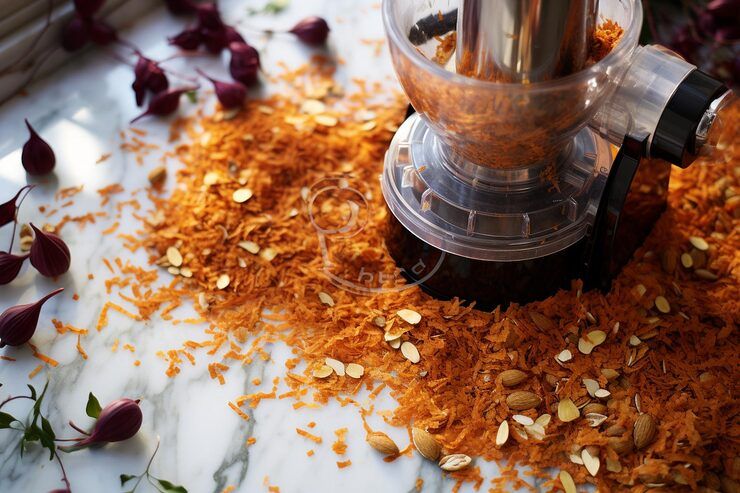
Common machine categories include hammer mills, pulverizers, pin mills, impact mills, disc mills, and other specialized grinding systems. Some processing lines also include cleaning, feeding, sieving, cooling, dust collection, and packaging stages.
Why Spice Grinding Machines Matter
Grinding influences the texture, appearance, aroma, and usability of powdered spices. A suitable process can help produce a more consistent particle size while reducing manual handling.
Spice processors, food manufacturers, restaurants, institutional kitchens, agricultural processing groups, and small food-processing enterprises may use different forms of grinding equipment according to their production requirements.
The main factors that influence machine selection include:
- Type and hardness of the spice
- Moisture content of the raw material
- Required particle size
- Processing capacity
- Heat generated during grinding
- Cleaning requirements
- Material used for product-contact components
- Dust-control requirements
- Electricity consumption
- Ease of maintenance
Heat management is particularly important for some spices. Excessive temperature during grinding can affect volatile oils and aroma compounds. For this reason, certain applications use controlled feeding, intermittent grinding, cooling arrangements, or specialized milling systems.
Main Types of Spice Grinding Machines
Different grinding mechanisms produce different results. The appropriate configuration depends on the material and required powder characteristics.
| Machine Type | General Principle | Common Applications |
|---|---|---|
| Hammer Mill | High-speed impact breaks material into smaller particles | Chilli, coriander, turmeric and other dry spices |
| Pulverizer | Uses impact and friction to reduce particle size | General spice powders |
| Pin Mill | Uses rotating pins for fine grinding | Fine spice powders and blends |
| Disc Mill | Material is processed between grinding surfaces | Coarser and medium grinding |
| Impact Mill | High-speed impact reduces particle size | Dry spices and food ingredients |
| Air-Classifying Mill | Grinding is combined with particle classification | Controlled fine powders |
The machine should be matched to the characteristics of the raw material rather than selected only according to nominal capacity. Spices vary considerably in hardness, oil content, moisture, and structure.
Processing Stages Around Grinding
Grinding is usually one part of a wider spice-processing sequence. A typical process can include:
- Raw-material inspection
- Cleaning and removal of foreign matter
- Drying or moisture control where necessary
- Size reduction
- Sieving or classification
- Temporary storage
- Blending when multiple spices are combined
- Packaging and labelling
Cleaning before grinding is especially important because foreign material can affect both product quality and machine operation. Magnets, sieves, aspiration systems, and other separation methods may be incorporated into processing lines where appropriate.
Factors That Affect Grinding Performance
Machine performance is influenced by several physical and operational factors. Raw materials with excessive moisture can behave differently from properly dried materials. Oil-rich spices may also require different grinding conditions from dry, brittle materials.
Particle size is another important consideration. A coarse spice powder and a very fine powder may require different screen sizes, grinding mechanisms, or operating conditions.
The condition of the grinding components also matters. Worn hammers, pins, screens, blades, or grinding surfaces can change particle-size distribution and reduce processing consistency.
Regular inspection can therefore help identify wear, vibration, overheating, unusual noise, or changes in output characteristics before they become larger operational problems.
Recent Developments in India
Food-safety monitoring of spices has received increased attention in India. In September 2025, the Food Safety and Standards Authority of India announced a nationwide enforcement drive for October 2025 covering selected whole and powdered spices, including chilli, coriander, cumin, turmeric, black pepper, cardamom, and cinnamon. The action followed pan-India surveillance conducted from November 2024 to February 2025, during which concerns involving quality parameters, contaminants, microbial counts, and labelling were identified.
This development highlights the importance of hygienic processing, appropriate raw-material control, and documented quality checks in spice-processing operations.
Technology is also moving toward greater process control. Automated feeding, particle-size classification, dust-management systems, stainless-steel product-contact surfaces, and monitoring systems are increasingly relevant where consistent processing and hygiene are priorities.
Government food-processing programs also continue to support formalization and modernization of small food-processing enterprises. The Ministry of Food Processing Industries reported that the PM Formalisation of Micro Food Processing Enterprises Scheme was extended through 2025–26. Its framework includes support for modernization, training, common infrastructure, and formalization of micro food-processing operations.
Indian Laws and Policies Affecting Spice Grinding
Spice grinding operations that fall within food processing are affected by India's food-safety framework. FSSAI regulations establish requirements relating to food standards, contaminants, hygiene, licensing or registration, packaging, and labelling.
FSSAI's published spice guidance covers activities ranging from handling and drying through grinding, blending, storage, packaging, and transportation. It also emphasizes good manufacturing practices and good hygiene practices throughout the processing chain.
For powdered spices, the applicable product standard is important because requirements can vary by spice. Parameters may include moisture, ash, contaminants, microbiological requirements, and other product-specific characteristics.
Recent regulatory activity also demonstrates that the framework continues to evolve. In March 2026, FSSAI notified an amendment to the Food Safety and Standards (Licensing and Registration of Food Businesses) Regulations. In May 2026, it notified amendments concerning contaminants, toxins, residues, metal contaminants, naturally occurring toxic substances, and antibiotic residues.
Operators should therefore refer to the latest FSSAI notifications and applicable regulations rather than relying only on older technical documents.
Useful Tools and Resources
Several official resources can help people researching or operating spice-processing equipment:
- FSSAI Food Product Standards: Useful for checking standards applicable to specific spices and powdered products.
- FSSAI Food Laws and Notifications: Helps track regulatory amendments and new notifications.
- FSSAI Spice Guidance Document: Provides guidance covering hygiene, processing, grinding, storage, and related controls.
- Spices Board of India: Provides information related to spice quality, testing, exports, and technical matters.
- Spices Board Quality Evaluation Laboratories: Useful for understanding analytical testing facilities and laboratory capabilities.
- Ministry of Food Processing Industries: Provides information on food-processing programs, infrastructure, training, and policy initiatives.
- PMFME resources: Relevant to eligible micro food-processing enterprises and their formalization and capacity-building framework.
A practical equipment-selection worksheet can also compare raw-material type, moisture, target particle size, throughput requirement, grinding temperature, product-contact material, cleaning method, power requirement, and dust-control arrangements.
Frequently Asked Questions
What is a spice grinding machine?
A spice grinding machine is equipment designed to reduce dried spices into smaller particles or powders. Different machine designs are used depending on the spice characteristics and required particle size.
Which spices can be processed using grinding machines?
Many dry spices can be processed, including chilli, turmeric, coriander, cumin, black pepper, cardamom, cinnamon, and other dried ingredients. The appropriate grinding mechanism depends on the physical properties of each material.
Why is temperature control important during spice grinding?
Grinding generates mechanical heat. Excessive heat can affect volatile oils, aroma, colour, and other characteristics of certain spices. Processing conditions should therefore be selected according to the raw material and desired product quality.
What should be considered when selecting an industrial spice grinder?
Important considerations include the type of spice, moisture level, desired particle size, processing capacity, product-contact materials, cleaning requirements, energy consumption, dust control, and maintenance requirements.
Do spice-processing operations need to follow FSSAI requirements in India?
Food businesses involved in applicable spice-processing activities must follow relevant food-safety requirements. These can include licensing or registration, hygiene, product standards, contaminants, packaging, and labelling requirements, depending on the activity and product.
Conclusion
Spice grinding machines are an important part of modern spice processing because they provide controlled size reduction and can be integrated with cleaning, sieving, blending, dust control, and other processing stages.
The choice of equipment depends on the characteristics of the spice and the required powder specifications. Factors such as moisture, hardness, oil content, particle size, temperature, hygiene, and maintenance all influence processing performance.
In India, food-safety requirements remain an important consideration. Recent enforcement activity and regulatory amendments show the continuing focus on spice quality, contaminants, laboratory testing, hygiene, and compliance. For that reason, equipment decisions should be considered alongside raw-material controls, sanitation procedures, testing practices, and applicable FSSAI requirements.