Summer beach getaways are short or extended trips to coastal destinations during the warmer months.
They can include activities such as swimming, sightseeing, walking along the coast, water-based recreation, photography, nature observation, and relaxation.
India is particularly suited to coastal travel because it has a long shoreline extending along the Arabian Sea, Bay of Bengal, and Indian Ocean. Popular coastal destinations include Goa, Kerala, Tamil Nadu, Odisha, Gujarat, Karnataka, Maharashtra, Andhra Pradesh, and the Andaman and Nicobar Islands. The official Incredible India tourism portal lists beaches and coastal itineraries across many of these regions.
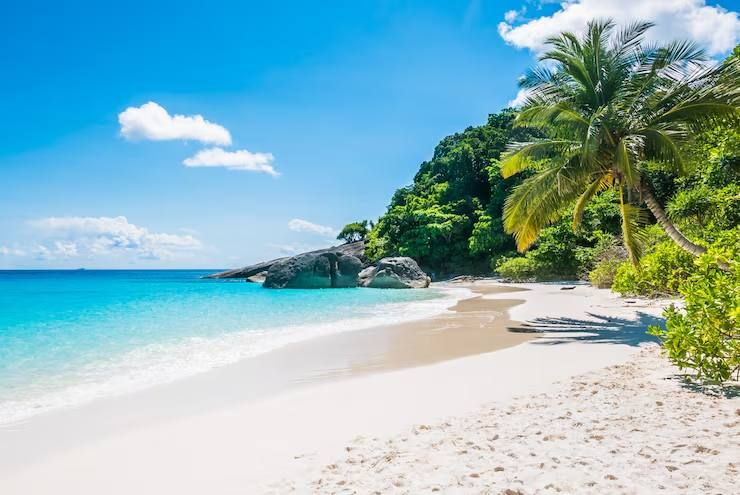
A suitable summer destination depends on several factors, including weather, travel distance, beach conditions, local activities, crowd levels, and environmental conditions. Travelers should also distinguish between beaches that are suitable for swimming and those primarily intended for sightseeing.
Why Summer Beach Travel Matters
Beach travel provides an opportunity to spend time outdoors while exploring coastal environments and nearby cultural attractions. It can also support local tourism economies, including transportation, accommodation, food, recreation, and heritage activities.
For travelers, planning is important because coastal conditions can change quickly. Strong winds, high waves, extreme heat, tides, storms, and seasonal weather patterns can affect outdoor activities.
A well-planned beach trip can help travelers:
- Select destinations appropriate for the season.
- Check weather and marine conditions before departure.
- Identify beaches with recognized environmental or safety standards.
- Plan activities around daylight and local conditions.
- Reduce unnecessary environmental impact.
- Combine beaches with nearby cultural, historical, or nature attractions.
Different destinations also provide different experiences. Goa is known for its broad range of beaches and coastal activities, while Kerala combines beaches with backwaters and cultural attractions. Gujarat provides destinations such as Shivrajpur, while Odisha and Tamil Nadu offer beaches alongside important cultural and heritage sites.
Choosing a Summer Beach Destination
There is no single beach destination that is suitable for every traveler. The choice should depend on the purpose of the trip and the conditions expected during the visit.
| Travel preference | Destinations to consider | Planning consideration |
|---|---|---|
| Coastal sightseeing | Goa, Gujarat, Odisha | Check heat and local conditions |
| Nature and marine environments | Andaman and Nicobar Islands, Lakshadweep | Check access and local rules |
| Culture and heritage | Odisha, Tamil Nadu, Kerala | Combine beaches with nearby attractions |
| Short coastal break | Goa, Maharashtra, Gujarat | Consider travel distance |
| Quiet surroundings | Selected beaches in Karnataka, Kerala and Odisha | Check seasonal crowd levels |
The official tourism portal provides destination information, itineraries, weather information, emergency resources, and travel-planning material that can help with preliminary research.
Recent Developments in Indian Beach Tourism
India's focus on sustainable and environmentally responsible coastal tourism has continued to develop during 2025 and 2026.
One notable change is the expansion of the Blue Flag beach programme. For the 2025–26 season, 18 Indian beaches across seven coastal States and four Union Territories had received Blue Flag certification. This compares with 13 beaches certified for the 2024–25 season.
Blue Flag certification covers criteria related to environmental management, water quality, safety, cleanliness, and sustainable tourism practices. It is therefore one useful indicator when researching beaches with structured environmental-management standards.
Coastal conservation has also received continuing government attention. In 2025, the National Coastal Mission was extended for 2025–31 with an allocation of ₹767 crore, with a focus on coastal ecosystem conservation and climate resilience.
These developments show that modern beach tourism is increasingly connected with environmental management rather than focusing only on recreation.
Laws and Policies Affecting Beach Travel
Beach travel in India is influenced by national environmental rules as well as regulations established by individual States and Union Territories.
The Coastal Regulation Zone (CRZ) Notification, 2019 provides a framework for regulating development and activities in designated coastal areas. It was issued on January 18, 2019, under India's environmental regulatory framework. Coastal Zone Management Plans are used to identify and manage regulated coastal areas.
For travelers, the practical implication is that certain coastal areas may have restrictions on construction, access, commercial activities, or environmentally sensitive activities. Local authorities can also establish beach-specific rules.
Island destinations have additional considerations. The Andaman and Nicobar Islands and Lakshadweep are subject to island-specific coastal regulations, including the Island Coastal Regulation Zone framework.
Environmental protection can also affect activities around marine wildlife. India's marine turtle conservation framework, for example, focuses on protecting nesting beaches and reducing threats to marine turtles.
Travelers should therefore follow signs, designated swimming areas, wildlife instructions, waste-management rules, and directions from local authorities or lifeguards.
Safety and Responsible Beach Practices
Summer temperatures can be high, particularly in coastal areas. Travelers should plan outdoor activities around comfortable periods of the day and monitor official weather information.
Basic precautions include:
- Check weather forecasts before leaving.
- Follow lifeguard and local authority instructions.
- Avoid entering the sea when swimming is prohibited.
- Be cautious around strong currents and high waves.
- Carry drinking water and protect yourself from prolonged sun exposure.
- Keep children within close supervision near the water.
- Avoid restricted or environmentally sensitive areas.
- Dispose of waste in designated locations.
- Avoid disturbing marine animals, nesting areas, plants, or coastal habitats.
The Ministry of Tourism states that tourist safety is primarily a State subject, while the central government supports safety measures and has encouraged States and Union Territories to establish dedicated tourist police. A multilingual 24-hour Tourist Helpline is also available at 1800-11-1363 or 1363.
Useful Tools and Resources for Planning
Several official resources can make summer beach travel research easier.
- Incredible India: The Ministry of Tourism's official portal provides information on beaches, destinations, itineraries, practical travel information, emergency numbers, and tourism resources.
- India Meteorological Department: IMD provides weather observations, forecasts, warnings, and access to its official Mausam services.
- State and UT tourism websites: These can provide local information about beaches, attractions, access requirements, and regional travel conditions.
- Local authority notices: Beach closures, swimming restrictions, environmental instructions, and temporary safety measures should be checked before visiting.
- Maps and navigation applications: These can help compare travel routes, nearby attractions, distances, and locations.
- Weather and tide information: These are particularly important when planning swimming, boating, snorkeling, or other activities affected by marine conditions.
Frequently Asked Questions
What are the best summer beach destinations in India?
There is no single best destination for everyone. Goa, Kerala, Gujarat, Karnataka, Odisha, Tamil Nadu, Andaman and Nicobar Islands, and Lakshadweep all provide different coastal experiences. Weather, accessibility, activities, and local conditions should be considered before choosing a destination.
Are all Indian beaches suitable for swimming?
No. Some beaches may have strong currents, rocky sections, pollution concerns, high waves, or other hazards. Travelers should swim only in permitted areas and follow local safety instructions.
What is a Blue Flag beach?
Blue Flag is an international environmental certification associated with standards covering areas such as water quality, environmental management, safety, cleanliness, and sustainable tourism. India had 18 certified beaches for the 2025–26 season.
What should travelers check before a summer beach trip?
Travelers should check weather forecasts, local beach conditions, access information, safety notices, environmental restrictions, transportation arrangements, and any requirements applicable to islands or protected areas.
How can travelers reduce their environmental impact?
Simple actions include avoiding single-use litter, using designated waste facilities, respecting wildlife, staying within permitted areas, avoiding damage to coastal vegetation, and following local environmental instructions.
Conclusion
Summer beach getaways can provide opportunities for recreation, nature observation, cultural exploration, and relaxation. India's extensive coastline offers a wide range of destinations, from well-known tourist centers to quieter coastal areas.
However, a successful beach trip requires more than choosing a scenic location. Weather, marine conditions, safety information, environmental regulations, and local restrictions should all be considered before departure.
Recent developments, including the increase to 18 Blue Flag beaches during the 2025–26 season and continued investment in coastal resilience, show the growing connection between tourism and responsible coastal management.