Sensitive teeth can make everyday activities such as drinking cold water, enjoying hot coffee, or eating sweet foods uncomfortable. When tooth discoloration becomes a concern, many people hesitate to try whitening treatments because they worry about increasing that sensitivity. Choosing whitening methods carefully can help improve tooth appearance while reducing unnecessary discomfort.
Interest in cosmetic dental care has grown steadily as more people look for ways to maintain a brighter smile. At the same time, dental professionals increasingly recognize that whitening treatments should be selected according to an individual's oral health rather than using the strongest available product. For people with sensitive teeth, a thoughtful approach often produces better long-term results than aggressive whitening.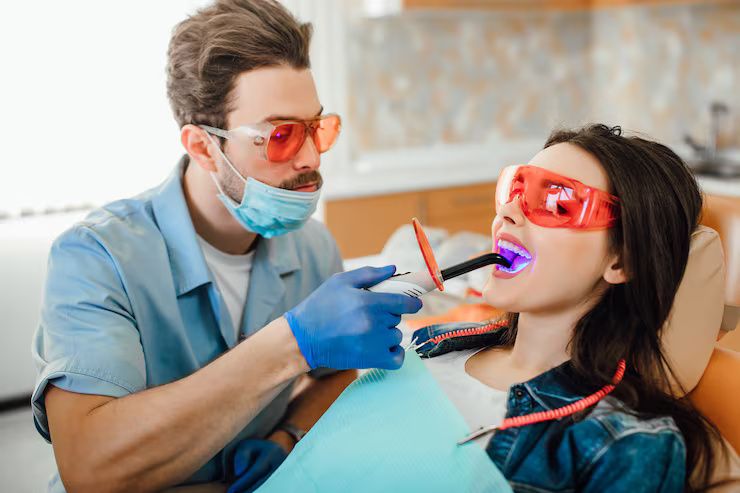
Understanding how whitening products work, why sensitivity develops, and which options are generally considered gentler makes it easier to select an approach that balances appearance with oral comfort. Knowing when professional advice is appropriate is equally important for achieving safe and satisfying results.
Why Teeth Become Sensitive During Whitening
Most whitening treatments rely on peroxide-based ingredients that penetrate tooth enamel to break apart stain molecules. While this process can brighten the tooth surface, it may also temporarily expose microscopic pathways leading toward the inner layer of the tooth.
When these pathways become more active, hot, cold, sweet, or acidic foods may trigger short episodes of discomfort. The degree of sensitivity varies from person to person depending on enamel thickness, existing dental conditions, gum health, and the concentration of whitening ingredients.
Sensitivity is usually temporary, but individuals who already experience tooth discomfort may notice stronger reactions if whitening treatments are not chosen carefully.
Understanding the Source of Tooth Discoloration
Not every type of discoloration responds equally to whitening products. Identifying the cause of staining helps determine whether whitening is likely to be effective.
Surface stains often develop from:
- Coffee and tea consumption
- Tobacco use
- Red wine
- Dark-colored foods
- Natural aging
Deeper discoloration may result from medication use, dental trauma, excessive fluoride exposure during tooth development, or changes within the tooth itself. These situations sometimes require professional evaluation before whitening is considered.
Understanding the origin of discoloration helps set realistic expectations while avoiding unnecessary treatments.
Features That Make Whitening Products More Suitable for Sensitive Teeth
People with tooth sensitivity often benefit from products designed specifically to minimize irritation rather than maximize whitening speed.
Several characteristics can contribute to a gentler whitening experience:
| Feature | Why It Matters |
|---|---|
| Lower peroxide concentration | Reduces the likelihood of temporary sensitivity. |
| Shorter application times | Limits prolonged exposure to whitening agents. |
| Gradual whitening formulas | Brightens teeth over multiple applications with less irritation. |
| Desensitizing ingredients | Help reduce nerve response during treatment. |
| Flexible treatment schedules | Allow recovery time between applications if needed. |
These features generally prioritize comfort while still allowing gradual improvement in tooth color.
Professional Whitening Compared With Home Treatments
Professional whitening and home-based products each have advantages, particularly for individuals with sensitive teeth.
Dental professionals can evaluate existing sensitivity, examine enamel health, identify cavities or gum problems, and recommend appropriate whitening methods. Customized treatment plans may reduce unnecessary discomfort because application time, whitening strength, and protective measures can be adjusted for each individual.
Home whitening products offer convenience and flexibility, but users should carefully follow manufacturer instructions. Applying products more frequently or leaving them on longer than recommended rarely improves results and may increase tooth sensitivity.
Selecting the appropriate approach depends on individual oral health rather than convenience alone.
Preparing Teeth Before Whitening
Proper preparation often improves comfort throughout the whitening process.
Maintaining healthy gums and clean teeth allows whitening products to contact enamel more evenly while reducing the risk of irritation caused by existing dental problems.
Many dental professionals recommend using toothpaste formulated for sensitive teeth for several weeks before beginning whitening treatment. These products often contain ingredients that help reduce sensitivity by calming nerve responses or strengthening enamel.
Regular brushing, flossing, and professional dental cleanings also create a healthier foundation for cosmetic whitening procedures.
Habits That Help Reduce Sensitivity
Small adjustments during treatment can significantly improve comfort.
Spacing whitening sessions farther apart gives teeth additional time to recover between applications. Some individuals also find it helpful to temporarily reduce consumption of very cold, very hot, or highly acidic foods while whitening is underway.
Staying well hydrated and maintaining good oral hygiene support overall dental health throughout the process.
Avoiding the temptation to accelerate whitening by increasing treatment frequency is equally important. Gradual improvement often produces more comfortable and longer-lasting results.
Recognizing When Whitening Should Be Delayed
Whitening is not appropriate in every situation.
Individuals experiencing persistent tooth pain, untreated cavities, cracked teeth, exposed roots, gum disease, or damaged dental restorations should address these concerns before beginning cosmetic whitening.
Pregnancy, certain medical conditions, and recent dental procedures may also warrant postponing whitening until a dental professional confirms it is appropriate.
Addressing underlying oral health issues first not only improves safety but also helps whitening treatments produce more consistent results.
Maintaining Results Without Increasing Sensitivity
Whitening is only one part of maintaining a brighter smile. Daily habits often have a greater influence on long-term appearance than repeated whitening sessions.
Limiting exposure to strongly staining beverages, rinsing with water after consuming dark-colored foods, and maintaining regular brushing and flossing can help preserve whitening results.
Routine dental examinations also allow early identification of enamel wear, gum changes, or other conditions that could contribute to sensitivity over time.
Rather than whitening repeatedly, maintaining healthy oral habits usually supports both comfort and appearance.
Frequently Asked Questions
Can people with sensitive teeth whiten their teeth safely?
Many individuals with sensitive teeth can use whitening treatments successfully when appropriate products are selected and existing dental problems have been addressed beforehand.
Does stronger whitening produce better results?
Higher-strength whitening products may work faster but are more likely to increase temporary sensitivity. Gradual whitening often provides a better balance between comfort and cosmetic improvement.
Should whitening stop if sensitivity develops?
Temporary sensitivity is relatively common. However, severe or persistent pain should prompt discontinuation of treatment and evaluation by a dental professional before continuing.
Can sensitive toothpaste be used during whitening?
Yes. Toothpaste formulated for sensitive teeth is commonly recommended before, during, and after whitening because it may help reduce temporary discomfort.
Conclusion
Teeth whitening for sensitive teeth requires balancing cosmetic goals with long-term oral comfort. Understanding the causes of sensitivity, selecting gentler whitening options, preparing teeth properly, and following recommended treatment schedules can reduce unnecessary discomfort while improving tooth appearance. A gradual, well-informed approach supported by healthy daily habits often provides the safest path toward achieving a brighter smile without compromising dental health.