Thermal Energy Storage (TES) systems are technologies that store thermal energy for later use. Instead of producing and consuming heat or cooling at the same time, a thermal energy storage system captures energy during one period and releases it when required.
TES can store energy as sensible heat, latent heat, or thermochemical energy. Depending on the technology, storage media can include water, molten salts, rocks, concrete, phase-change materials, oils, and specialized chemical materials.
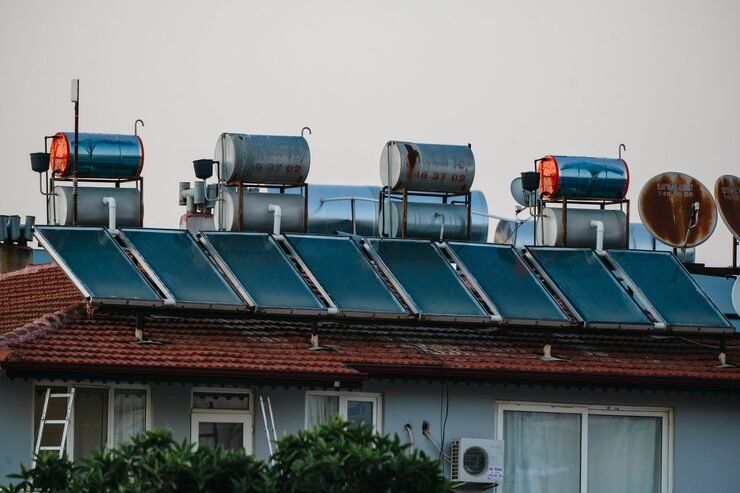
Thermal energy storage is used in district cooling, concentrated solar power, industrial processes, HVAC systems, food processing, power generation, and renewable-energy integration.
What Are Thermal Energy Storage Systems?
A thermal energy storage system is an engineered system that stores heat or cooling energy and releases it according to operational requirements.
The system generally consists of:
Thermal storage medium
Storage tank or containment structure
Heat exchangers
Pumps or circulation equipment
Insulation
Sensors
Valves
Control systems
Charging equipment
Discharging equipment
The exact configuration depends on the required temperature range, storage duration, thermal capacity, operating pressure, and application.
For example, a chilled-water storage system can produce chilled water during periods of lower cooling demand and use that stored cooling capacity later when demand increases.
How Thermal Energy Storage Works
Most TES systems operate through three basic stages:
Charging: Thermal energy is transferred into the storage medium.
Storage: Energy remains stored for a defined period.
Discharging: Stored thermal energy is transferred back to the process or end-use system.
The energy can be stored as heat, cooling, or a combination of thermal states depending on the system architecture.
A control system regulates charging and discharging according to temperature, energy demand, operating schedules, and equipment conditions.
Major Thermal Energy Storage Technologies
Thermal storage technologies are generally divided into three major categories.
Sensible Heat Storage
Sensible heat storage stores energy by changing the temperature of a material without changing its physical phase.
Common storage media include:
Water
Molten salts
Rocks
Concrete
Sand
Thermal oils
Water is widely used for low-temperature thermal storage because of its thermal characteristics and availability.
Latent Heat Storage
Latent heat storage uses a material's phase change to store and release thermal energy.
Phase-change materials can absorb substantial amounts of energy while changing from solid to liquid or liquid to solid.
Examples include:
Paraffin-based materials
Salt hydrates
Fatty acids
Eutectic materials
Latent heat storage can provide high energy density within relatively controlled temperature ranges.
Thermochemical Energy Storage
Thermochemical storage uses reversible chemical reactions to store thermal energy.
During charging, thermal energy drives a chemical reaction. During discharge, the reverse reaction releases energy.
This technology can potentially support longer-duration thermal storage applications.
Types of Thermal Energy Storage Systems
| TES Type | Storage Principle | Common Applications |
|---|---|---|
| Chilled-Water Storage | Sensible cooling | District cooling, HVAC |
| Hot-Water Storage | Sensible heat | Heating systems |
| Molten Salt Storage | Sensible heat | Solar thermal power |
| Phase-Change Storage | Latent heat | Buildings, HVAC, industrial systems |
| Ice Storage | Phase change | Commercial cooling |
| Concrete Thermal Storage | Sensible heat | Industrial and energy systems |
| Rock Bed Storage | Sensible heat | High-temperature applications |
| Thermochemical Storage | Chemical reactions | Long-duration thermal storage |
| Thermal Oil Storage | Sensible heat | Industrial and solar applications |
Chilled-Water Thermal Energy Storage
Chilled-water storage systems store cooling capacity in large insulated tanks.
During periods of lower cooling demand, chillers produce cold water that is stored for later use.
During periods of high cooling demand, the stored chilled water is circulated through the cooling system.
Applications include:
District cooling
Commercial buildings
Hospitals
Data centers
Universities
Industrial facilities
Ice Thermal Energy Storage
Ice storage uses the phase change between water and ice to store cooling energy.
A refrigeration system freezes water during a charging period. When cooling is required, the ice melts and absorbs heat from the circulating system.
Ice storage can be integrated with commercial HVAC systems and district cooling infrastructure.
Molten Salt Thermal Energy Storage
Molten salt is widely associated with concentrated solar power systems.
Solar thermal energy can heat molten salt to elevated temperatures. The hot salt can then be stored and later used to generate steam for electricity production.
A common configuration uses separate hot and cold storage tanks.
The major components can include:
Hot salt tank
Cold salt tank
Heat exchangers
Pumps
Piping
Valves
Insulation
Instrumentation
Control systems
Phase-Change Thermal Energy Storage
Phase-change thermal storage systems use materials that absorb or release energy during a phase transition.
The most common transition is solid-to-liquid and liquid-to-solid.
During charging:
Solid → Liquid
During discharging:
Liquid → Solid
Because much of the energy is stored as latent heat, the temperature can remain relatively stable during the phase transition.
Thermal Storage System Components
Storage Tanks
Tanks contain the thermal storage medium and are designed according to temperature, pressure, volume, material compatibility, and operating conditions.
Heat Exchangers
Heat exchangers transfer thermal energy between the storage medium and the connected process.
Pumps
Pumps circulate liquid storage media through piping and heat-transfer equipment.
Piping
Piping transports thermal fluids between storage tanks, heat exchangers, and end-use systems.
Valves
Valves control thermal-fluid flow and isolate different sections of the system.
Insulation
Insulation reduces thermal losses from storage vessels and piping.
Sensors
Temperature, pressure, flow, and level sensors provide operating information to the control system.
Control Systems
PLC-based and digital control systems coordinate charging, storage, and discharging operations.
Thermal Energy Storage Manufacturing Process
Manufacturing TES equipment involves thermal engineering, material selection, fabrication, insulation, component integration, instrumentation, and testing.
1. System Engineering
Engineers establish:
Required thermal capacity
Operating temperature
Storage duration
Charging conditions
Discharging conditions
Flow requirements
Storage medium
Pressure requirements
Environmental conditions
2. Storage Vessel Design
The storage vessel is designed according to volume, temperature, pressure, thermal expansion, material compatibility, and structural requirements.
3. Material Preparation
Steel, stainless steel, concrete, specialized alloys, or other materials are prepared for the selected storage technology.
4. Fabrication
Depending on the system, fabrication can include:
Cutting
Forming
Welding
Machining
Surface treatment
Assembly
5. Heat Exchanger Manufacturing
Heat exchangers are fabricated according to required heat-transfer capacity, fluid characteristics, temperature, and pressure.
6. Insulation Installation
Thermal insulation is applied to tanks, piping, valves, and other components where heat-loss reduction is required.
7. Component Integration
Pumps, valves, sensors, control panels, heat exchangers, and other components are integrated into the system.
8. Testing
Testing may include:
Pressure testing
Leak testing
Thermal performance testing
Insulation inspection
Flow testing
Instrumentation testing
Control-system testing
Safety-system testing
Materials Used in Thermal Energy Storage Systems
| Material | Typical Application |
|---|---|
| Carbon Steel | Storage tanks and structural components |
| Stainless Steel | Corrosive or specialized thermal environments |
| Concrete | High-volume thermal storage |
| Water | Sensible heat and cooling storage |
| Molten Salt | High-temperature thermal storage |
| Thermal Oil | High-temperature heat transfer |
| Rocks | Sensible heat storage |
| Phase-Change Materials | Latent heat storage |
| Insulation Materials | Thermal-loss reduction |
| Specialized Alloys | High-temperature systems |
Material selection depends on operating temperature, chemical compatibility, corrosion conditions, pressure, thermal cycling, and structural requirements.
Factors Affecting TES Performance
Storage Temperature
The temperature range determines the appropriate storage medium and system components.
Energy Density
Energy density determines how much thermal energy can be stored within a particular volume.
Thermal Losses
Insulation quality and storage duration influence the amount of energy retained.
Charging and Discharging Rate
The heat-transfer equipment determines how quickly the system can store and release thermal energy.
Storage Duration
TES systems can be designed for short-duration, daily-cycle, or longer-duration applications.
Thermal Cycling
Repeated heating and cooling can affect storage materials, tanks, seals, insulation, and heat exchangers.
Material Compatibility
The storage medium must be compatible with tanks, pipes, pumps, seals, and heat-transfer surfaces.
Thermal Energy Storage for Renewable Energy
TES can help separate renewable energy production from the timing of energy demand.
Concentrated solar power systems can collect solar thermal energy during daylight hours and store it for later electricity generation.
TES can also support renewable-powered heating and cooling systems by storing thermal energy during periods of high renewable electricity availability.
This can help coordinate thermal loads with variable energy generation.
Industrial Applications of Thermal Energy Storage
District Heating and Cooling
Thermal storage can balance heating or cooling production with customer demand.
HVAC Systems
Buildings can store chilled or heated water to shift cooling and heating loads.
Concentrated Solar Power
Molten salt systems can store solar thermal energy for later power generation.
Industrial Process Heat
TES can store heat generated during one production period and release it during another.
Food Processing
Thermal storage can support heating, refrigeration, chilling, and process-temperature control.
Pharmaceutical Manufacturing
Temperature-controlled systems can use thermal storage to support HVAC and process requirements.
Data Centers
Thermal storage can support chilled-water systems and cooling infrastructure.
Chemical Processing
Thermal storage can help manage process heating and cooling requirements.
Power Generation
TES can support steam generation, turbine systems, auxiliary heating, and renewable-energy integration.
Thermal Energy Storage and Energy Management
TES can be integrated with broader energy-management systems.
A digital control platform can monitor:
Storage temperature
Energy capacity
Charging rate
Discharging rate
Flow rate
Tank level
Heat-transfer conditions
Equipment status
The control system can determine when to charge or discharge the storage system based on process demand and operating schedules.
Thermal Energy Storage vs Battery Energy Storage
| Feature | Thermal Energy Storage | Battery Energy Storage |
|---|---|---|
| Stored Form | Heat or cooling | Electrical energy |
| Storage Medium | Water, salts, PCM, rocks, etc. | Electrochemical cells |
| Main Output | Thermal energy | Electricity |
| Common Uses | HVAC, process heat, solar thermal | Grid storage, backup power |
| Energy Conversion | Thermal transfer | Electrical conversion |
| Typical Applications | Heating, cooling, industrial heat | Electrical load management |
TES and battery storage can also be used together within integrated energy systems.
Advantages and Considerations of Thermal Energy Storage
Thermal storage systems can provide several operational benefits.
Potential Advantages
Shifting heating and cooling demand
Integration with renewable thermal energy
Reduced peak thermal loads
Greater flexibility in energy management
Thermal energy availability during selected periods
Support for district energy systems
Important Considerations
Storage volume
Thermal losses
Initial system complexity
Operating temperature
Storage-medium compatibility
Maintenance requirements
Site availability
Heat exchanger capacity
Insulation performance
Global Thermal Energy Storage Manufacturers and Suppliers
The global thermal energy storage market includes specialized energy-storage companies, HVAC technology providers, industrial equipment manufacturers, and thermal-system developers.
Examples include:
Rondo Energy
Malta Inc.
Brenmiller Energy
Nostromo Energy
CALMAC
DN Tanks
Abengoa
Industrial suppliers and system integrators may provide storage tanks, thermal media, heat exchangers, pumps, controls, insulation, and complete TES system configurations.
How to Select a Thermal Energy Storage System
Selection depends on the application's thermal requirements.
Important factors include:
Required storage capacity
Charging temperature
Discharging temperature
Storage duration
Thermal storage medium
Heat-transfer requirements
Tank or vessel volume
Environmental conditions
Thermal-loss requirements
Charging and discharging rates
Automation requirements
Maintenance requirements
Available installation area
Expansion requirements
Applicable standards and regulations
The storage technology should be matched to the temperature range and thermal-demand profile of the application.
Maintenance of Thermal Energy Storage Systems
Maintenance requirements depend on the storage technology and system configuration.
Common activities include:
Tank inspection
Piping inspection
Pump maintenance
Valve inspection
Heat exchanger inspection
Insulation inspection
Temperature sensor verification
Pressure monitoring
Leak detection
Corrosion inspection
Control-system testing
Thermal storage systems operating at high temperatures or pressures may require specialized inspection and safety procedures.
Future Trends in Thermal Energy Storage
High-Temperature Thermal Storage
New materials and system designs are supporting higher-temperature energy storage for industrial heat applications.
Advanced Phase-Change Materials
Research continues into phase-change materials with improved thermal stability, energy density, and cycling characteristics.
Thermochemical Storage
Thermochemical technologies may provide opportunities for longer-duration thermal energy storage.
Electrified Industrial Heat
TES can store heat produced by electric heating systems and release it when industrial processes require thermal energy.
Digital Thermal Management
Sensors, automation, predictive analytics, and energy-management software can improve system monitoring and operation.
Integration With Renewable Energy
TES can increasingly be integrated with solar thermal, renewable electricity, heat pumps, and industrial electrification systems.
Frequently Asked Questions
What is a Thermal Energy Storage system?
A Thermal Energy Storage system stores heat or cooling energy for later use. The energy can be stored as sensible heat, latent heat, or thermochemical energy.
What are the main types of thermal energy storage?
The main categories are sensible heat storage, latent heat storage, and thermochemical storage. Water, molten salts, rocks, concrete, thermal oils, and phase-change materials are examples of storage media.
What is molten salt thermal energy storage?
Molten salt thermal energy storage uses heated salt mixtures to store thermal energy, particularly in concentrated solar power systems.
What is phase-change thermal storage?
Phase-change thermal storage uses materials that absorb or release energy during a phase transition, such as solid-to-liquid or liquid-to-solid changes.
Where are thermal energy storage systems used?
TES systems are used in HVAC, district heating and cooling, concentrated solar power, industrial process heat, food processing, pharmaceutical facilities, data centers, chemical plants, and power generation.
Conclusion
Thermal Energy Storage systems provide a method for separating the production of thermal energy from the time when that energy is needed. By storing heat or cooling and releasing it later, TES can support energy management across buildings, industrial facilities, district energy networks, and renewable-energy systems.
Sensible heat, latent heat, and thermochemical technologies offer different approaches to thermal storage. Water, molten salts, thermal oils, concrete, rocks, and phase-change materials can be selected according to temperature range, storage duration, energy density, and application requirements.
Manufacturing TES equipment involves thermal system engineering, storage vessel fabrication, heat exchanger production, insulation, piping, instrumentation, controls, and performance testing. Future development is expected to focus on higher-temperature storage, advanced phase-change materials, thermochemical systems, digital controls, industrial electrification, and integration with renewable energy.