Truck loading is a critical part of many industrial and logistics operations.
When materials must be moved between warehouses, production facilities, distribution centers, and transport vehicles, the efficiency of the loading process can directly influence workflow, worker safety, and overall productivity. Manual loading methods may become increasingly difficult as material volumes grow, particularly when goods need to be transferred quickly and consistently.
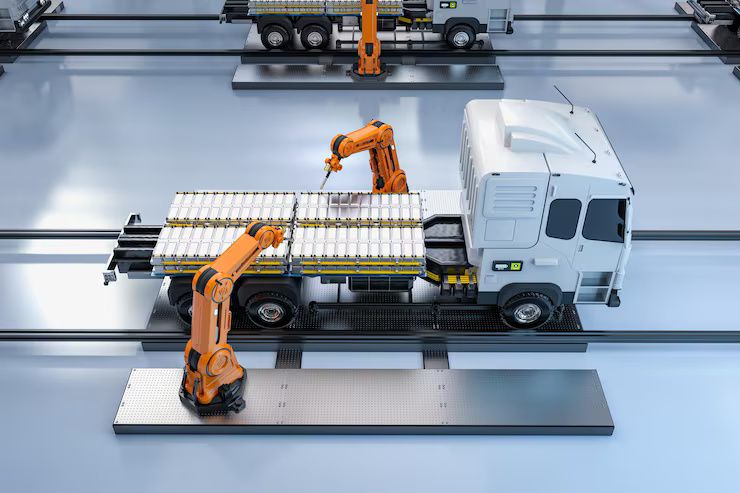
Truck Loading Conveyors provide a practical approach to this challenge by creating a controlled path for moving materials between a facility and a truck. Depending on the application, these systems can handle cartons, packages, bags, parcels, boxes, and other materials while reducing unnecessary manual movement.
A modern Truck Loading Conveyor System can also be integrated with warehouse layouts, sorting equipment, loading docks, and automated material handling technologies. This guide explains how these conveyor systems work, their major types, applications, selection factors, and the role they play in modern material handling.
What Are Truck Loading Conveyors?
Truck Loading Conveyors are material handling systems designed to move goods efficiently between a warehouse, distribution area, production facility, or loading dock and a truck.
Instead of requiring workers to repeatedly carry materials over long distances, the conveyor provides a continuous or controlled movement path. Depending on the design, the conveyor may be fixed, mobile, telescopic, flexible, or adjustable.
The primary purpose is to improve the flow of materials during loading and unloading operations while reducing unnecessary physical handling.
Common materials handled by these systems include:
- Cartons
- Packages
- Boxes
- Bags
- Parcels
- Containers
- General packaged goods
The appropriate conveyor configuration depends on the type of material, truck design, loading frequency, available space, and facility layout.
How a Truck Loading Conveyor System Works
A Truck Loading Conveyor System typically creates a direct material flow between the warehouse and the vehicle.
In a basic operation, materials are placed onto the conveyor at the warehouse or staging area. The conveyor transports them toward the truck, where workers or automated equipment arrange them inside the vehicle.
Some systems use telescopic sections that extend into the truck body. This reduces the distance workers need to walk while positioning materials.
Other configurations may use flexible conveyor sections that can be repositioned according to the truck's location or loading requirements.
The overall process generally involves:
- Material staging
- Conveyor feeding
- Controlled transportation
- Truck loading
- Final arrangement and securing
For unloading operations, the process can be reversed.
Main Types of Truck Loading Conveyors
Different operating environments require different conveyor designs.
Telescopic Conveyors
Telescopic conveyors extend into the truck, allowing materials to travel closer to the final loading position. This design can reduce walking distance and support faster handling in high-volume environments.
Flexible Conveyors
Flexible conveyors can be moved, extended, or repositioned according to changing operational requirements. They are useful in facilities where loading locations vary.
Mobile Conveyors
Mobile units can be relocated between loading areas. Their mobility makes them suitable for operations that handle multiple trucks or use flexible loading arrangements.
Belt Conveyors
Belt-based systems provide continuous movement for cartons, packages, and other products. They are widely used when smooth and consistent material flow is required.
Roller Conveyors
Roller conveyors are suitable for rigid-bottomed cartons, boxes, and containers that can move across rollers with minimal resistance.
Benefits of Truck Loading Conveyor Machines
A Truck Loading Conveyor Machine can provide several operational advantages when appropriately selected and integrated.
Improved Material Flow
Conveyors create a structured movement path, helping reduce interruptions between warehouse staging and truck loading.
Reduced Manual Handling
Workers may spend less time carrying materials over long distances, which can reduce physical strain and improve workplace ergonomics.
Better Loading Consistency
A controlled conveyor flow can help create a more organized loading process, particularly when handling large volumes of similar materials.
Improved Space Utilization
Some conveyor designs can be extended, retracted, or repositioned, helping facilities adapt equipment to available loading space.
Greater Operational Flexibility
Mobile and flexible systems can support different truck sizes, loading bays, and operational layouts.
Applications Across Different Industries
Truck Loading Conveyors are used across many sectors where goods need to move efficiently between facilities and transportation vehicles.
Warehousing and Distribution
Distribution centers often handle large quantities of packages that must be transferred between storage areas and delivery vehicles.
E-Commerce Logistics
E-commerce operations depend on rapid package movement. Conveyor systems can support the organized flow of parcels during outbound and inbound logistics.
Manufacturing
Manufacturing facilities may use conveyors to move finished products from production or storage areas toward transportation vehicles.
Food and Beverage
Packaged food and beverage products can be transferred using suitable conveyor systems designed for the relevant product characteristics and hygiene requirements.
Parcel Handling
Courier and logistics facilities use conveyor technologies to manage high volumes of packages during dispatch and receiving operations.
Selecting the Right Truck Loading Conveyor System
Choosing a conveyor system requires careful evaluation of operational requirements rather than focusing on equipment specifications alone.
Material Characteristics
Consider the size, weight, shape, surface, and packaging of the materials being handled.
A conveyor designed for lightweight cartons may not be suitable for heavier or irregular loads.
Truck Dimensions
The size and configuration of the vehicles being loaded influence the required conveyor length, extension range, and positioning system.
Loading Volume
Facilities handling high material volumes may require continuous conveyor systems with higher throughput capabilities.
Available Space
The physical layout of the loading area affects whether a fixed, mobile, flexible, or telescopic design is appropriate.
Loading Frequency
Operations with frequent truck movements may benefit from systems designed for repeated use and rapid positioning.
Important Features to Consider
A well-designed Truck Loading Conveyor Machine may include several features that support efficient operation.
| Feature | Purpose |
|---|---|
| Telescopic Extension | Reaches deeper into truck bodies |
| Variable Speed Control | Adjusts material movement |
| Mobile Frame | Supports repositioning |
| Adjustable Height | Accommodates different loading levels |
| Emergency Stop | Supports operational safety |
| Protective Guards | Helps protect moving components |
| Control System | Manages conveyor operation |
| Reversible Movement | Supports loading and unloading |
The most suitable features depend on the facility's workflow and material characteristics.
Safety Considerations
Material handling equipment should be designed and operated with appropriate safety practices.
Important considerations include:
- Emergency stop mechanisms
- Guarding around moving components
- Clearly marked operating zones
- Regular equipment inspections
- Proper operator training
- Safe material placement
- Routine maintenance
- Appropriate workplace procedures
Operators should understand how the equipment functions and how to respond to unusual conditions.
Safety planning should also consider interactions between conveyors, forklifts, workers, trucks, and other equipment operating within the loading area.
Maintenance and Operational Reliability
Regular maintenance is essential for keeping conveyor systems functioning consistently.
Maintenance programs may include inspection of:
- Conveyor belts
- Rollers
- Bearings
- Motors
- Drive components
- Electrical connections
- Structural frames
- Safety devices
Cleaning requirements will vary according to the materials handled and the operating environment.
Preventive maintenance can help identify wear before it develops into a more significant operational problem. Keeping maintenance records also supports better planning and equipment management.
The Role of Truck Loading Conveyor Suppliers
Truck Loading Conveyor Suppliers can provide equipment configurations based on specific operational requirements. When evaluating suppliers, organizations should consider factors such as engineering capabilities, equipment compatibility, installation support, maintenance resources, and technical documentation.
It is important to communicate detailed application requirements, including material characteristics, truck dimensions, loading volume, available space, and operating conditions.
A supplier's role may extend beyond providing equipment to include system design, integration, commissioning, and technical support, depending on the project scope.
Automation and Future Trends
Material handling is increasingly influenced by automation and digital technologies.
Modern conveyor systems may be integrated with:
- Warehouse management systems
- Automated sorting equipment
- Barcode scanning
- RFID technologies
- Sensors
- Industrial control systems
- Robotic handling equipment
These technologies can improve visibility and coordination across logistics operations.
Future Truck Loading Conveyor Systems are likely to become more connected, adaptable, and data-driven. Sensors may provide information about equipment performance, while intelligent control systems can coordinate material movement across multiple stages of the logistics process.
The growing adoption of automated warehouses is also encouraging closer integration between conveyors and other material handling technologies.
Common Mistakes to Avoid
Several planning mistakes can reduce the effectiveness of a conveyor installation.
One common issue is selecting equipment without accurately assessing material dimensions and weight. Another is failing to consider future changes in warehouse layouts or vehicle types.
Other mistakes include inadequate safety planning, insufficient maintenance procedures, poor operator training, and ignoring the space required for equipment movement.
A complete assessment of the entire loading workflow can help identify these issues before installation.
Frequently Asked Questions
What are Truck Loading Conveyors?
Truck Loading Conveyors are material handling systems designed to move packaged goods and other materials between facilities and trucks during loading or unloading operations.
What is a Truck Loading Conveyor System used for?
A Truck Loading Conveyor System is used to create a controlled material flow between warehouses, distribution centers, manufacturing facilities, loading docks, and transport vehicles.
Which materials can be handled by truck loading conveyors?
Depending on the conveyor design, systems can handle cartons, boxes, packages, bags, parcels, containers, and other appropriately packaged materials.
How do I choose a Truck Loading Conveyor Machine?
Selection depends on material characteristics, truck dimensions, loading volume, available space, loading frequency, required flexibility, and workplace safety requirements.
What should I consider when evaluating Truck Loading Conveyor Suppliers?
Consider technical expertise, system compatibility, equipment quality, documentation, installation capabilities, maintenance support, and the supplier's understanding of your specific material handling requirements.
Conclusion
Truck Loading Conveyors provide an efficient way to organize the movement of materials between warehouses, production facilities, distribution centers, and transport vehicles. By creating a controlled flow of goods, these systems can reduce unnecessary manual movement, improve loading consistency, and support more organized logistics operations.
The right Truck Loading Conveyor System depends on the materials being handled, truck dimensions, facility layout, operating volume, and safety requirements. From telescopic and flexible designs to mobile and automated systems, different configurations address different operational needs.
As logistics facilities continue to adopt automation and connected technologies, Truck Loading Conveyor Machines are becoming an increasingly integrated part of modern material handling systems. Careful planning, appropriate equipment selection, regular maintenance, and effective safety practices remain essential for building a reliable and productive loading operation.