Water damage can affect a building within minutes, but the resulting problems may continue long after visible water has disappeared.
Water Damage Restoration involves more than removing standing water. It includes identifying the source, drying affected materials, assessing structural conditions, addressing contamination, and restoring spaces to a safe condition.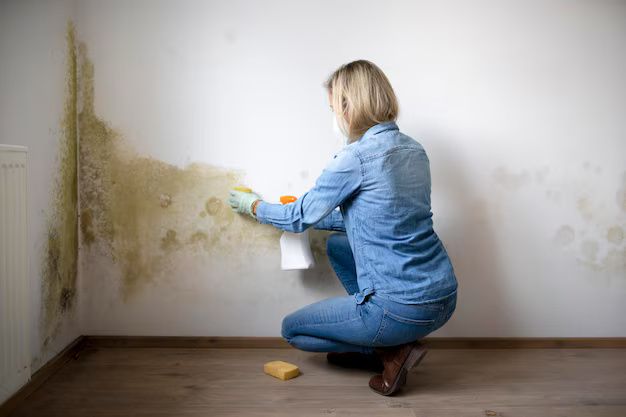
Water can enter a property through several pathways, including burst plumbing, appliance failures, roof leaks, overflowing fixtures, severe weather, and drainage problems. The severity depends on how much water is present, how long materials remain wet, and whether the water contains contaminants.
A well-organized recovery process helps limit secondary damage such as mold growth, material deterioration, odors, and electrical hazards. Understanding the causes, response stages, drying methods, and recovery considerations gives property owners and building occupants a clearer picture of what effective restoration involves.
Common Causes of Water Damage
Water damage can originate from both sudden incidents and gradual problems. Plumbing failures are among the most common sources, particularly when supply lines, drainage pipes, water heaters, or household fixtures develop leaks.
Weather-related events can create a different pattern of damage. Heavy rainfall, flooding, roof failures, and inadequate drainage may allow large quantities of water to enter buildings. Basement areas and ground-level rooms can be particularly vulnerable when exterior water cannot drain away effectively.
Appliances can also contribute to unexpected water intrusion. Washing machines, dishwashers, refrigerators, and water heaters contain connections that can fail or deteriorate over time. Even a relatively small leak can become significant if it remains unnoticed.
Poor ventilation and persistent moisture can create another category of concern. While condensation is not the same as a major water intrusion, repeated moisture exposure can damage finishes and create conditions favorable to microbial growth.
Why Early Water Removal Matters
The longer building materials remain saturated, the greater the potential for deterioration. Wood can swell or deform, drywall may lose its structural integrity, flooring can separate, and insulation can retain moisture for extended periods.
Water can also migrate beyond the location where it first becomes visible. It may travel underneath flooring, through wall cavities, beneath cabinets, or into insulation. This makes surface-level drying alone unreliable in some situations.
Early assessment helps determine how far the moisture has spread and which materials require attention. Moisture meters, thermal imaging equipment, and visual inspection can help identify areas that are not obvious from the surface.
The Main Stages of Water Damage Restoration
Although individual situations differ, professional restoration generally follows a logical sequence. The process begins with identifying the source and evaluating the affected areas.
Inspection and Moisture Assessment
The first stage involves determining where water originated, how extensively it has spread, and which materials have been affected. Technicians may inspect floors, walls, ceilings, cabinetry, insulation, and structural components.
Water classification also matters. Clean water from a controlled source presents different concerns from water containing sewage, chemicals, or other contaminants. The condition of the water influences handling procedures and decisions about affected materials.
Water Extraction
Standing water is removed using appropriate extraction equipment. Depending on the situation, this can include pumps, wet vacuums, and specialized extraction systems.
Removing visible water is only the beginning. Materials can continue releasing retained moisture after extraction, so subsequent drying is necessary to reduce the likelihood of hidden damage.
Drying and Dehumidification
Air movement and dehumidification help remove moisture from surfaces and the surrounding environment. Air movers encourage evaporation, while dehumidifiers collect moisture from the air.
Drying strategies depend on the material and environment. Wood, concrete, drywall, carpeting, and insulation all behave differently when exposed to moisture. Monitoring conditions during drying helps determine whether moisture levels are returning to appropriate ranges.
Cleaning and Sanitization
Water intrusion can leave behind dirt, debris, microorganisms, and unpleasant odors. Cleaning requirements depend heavily on the source and quality of the water.
Affected surfaces may require cleaning and sanitization before restoration work continues. Materials that cannot be adequately cleaned or safely dried may need to be removed according to appropriate handling procedures.
Restoration and Repair
The final stage addresses damaged building materials and finishes. Depending on the severity, restoration may involve replacing drywall, repairing flooring, repainting surfaces, restoring cabinetry, or addressing damaged structural components.
The objective is to return the affected area to its previous functional condition while ensuring that moisture-related problems have been properly addressed.
Materials That Require Special Attention
Different construction materials respond differently to prolonged moisture exposure. Porous materials such as drywall, insulation, carpeting, and some types of wood products can absorb significant amounts of water.
Hard surfaces such as tile, metal, and certain finished materials may be easier to clean and dry, although moisture trapped beneath them can still create problems.
Wood deserves particular attention because prolonged exposure can cause swelling, warping, splitting, or deterioration. Structural wood should be evaluated carefully when substantial water intrusion has occurred.
Flooring systems also require detailed assessment. Water may move beneath laminate, vinyl, hardwood, or carpet assemblies, making the visible surface an incomplete indicator of the actual moisture condition.
Mold Prevention During Recovery
Mold can develop when moisture remains present for an extended period. Preventing excessive moisture retention is therefore a central part of recovery.
Drying affected materials promptly, improving air circulation, and controlling indoor humidity can help reduce favorable conditions for mold growth. Areas that remain damp despite surface drying should receive additional investigation.
If visible mold or extensive microbial contamination is present, the situation may require specialized assessment and controlled remediation practices rather than ordinary cleaning.
Electrical and Structural Safety Considerations
Water and electricity create a serious safety hazard. Electrical equipment, outlets, wiring, appliances, and electrical panels that have been exposed to water should not be handled casually.
Structural concerns can also arise when water affects ceilings, floors, walls, or load-bearing components. Sagging materials, significant swelling, cracks, or unusual movement may indicate conditions that require professional evaluation.
Occupants should avoid entering areas that may contain electrical hazards or compromised structural elements until they have been assessed appropriately.
Factors That Influence the Recovery Process
No two water damage situations are identical. The recovery approach depends on several factors, including the source of water, affected area, duration of exposure, building materials, temperature, ventilation, and extent of contamination.
The location of the damage also matters. A small leak inside a wall can be more difficult to identify and dry than visible standing water in an open room.
Documentation can support an organized recovery process. Photographs, moisture readings, affected-material records, and repair documentation can help establish what occurred and what actions were taken.
Long-Term Prevention and Maintenance
Recovery should also provide an opportunity to identify conditions that could contribute to future water intrusion. Regular inspection of plumbing connections, roof systems, gutters, drainage pathways, appliances, and exterior seals can help identify developing problems.
Maintaining appropriate indoor humidity and ensuring adequate ventilation can further reduce moisture-related concerns. Buildings with basements or areas vulnerable to flooding may also benefit from drainage improvements and appropriate water-management systems.
Conclusion
Effective Water Damage Restoration combines rapid water removal, detailed moisture assessment, controlled drying, appropriate cleaning, safety evaluation, and targeted repairs. The visible water is only one part of the problem; hidden moisture and contaminated materials can continue affecting a building if they are overlooked.
Understanding the recovery process helps property occupants recognize why timely assessment and systematic drying matter. A thorough approach can reduce secondary damage, support healthier indoor conditions, and help restore affected spaces to a stable and functional state.