
Water treatment equipment includes machines and systems that improve water quality for industrial processes. These systems remove unwanted particles, minerals, microorganisms, and other impurities so water can be used safely and efficiently in manufacturing, energy production, food processing, chemical production, and many other industries.
Industrial water processing has developed alongside modern manufacturing. As factories grew larger and production methods became more advanced, the need for consistent water quality also increased. Different industries require different water standards, making water treatment equipment an important part of many industrial facilities.
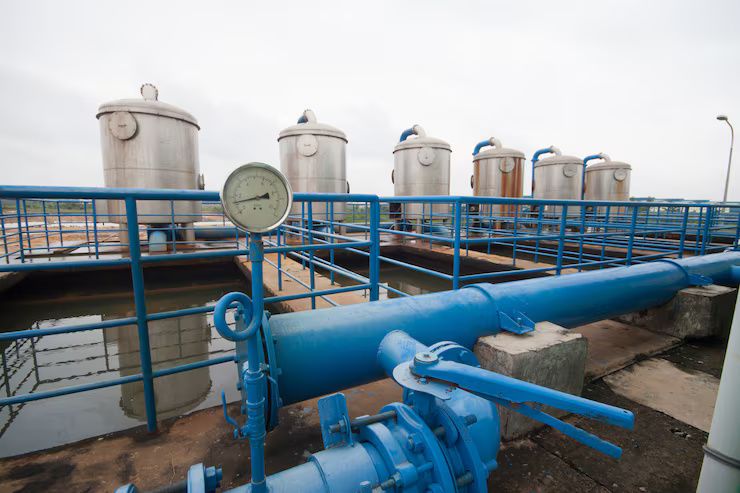
Water can contain suspended solids, dissolved minerals, organic matter, bacteria, or chemical compounds. Depending on the intended use, various treatment methods work together to improve water quality before it enters industrial equipment or before treated water returns to the environment.
Modern industrial water processing often combines several technologies into one integrated system. This approach allows facilities to address multiple water quality concerns while supporting efficient daily operations.
Common Types of Water Treatment Equipment
Different applications require different treatment methods. Some of the most common equipment includes:
- Sediment filters for removing larger particles.
- Activated carbon filters for reducing chlorine, odors, and organic compounds.
- Reverse osmosis systems for reducing dissolved salts and minerals.
- Water softeners for lowering hardness caused by calcium and magnesium.
- Ultraviolet (UV) disinfection units for reducing microorganisms.
- Membrane filtration systems for separating fine contaminants.
- Clarifiers for removing suspended solids.
- Industrial pumps for moving water through treatment stages.
- Chemical dosing systems for controlled treatment processes.
- Monitoring sensors that measure water quality throughout the system.
Typical Industrial Applications
Water treatment equipment supports many industries, including:
| Industry | Common Purpose |
|---|---|
| Manufacturing | Process water and equipment cooling |
| Food processing | Cleaning and production operations |
| Power generation | Boiler feedwater and cooling systems |
| Pharmaceuticals | High-purity processing water |
| Mining | Process water recycling |
| Textile production | Dyeing and washing operations |
| Electronics manufacturing | High-purity water preparation |
Importance
Supporting Reliable Industrial Operations
Water plays a central role in many industrial activities. Poor water quality can reduce equipment efficiency, increase maintenance needs, and affect production processes. Industrial water processing helps maintain stable operating conditions by supplying water that matches the needs of specific equipment.
For example, untreated hard water may create mineral deposits inside boilers or heat exchangers. Proper treatment reduces these deposits, allowing equipment to operate more efficiently over longer periods.
Protecting Industrial Equipment
Many industrial machines depend on clean water for cooling, washing, or manufacturing processes. Water treatment equipment helps reduce problems associated with corrosion, scaling, and contamination.
Important advantages include:
- Reduced mineral buildup.
- Improved cooling performance.
- Lower corrosion risk.
- Better process consistency.
- Extended equipment lifespan.
- Improved water reuse opportunities.
Supporting Environmental Management
Industrial facilities increasingly focus on reducing water consumption and improving wastewater management. Water treatment equipment helps clean process water so it can often be reused in suitable applications, reducing overall freshwater demand.
Proper treatment before discharge also supports environmental protection by reducing pollutants released into rivers, lakes, or other receiving waters.
Everyday Impact
Although industrial water processing operates behind the scenes, it supports products people use every day. Clean process water contributes to the production of food, paper, electronics, building materials, textiles, automotive components, and many household items.
Recent Updates
Smarter Monitoring Systems
Current industrial water processing increasingly uses digital monitoring technologies. Sensors continuously measure water quality indicators such as pH, conductivity, turbidity, and flow rates. These systems allow operators to identify changes more quickly and respond before problems become larger.
Greater Water Reuse
Many industries are expanding water recycling programs. Improved membrane filtration and advanced treatment technologies make it possible to reuse treated water in suitable industrial processes, helping reduce overall water consumption.
Energy-Efficient Equipment
Manufacturers continue developing pumps, motors, membranes, and filtration systems that require less energy while maintaining treatment performance. Energy efficiency has become an important consideration during equipment selection.
Automation and Remote Operation
Automation continues to become more common across industrial facilities. Programmable control systems can automatically adjust treatment settings based on changing water quality conditions, reducing manual intervention while improving consistency.
Advanced Membrane Technologies
Membrane filtration continues to evolve with improved durability and better resistance to fouling. These developments support longer operating periods between maintenance activities and improve overall treatment efficiency.
Laws or Policies
Water Quality Regulations
Industrial water processing is influenced by environmental regulations that establish water quality standards before treated water enters natural water bodies. These regulations vary by country but generally focus on protecting public health and ecosystems.
India
In India, industrial water management is guided through environmental legislation and regulatory authorities. Water discharge standards are administered through pollution control agencies that establish limits for various industrial sectors. Facilities are expected to monitor water quality and maintain appropriate treatment systems before wastewater discharge.
Water Conservation Programs
Government programs increasingly encourage efficient water use across industrial sectors. Many initiatives promote water recycling, improved treatment technologies, and responsible management of freshwater resources.
Workplace Safety
Industrial facilities also follow safety requirements covering equipment operation, chemical handling, pressure systems, electrical components, and routine maintenance activities associated with water treatment equipment.
Tools and Resources
Several digital tools help engineers, operators, and facility managers understand industrial water processing systems.
Useful resources include:
- Water quality calculators for hardness, conductivity, and flow measurements.
- Reverse osmosis design calculators that estimate membrane performance.
- Pump sizing calculators for selecting suitable pumping capacity.
- Pipe flow calculators that estimate pressure losses.
- Water chemistry software for analyzing treatment conditions.
- Digital maintenance management platforms for scheduling inspections.
- Government environmental portals that publish water quality guidance.
- Equipment monitoring dashboards that display sensor information.
- Industrial engineering templates for recording inspection results.
- Water testing laboratories that analyze water samples for industrial applications.
These resources support planning, monitoring, and ongoing system management across different industries.
FAQs
What is water treatment equipment used for in industrial water processing?
Water treatment equipment removes unwanted particles, minerals, microorganisms, and other contaminants so water meets the requirements of industrial manufacturing, cooling, cleaning, or production processes.
Which industries commonly use water treatment equipment?
Manufacturing, food processing, power generation, mining, pharmaceuticals, electronics, chemical production, and textile manufacturing all use industrial water processing systems to maintain suitable water quality.
How does reverse osmosis support industrial water processing?
Reverse osmosis uses a specialized membrane that removes many dissolved minerals and impurities from water. It is commonly used when industries require higher-purity water for sensitive equipment or production processes.
Why is industrial water processing important for equipment?
Properly treated water helps reduce scaling, corrosion, and contamination inside industrial equipment. This supports stable operation and helps maintain equipment performance over time.
Can treated industrial water be reused?
In many situations, treated water can be reused for selected industrial activities after appropriate processing. The suitability depends on water quality requirements and the intended application.
Conclusion
Water treatment equipment plays an important role in industrial water processing by improving water quality for manufacturing, cooling, cleaning, and many other applications. Modern treatment systems combine filtration, membrane technologies, monitoring equipment, and automated controls to address a wide range of water quality challenges. Current industry trends continue to focus on efficient water use, digital monitoring, and improved recycling practices. As industrial processes evolve, reliable water treatment remains an important part of responsible resource management.